A Natural Solution for California's Herds: African Catfish Peptides

California's cattle producers and agricultural communities are all too familiar with the rising challenge of antibiotic resistance, making common bacterial infections harder to treat in livestock. But imagine a future where we could tackle these infections with a natural, powerful alternative. Our research points to just that: antimicrobial peptides (AMPs) found in African catfish.

We're really excited about these peptides because African catfish thrive in pathogen-rich freshwater, naturally producing these robust immune compounds in their skin mucus as a defense. This natural origin makes them highly appealing alternatives to synthetic drugs.

Predicted Safety and Potent Action

One of the most compelling aspects of these AMPs is their predicted safety for mammals. Our initial computer analyses suggest that various catfish AMPs are generally recognized as safe (GRAS). We predict they'll be absorbed in the human intestine without causing liver, brain, or heart toxicity. Furthermore, lab tests on a promising peptide, NACAP-II, confirmed it was non-hemolytic, meaning it didn't damage rabbit red blood cells—a strong indicator of its potential safety for mammalian cells.

Beyond safety, these peptides demonstrate effectiveness against problematic bacteria. One study revealed NACAP-II's strong activity against Extended-Spectrum Beta-Lactamase (ESBL)-producing Escherichia coli—a critical concern for both animal and human health due to its resistance to many common antibiotics. Another peptide, ACAP-IV, also showed antibacterial activity against E. coli and Staphylococcus aureus. We believe these AMPs work by directly disrupting bacterial cell membranes, a mechanism that makes it harder for bacteria to develop resistance compared to how they resist traditional antibiotics.
Primary Image
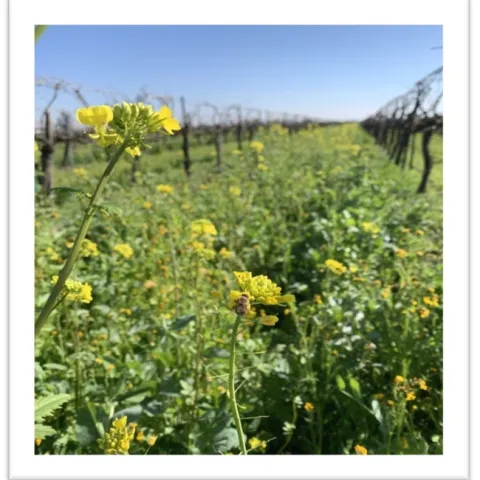
Figure 1: Happy bees and the cover crops. Photo by Samikshya Budhathoki.
Climate Smart Agriculture: Article

Grower Profile #5: Steven Cardoza, Fresno California

June 10, 2021
By Kristian M Salgado-Jacobo
Steven Cardoza farms 300 acres of organic raisin grapes with his father in Fresno County, California. He met with us recently to share his experiences with cover cropping and more broadly, his transition towards regenerative agriculture.
View Article
ANR Adventures: Article

On Fire

June 9, 2021
By Wendy Powers
Wildfire activity is picking up across the state and this wind isn't helping. It is no surprise that wildfire is the topic of webinars around the state. Word is that Lenya was an incredible speaker for the federal UC Wildfire Briefing.
View Article
Primary Image
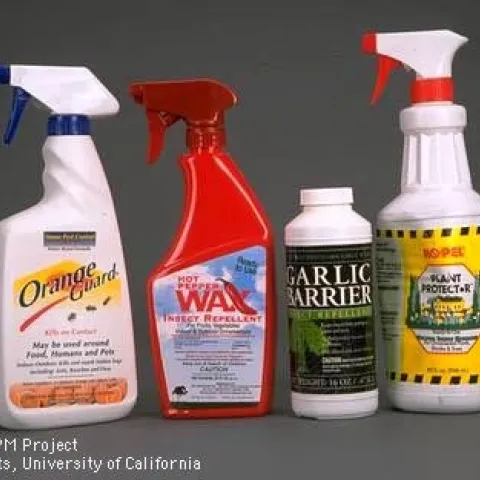
Four different pesticides lined up.
UC Master Gardener Program Statewide Blog: Article

The Dangers of Homemade Pest Control Remedies

June 9, 2021
Instructions for making homemade mixtures to control pests are easy to find online and in social media, and it's tempting to make your own home remedy when pests invade.
View Article
Primary Image
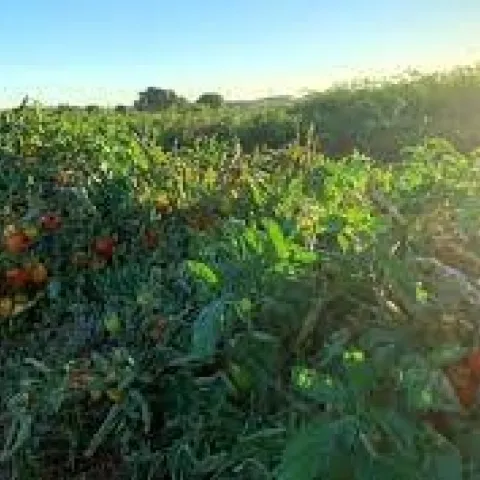
tomato images
Topics in Subtropics: Article

A Drought Tolerant Avocado?

June 9, 2021
By Ben A Faber
University of California scientists have discovered genetic data that will help food crops like tomatoes and rice survive longer, more intense periods of drought on our warming planet.
View Article
Primary Image
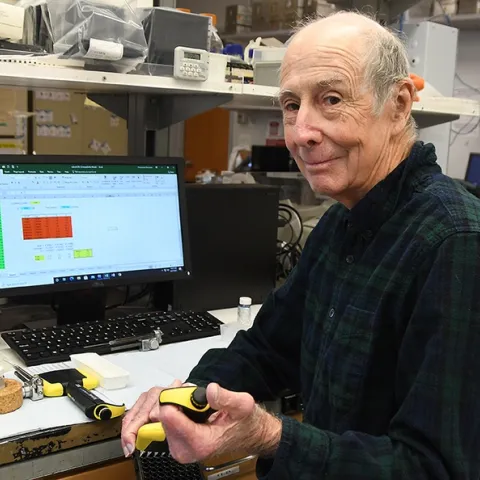
UC Davis distinguished professor Bruce Hammock is known for his expertise in chemistry, toxicology, biochemistry and entomology. (Photo by Kathy Keatley Garvey
Bug Squad: Article

These Scientists Do UC Davis Proud

June 8, 2021
By Kathy Keatley Garvey
Congratulations to the three UC Davis scientists who are sharing the Royal Society of Chemistry's Horizon Team Award for their click-chemistry work that advances chemistry and pushes the boundaries of sciences. They do UC Davis proud. Very proud.
View Article