A Natural Solution for California's Herds: African Catfish Peptides

California's cattle producers and agricultural communities are all too familiar with the rising challenge of antibiotic resistance, making common bacterial infections harder to treat in livestock. But imagine a future where we could tackle these infections with a natural, powerful alternative. Our research points to just that: antimicrobial peptides (AMPs) found in African catfish.

We're really excited about these peptides because African catfish thrive in pathogen-rich freshwater, naturally producing these robust immune compounds in their skin mucus as a defense. This natural origin makes them highly appealing alternatives to synthetic drugs.

Predicted Safety and Potent Action

One of the most compelling aspects of these AMPs is their predicted safety for mammals. Our initial computer analyses suggest that various catfish AMPs are generally recognized as safe (GRAS). We predict they'll be absorbed in the human intestine without causing liver, brain, or heart toxicity. Furthermore, lab tests on a promising peptide, NACAP-II, confirmed it was non-hemolytic, meaning it didn't damage rabbit red blood cells—a strong indicator of its potential safety for mammalian cells.

Beyond safety, these peptides demonstrate effectiveness against problematic bacteria. One study revealed NACAP-II's strong activity against Extended-Spectrum Beta-Lactamase (ESBL)-producing Escherichia coli—a critical concern for both animal and human health due to its resistance to many common antibiotics. Another peptide, ACAP-IV, also showed antibacterial activity against E. coli and Staphylococcus aureus. We believe these AMPs work by directly disrupting bacterial cell membranes, a mechanism that makes it harder for bacteria to develop resistance compared to how they resist traditional antibiotics.
Primary Image
photo by Erin Mahaney
Under the Solano Sun: Article

Mockingbirds in the Tomato Bed

November 5, 2020
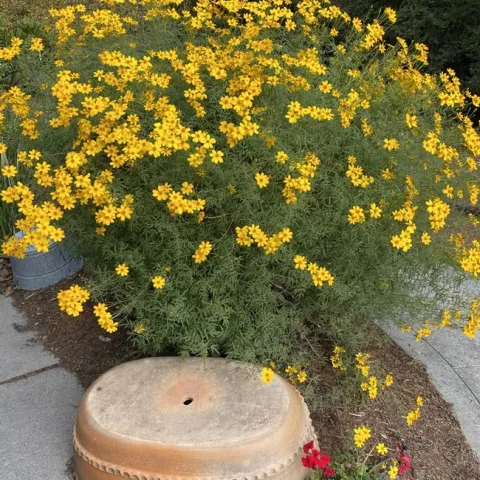
I don't know why I never thought about it before, but I just realized that birds like tomatoes! This is probably not a newsflash to most backyard gardeners, but I never knew until I watched a mockingbird happily devouring my Sungold cherry tomatoes today.
View Article
Primary Image
Go Steelers! Thanks for supporting vote counters in Pennsylvania.
ANR Adventures: Article

It's not over, yet!

November 4, 2020
By Wendy Powers
Anyone anxious this week? And it's not over, yet. My Pollyanna voice says that while the country is divided, no one is on the short end of a landslide. Some important firsts' took place across the country (NY, DE, NM), too, suggesting changing times. An interesting week, indeed.
View Article
Colusa County: Article

Nitrogen Mgmt in Small Grains Webinar November 6th

November 4, 2020
Nitrogen Management in Small Grains Webinar Join UCCE's Grain Cropping Systems Specialist, Mark Lundy next week (11 a.m. on November 6th, 2020) for a presentation on nitrogen management in California Small Grains (hosted by the California Wheat Commission and Golden State Grains). Dr.
View Article
Primary Image
Bouverie Reserve with burn pile grazing cows. Photo credit: Sasha Berleman
Outstanding in the Field: Views from North Coast Rangeland: Article

Seeding Rangelands After Fire

November 4, 2020
By Stephanie R Larson
Valuable forage for livestock and wildlife is often lost on rangelands after wildfires.
View Article
Article

UCOP Prop. 16 statement

November 4, 2020
By Pamela S Kan-Rice
Dear Colleagues, Please read the statement below from UC Office of the President about the defeat of Proposition 16, which would have reinstated affirmative action for public higher education.
View Article