A Natural Solution for California's Herds: African Catfish Peptides

California's cattle producers and agricultural communities are all too familiar with the rising challenge of antibiotic resistance, making common bacterial infections harder to treat in livestock. But imagine a future where we could tackle these infections with a natural, powerful alternative. Our research points to just that: antimicrobial peptides (AMPs) found in African catfish.

We're really excited about these peptides because African catfish thrive in pathogen-rich freshwater, naturally producing these robust immune compounds in their skin mucus as a defense. This natural origin makes them highly appealing alternatives to synthetic drugs.

Predicted Safety and Potent Action

One of the most compelling aspects of these AMPs is their predicted safety for mammals. Our initial computer analyses suggest that various catfish AMPs are generally recognized as safe (GRAS). We predict they'll be absorbed in the human intestine without causing liver, brain, or heart toxicity. Furthermore, lab tests on a promising peptide, NACAP-II, confirmed it was non-hemolytic, meaning it didn't damage rabbit red blood cells—a strong indicator of its potential safety for mammalian cells.

Beyond safety, these peptides demonstrate effectiveness against problematic bacteria. One study revealed NACAP-II's strong activity against Extended-Spectrum Beta-Lactamase (ESBL)-producing Escherichia coli—a critical concern for both animal and human health due to its resistance to many common antibiotics. Another peptide, ACAP-IV, also showed antibacterial activity against E. coli and Staphylococcus aureus. We believe these AMPs work by directly disrupting bacterial cell membranes, a mechanism that makes it harder for bacteria to develop resistance compared to how they resist traditional antibiotics.
UC Oaks: Article

Brown Oak Trees Dot California’s Landscape

September 8, 2025
By Michael Jones
by Bob Logan and Doug McCrearyOaks ‘n Folks – Volume 2, Issue 2 – November, 1987IntroductionDuring August 1987, an unusual phenomenon occurred in California. Many oak trees began turning brown and started dropping their leaves. While most of the trees affected were deciduous species that normally do lose…
View Article
UC Oaks: Article

Sudden Oak Death Update, California Aerial Survey

September 8, 2025
By Michael Jones
by Lisa FisherOaks ‘n Folks – Volume 20, Issue 1 – January 2004The USDA Forest Service and California Polytechnic University, San Luis Obispo are currently cooperating on a broad-scale aerial survey to locate new areas with infestations of Sudden Oak Death (SOD). The objectives of the aerial survey were to…
View Article
UC Oaks: Article

Community Involvement Needed in Monitoring Sudden Oak Death in California

September 8, 2025
By Michael Jones
by Nina Maggi KellyOaks ‘n Folks – Volume 17, Issue 1 – February 2001IntroductionTanoak (Lithocarpus densiflorus), coast live oak (Quercus agrifolia) and black oak (Quercus kelloggii) trees are distributed along 1,500 miles of the California and Oregon coast. In 1995, tanoak trees began dying in large…
View Article
UC Oaks: Article

Sudden Oak Death Threatens Coastal Oak Forests

September 8, 2025
By Michael Jones
by Doug McCrearyOaks ‘n Folks – Volume 17, Issue 1 – February 2001As reported in two previous issues of Oaks ’n Folks (August 1999 and March 2000), a new type of mortality in tanoaks (Lithocarpus densiflorus) was first observed in Marin County in 1995. Since those first sightings by University of California…
View Article
UC Oaks: Article

Feral Pigs and Oak Woodland Vegetation

September 8, 2025
By Michael Jones
by Barbara Allen-Diaz, James Bartolome, Jim Robbins, and Pete van HoornOaks ‘n Folks – Volume 16, Issue 2 – August 2000In the late Pleistocene, California was home to a diverse suite of large vertebrates, including digging and rooting animals like the peccary and grizzly bear. These two species, along…
View Article
UC Oaks: Article

UC Response to Tanoak Sudden Death/Live Oak Mortality

September 8, 2025
By Michael Jones
Oaks ‘n Folks – Volume 15, Issue 1 – March 2000The University of California Division of Agriculture and Natural Resources (DANR) awarded $47,000 in temporary funds to the Integrated Hardwood Range Management Program (IHRMP) to address the widespread concerns arising from unexplained mortality of tanoak and…
View Article
UC Oaks: Article

Tanoak and Coast Live Oak Under Attack

September 8, 2025
By Michael Jones
by Pavel SvihraOaks ‘n Folks – Volume 14, Issue 2 – August 1999Tanoak (Liuthocarpus densiflorus)and coast live oak (Quercus agrifolia)distribution stretches more than 1,500 miles along the California and Oregon coasts. Coastal forests are not monocultures but rather full grown islands of different species…
View Article
Event Primary Image
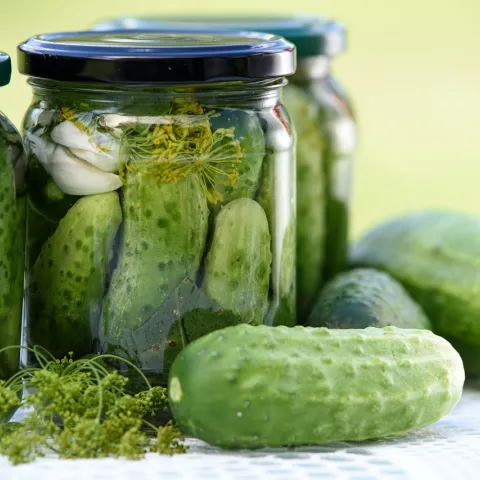
pickled cucumbers
UC Master Food Preserver Program of Orange County: Event

Public Class: Get Your Brine On! Fermentation Fun with Sauerkraut & Dill Pickles

Event Date
Oct 14, 2025

Discover the crunchy, tangy world of fermentation!  Brined pickles and sauerkraut bring a tangy crunch that brightens any meal. Pickling is a time-honored preservation method found in cuisines worldwide. Join the UCCE Orange County Master Food Preservers for a hands-on workshop where you'll learn the…
UC Master Food Preserver Program of Orange County
View Event