A Natural Solution for California's Herds: African Catfish Peptides

California's cattle producers and agricultural communities are all too familiar with the rising challenge of antibiotic resistance, making common bacterial infections harder to treat in livestock. But imagine a future where we could tackle these infections with a natural, powerful alternative. Our research points to just that: antimicrobial peptides (AMPs) found in African catfish.

We're really excited about these peptides because African catfish thrive in pathogen-rich freshwater, naturally producing these robust immune compounds in their skin mucus as a defense. This natural origin makes them highly appealing alternatives to synthetic drugs.

Predicted Safety and Potent Action

One of the most compelling aspects of these AMPs is their predicted safety for mammals. Our initial computer analyses suggest that various catfish AMPs are generally recognized as safe (GRAS). We predict they'll be absorbed in the human intestine without causing liver, brain, or heart toxicity. Furthermore, lab tests on a promising peptide, NACAP-II, confirmed it was non-hemolytic, meaning it didn't damage rabbit red blood cells—a strong indicator of its potential safety for mammalian cells.

Beyond safety, these peptides demonstrate effectiveness against problematic bacteria. One study revealed NACAP-II's strong activity against Extended-Spectrum Beta-Lactamase (ESBL)-producing Escherichia coli—a critical concern for both animal and human health due to its resistance to many common antibiotics. Another peptide, ACAP-IV, also showed antibacterial activity against E. coli and Staphylococcus aureus. We believe these AMPs work by directly disrupting bacterial cell membranes, a mechanism that makes it harder for bacteria to develop resistance compared to how they resist traditional antibiotics.
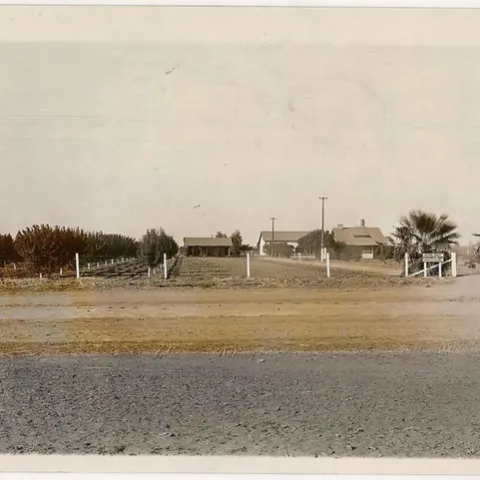
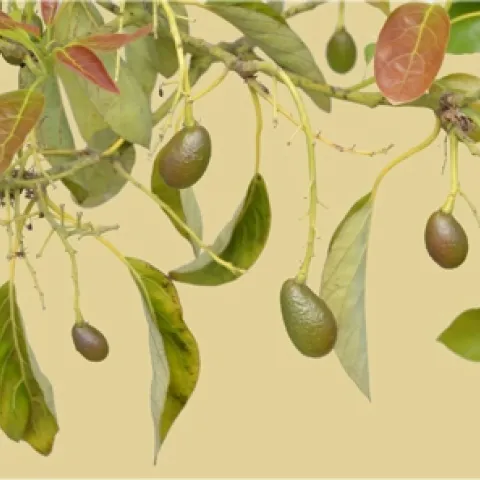
Subtropical Fruit Crops Research & Education: Article

Spring 2020

June 16, 2020
Click here to read this issue of the Topics in Subtropics newsletter...
View Article
Article

Listen Up To "Kids Summer Gardening Projects" on In The Garden Radio

June 15, 2020
This week on In the Garden with UC Master Gardeners, UC Master Gardener and KUCI Staff Host Sally Richards will interview fellow MGs Debra Koskof and Deb Ringler to let you know ways to lure your kids away from the electronics and get them out into the garden! This show compliments another show we a...
View Article
Primary Image
Artichokes ready for harvest
The Coastal Gardener : Article

Artichoke Patties

June 15, 2020
By Sherida J Phibbs
First grow more artichokes than you and your neighbors can eat! No, really, this is where the story of our friend Dick (1921-2003) comes in; Dick was born and raised in San Francisco just off Broadway and Columbus and was a fine cook.
View Article
Primary Image
Rose with gylphosate damage
The Coastal Gardener : Article

What is Wrong with My Rose?

June 15, 2020
By Sherida J Phibbs
What's wrong with my rose?! There is a section of this rose bush where the new spring leaves are small, yellowed and odd shaped. The shoots are stunted and narrow. Also, malformed flower buds are present. This is a typical symptom of phytotoxicity.
View Article
Fresno County 4-H: Article

June 2020 Guidelines

June 15, 2020
In This Edition: Fresno County 4-H Leaders Council & Committee Meetings, Pg. 2 Leaders Council, Pg. 2 CCLS (Community Club Leaders) - Need to Know!, Pg. 2 Community Club Leader Year-End Reminders, Pg. 3 County 4-H Office Temporary Closed, Pg.
View Article
Primary Image
Wild turkeys. Photo: Pixabay
The Leaflet: Article

Wild Turkeys: Pest or part of the Marin landscape?

June 15, 2020
If you lived in Marin prior to 1988 you remember a time when the only turkeys you saw were at the grocery store. This is because, in 1988, the California Department of Fish and Wildlife introduced wild turkeys onto Loma Alta hill on the west side of Lucas Valley.
View Article
Livestock, Range and Natural Resources: Article

Early Summer 2020

June 15, 2020
Updates on recent past webinars, and other online resources that are currently available or coming soon, such as: Prescribed Fire Sheep and Cattle Markets (online presentations June 16 and June 17) Survey about impacts of COVID-19 Download the PDF to read more!...
View Article