A Natural Solution for California's Herds: African Catfish Peptides

California's cattle producers and agricultural communities are all too familiar with the rising challenge of antibiotic resistance, making common bacterial infections harder to treat in livestock. But imagine a future where we could tackle these infections with a natural, powerful alternative. Our research points to just that: antimicrobial peptides (AMPs) found in African catfish.

We're really excited about these peptides because African catfish thrive in pathogen-rich freshwater, naturally producing these robust immune compounds in their skin mucus as a defense. This natural origin makes them highly appealing alternatives to synthetic drugs.

Predicted Safety and Potent Action

One of the most compelling aspects of these AMPs is their predicted safety for mammals. Our initial computer analyses suggest that various catfish AMPs are generally recognized as safe (GRAS). We predict they'll be absorbed in the human intestine without causing liver, brain, or heart toxicity. Furthermore, lab tests on a promising peptide, NACAP-II, confirmed it was non-hemolytic, meaning it didn't damage rabbit red blood cells—a strong indicator of its potential safety for mammalian cells.

Beyond safety, these peptides demonstrate effectiveness against problematic bacteria. One study revealed NACAP-II's strong activity against Extended-Spectrum Beta-Lactamase (ESBL)-producing Escherichia coli—a critical concern for both animal and human health due to its resistance to many common antibiotics. Another peptide, ACAP-IV, also showed antibacterial activity against E. coli and Staphylococcus aureus. We believe these AMPs work by directly disrupting bacterial cell membranes, a mechanism that makes it harder for bacteria to develop resistance compared to how they resist traditional antibiotics.
Primary Image
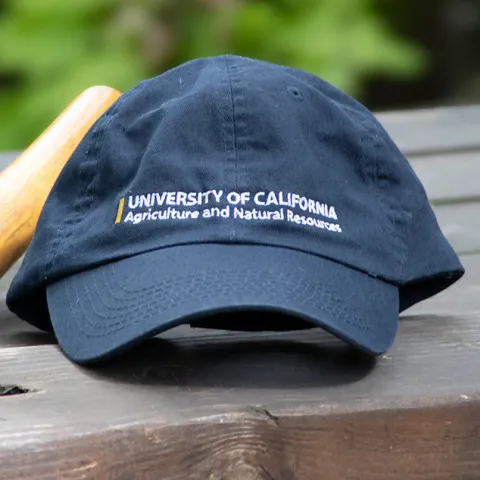
UCANR Hat and shears laying on a wood table
UC Master Gardener Program Statewide Blog: Article

Welcome! New 2025 UC Master Volunteers

September 3, 2025
By Kristian M Salgado-Jacobo
Volunteering or simply lending a hand to the community is an act of kindness that ripples outward, creating a lasting positive impact. In the UC Master Gardener Program, we say, 'volunteers are the heart of the program,' and it’s true—across California’s 53 counties, the passion and dedication of UC Master…
View Article
Primary Image
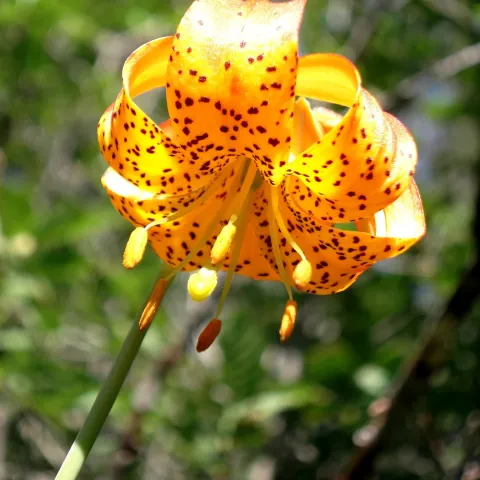
Leopard lily. Brent McGhie
The Real Dirt: Article

Native Spring-Blooming Bulbs

September 3, 2025
In late summer bulbs of daffodils and tulips start appearing in garden stores. Everyone enjoys the lovely display they make in spring. But do you know that there are native spring-blooming bulbs that will also look beautiful in your garden? You may have seen blue dicks (scientific name Dichelostemma capitata…
View Article
Nutrition Policy Institute News: Article

2025 LEAP Awards recognize excellence in healthy eating and active living across California

September 3, 2025
By Carolyn D Rider, Summer J Cortez
The Nutrition Policy Institute’s CalFresh Healthy Living Evaluation team, in collaboration with the California Department of Public Health, is thrilled to announce recognition of 123 schools, 85 out-of-school time programs, and 106 early care and education programs across California as recipients of the 2025…
View Article
Primary Image
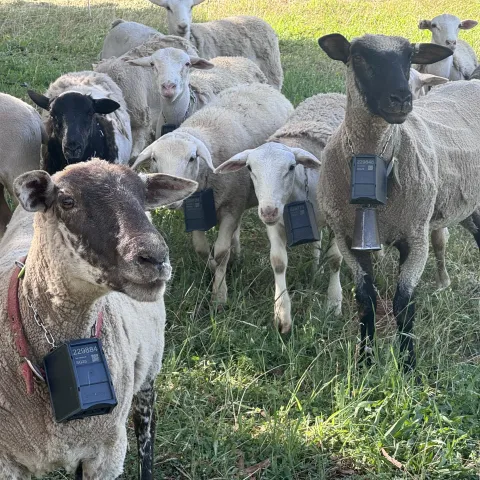
Sheep grazing with virtual fence technology
Ranching in the Sierra Foothills: Article

Four Legged Fuel Reduction

September 3, 2025
By Daniel K Macon
My Four-Legged Fuel Reduction Strategy When I took this job as the UC Cooperative Extension Livestock and Natural Resources Advisor for the Central Sierra Multi-County Partnership, I purchased a home on six acres between the Calaveras County communities of Mountain Ranch and Railroad Flat. My home sits…
View Article
The Savvy Sage: Article

Ask a Master Gardener

September 3, 2025
By Deborah Cunningham
This series provides answers to selected questions recently submitted to the UC Master Gardeners of Yolo County Help Desk. Question: My cantaloupe and green bean plants are being eaten down to the ground by a pest. Any suggestions on a pesticide to use?Answer: Before you can determine the best way to…
View Article
Event Primary Image
WANB logo white background
Grown in Marin: Event

Virtual Employer Info Session

Event Date
Sep 11, 2025

Join Marin County Supervisor Dennis Rodoni’s Office, County of Marin, West Marin Fund, and the Workforce Alliance of the North Bay (WANB) for a virtual session to explore workforce resources for local employers.This session is open to all local employers—businesses, nonprofits, independent contractors, and…
Grown in Marin
View Event
Event Primary Image
Learn how to make a succulent wreath for winter
UC Master Gardener Program of Sonoma County: Event

Create a Winter Succulent Wreath

Event Date
Nov 15, 2025

 Learn about succulents and make a beautiful wreath. Instructions and all materials are provided by UC Master Gardeners. The $75 fee includes instructions and all materials. Registration required.
UC Master Gardener Program of Sonoma County
View Event