A Natural Solution for California's Herds: African Catfish Peptides

California's cattle producers and agricultural communities are all too familiar with the rising challenge of antibiotic resistance, making common bacterial infections harder to treat in livestock. But imagine a future where we could tackle these infections with a natural, powerful alternative. Our research points to just that: antimicrobial peptides (AMPs) found in African catfish.

We're really excited about these peptides because African catfish thrive in pathogen-rich freshwater, naturally producing these robust immune compounds in their skin mucus as a defense. This natural origin makes them highly appealing alternatives to synthetic drugs.

Predicted Safety and Potent Action

One of the most compelling aspects of these AMPs is their predicted safety for mammals. Our initial computer analyses suggest that various catfish AMPs are generally recognized as safe (GRAS). We predict they'll be absorbed in the human intestine without causing liver, brain, or heart toxicity. Furthermore, lab tests on a promising peptide, NACAP-II, confirmed it was non-hemolytic, meaning it didn't damage rabbit red blood cells—a strong indicator of its potential safety for mammalian cells.

Beyond safety, these peptides demonstrate effectiveness against problematic bacteria. One study revealed NACAP-II's strong activity against Extended-Spectrum Beta-Lactamase (ESBL)-producing Escherichia coli—a critical concern for both animal and human health due to its resistance to many common antibiotics. Another peptide, ACAP-IV, also showed antibacterial activity against E. coli and Staphylococcus aureus. We believe these AMPs work by directly disrupting bacterial cell membranes, a mechanism that makes it harder for bacteria to develop resistance compared to how they resist traditional antibiotics.
Primary Image
ss may 2020 kornfeld
UC Master Gardeners of San Mateo & San Francisco Counties: Article

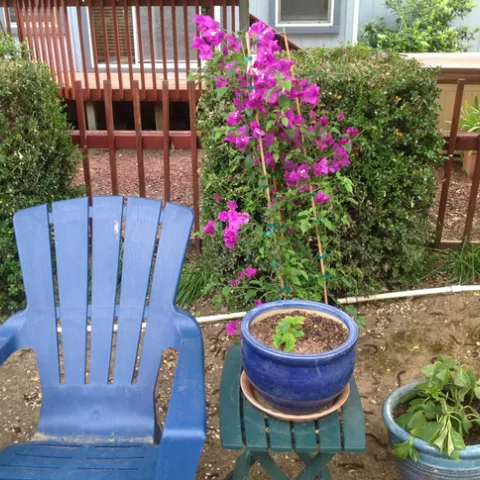
Nasturtiums: Food for Birds and Bees and Thee

May 1, 2020
There are few plants as fine as the nasturtium, particularly coastside, where it practically grows itself and is often perennial. The entire plant is edible seeds, stems, leaves, and flowers. Pickling the seedpods makes "poor man's capers.
View Article
Primary Image
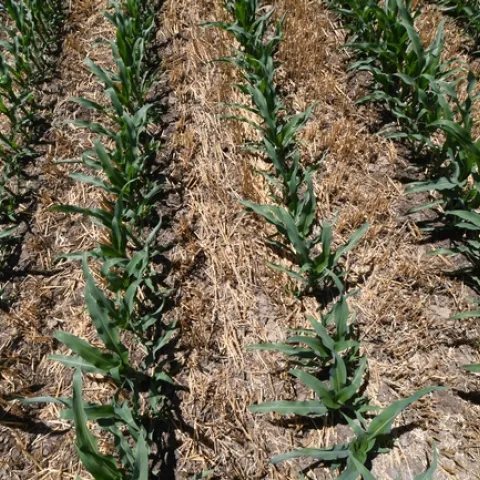
Figure 2 Drone image of a field in Solano County where N rich strips are implemented
SJC and Delta Field Crops: Article

Nitrogen Fertilizer Management in Wheat

April 30, 2020
By Michelle M Leinfelder-Miles
Over the last several months, a team from UC Cooperative Extension has been conducting trials with wheat growers to better understand nitrogen (N) management under local conditions.
View Article
Primary Image
Missy Gable talked with Fast Company about how to grow a vegetable garden.
ANR News Blog: Article

ANR in the news April 1-15, 2020

April 30, 2020
By Pamela S Kan-Rice
Pandemic And Wildfire: California Is Preparing For A Crisis Within A Crisis (CapRadio) Ezra David Romero, April 15 To protect human health, prescribed burns are not allowed for the time being on Forest Service land.
View Article
Primary Image
oak landscape

Natural History of the Central Coast

April 30, 2020
By Ben A Faber
Oaks and Oak Woodlands Explained Natural History of the Central Coast Bioregion (adapted from Gregory Ira's announcement: https://ucanr.edu/blogs/blogcore/postdetail.
View Article
Primary Image
A green lynx spider settles on a pink rockrose. (Cell phone photo by Kathy Keatley Garvey)
Bug Squad: Article

Gotta Love That Spider!

April 30, 2020
By Kathy Keatley Garvey
Gotta love that spider! If you don't like spiders, you should like this one: the green lynx spider, Peucetia viridans. It's bright green, the kind that makes you think of shamrocks and leprechauns and Ireland.
View Article
Climate Smart Agriculture: Article

We are here for you!

April 30, 2020
By Kristian M Salgado-Jacobo
During these unprecedented times of having to practice social distancing, the University of California Cooperative Extension's (UCCE) Climate Smart Agriculture -Community Education Specialists (CES) are still here to help you! We have continued to diligently provide technical assistance to farmers a...
View Article

Sharing our story

April 30, 2020
By Wendy Powers
I couldn't wait until next week to share some more of the great stories we are hearing. Overall, our day of meetings with our state elected representatives went very well yesterday. Most of our visits included key volunteers, coordinators, or program participants.
View Article