A Natural Solution for California's Herds: African Catfish Peptides

California's cattle producers and agricultural communities are all too familiar with the rising challenge of antibiotic resistance, making common bacterial infections harder to treat in livestock. But imagine a future where we could tackle these infections with a natural, powerful alternative. Our research points to just that: antimicrobial peptides (AMPs) found in African catfish.

We're really excited about these peptides because African catfish thrive in pathogen-rich freshwater, naturally producing these robust immune compounds in their skin mucus as a defense. This natural origin makes them highly appealing alternatives to synthetic drugs.

Predicted Safety and Potent Action

One of the most compelling aspects of these AMPs is their predicted safety for mammals. Our initial computer analyses suggest that various catfish AMPs are generally recognized as safe (GRAS). We predict they'll be absorbed in the human intestine without causing liver, brain, or heart toxicity. Furthermore, lab tests on a promising peptide, NACAP-II, confirmed it was non-hemolytic, meaning it didn't damage rabbit red blood cells—a strong indicator of its potential safety for mammalian cells.

Beyond safety, these peptides demonstrate effectiveness against problematic bacteria. One study revealed NACAP-II's strong activity against Extended-Spectrum Beta-Lactamase (ESBL)-producing Escherichia coli—a critical concern for both animal and human health due to its resistance to many common antibiotics. Another peptide, ACAP-IV, also showed antibacterial activity against E. coli and Staphylococcus aureus. We believe these AMPs work by directly disrupting bacterial cell membranes, a mechanism that makes it harder for bacteria to develop resistance compared to how they resist traditional antibiotics.

Primary Image
Photo: Andrew Majcher/Getty Images
Under the Solano Sun: Article

Roses Part 2: Are Those Carnival-Colored Roses for Real?

June 22, 2020
I hope you still have roses to enjoy in your garden. I suspect some of you may have received some rose bouquets for Mother's Day, and some of those may have been the carnival-colored roses (aka Rainbow Roses). If not, you have probably seen them on Internet ads.
View Article
Primary Image
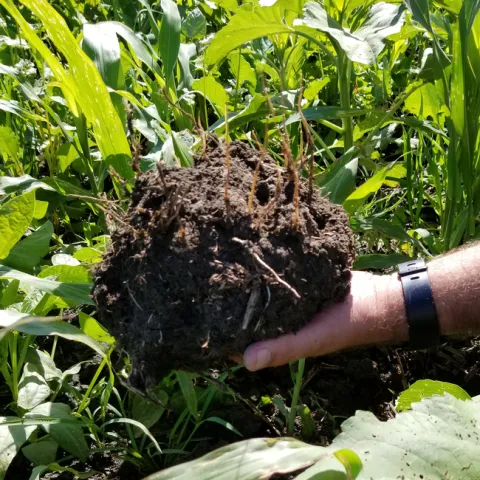
Frank Fernandes and soil structure. Photo by Shulamit Shroder.
Climate Smart Agriculture: Article

Conservation Profile: Frank Fernandes, Tulare County

June 22, 2020
By Kristian M Salgado-Jacobo
Grower Profile #1: Frank Fernandes Practices: No-Till, Strip-Till, and Cover Crops Frank Fernandes grew up in a big dairy family in Tulare County. He has continued that tradition and now farms about 1,500 acres near Pixley. He grows corn, wheat, and alfalfa as forage for his cows.
View Article
Primary Image
UC Weed Specialist Travis Bean (photo credit: CaliforniaToday)

Sad news regarding Travis Bean

June 22, 2020
By Gale Perez
Written by Karl Tanner On May 27, 2020, Travis Bean, UC Cooperative Extension specialist and an incredible, amazing and accomplished man passed away suddenly at the age of 43. Travis was born in Lincoln, NB, on Feb. 11, 1977, and raised in Yuma, AZ.
View Article
Primary Image
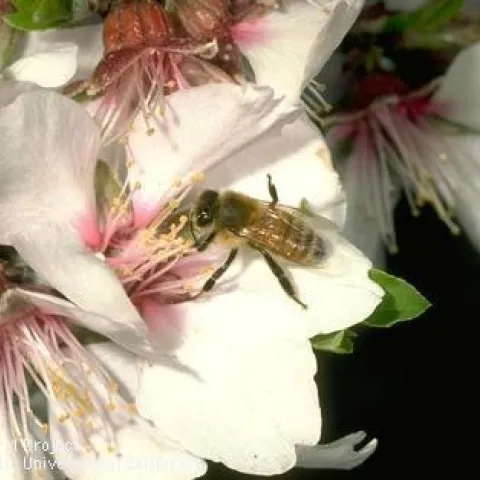
Adult honey bee,<i>Apis mellifera</i>. (Credit: Jack Kelly Clark)
Pests in the Urban Landscape: Article

National Pollinator Week 2020

June 22, 2020
This year, National Pollinator Week is June 22 to June 28, celebrating the value that pollinators such as bees, birds, butterflies, bats, and beetles provide to the ecosystem.
View Article
ANR Adventures: Article

Solstice reflections

June 22, 2020
By Wendy Powers
I hope everyone had a good weekend, enjoying Juneteenth, Father's Day, and the summer solstice. Summer solstice the end to increasing day length. It also marks the anniversary of my start date at UC ANR. I have now completed four years with UC ANR.
View Article
Primary Image
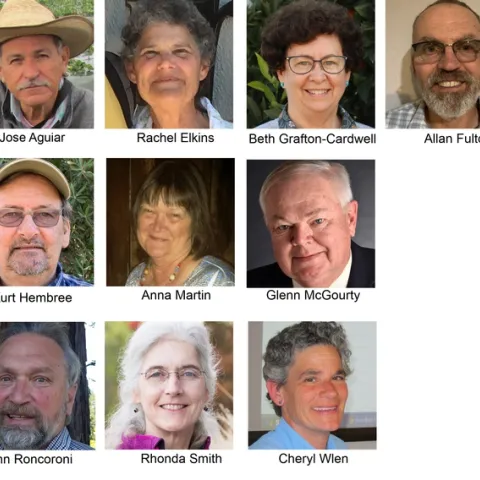
UC ANR's 2020 academic retirees.
ANR News Releases: Article

Ten UC Cooperative Extension academics retire July 1

June 22, 2020
By Jeannette Warnert
Jose Aguiar Rachel Elkins Beth Grafton-Cardwell Allan Fulton Kurt Hembree Anna Martin Glenn McGourty John Roncoroni Rhonda Smith Cheryl Wilen From farm worker to farm advisor - A life of fulfillment Jose Aguiar, who has been working as a vegetable crops small farm advisor for the University of Calif...
View Article
Primary Image
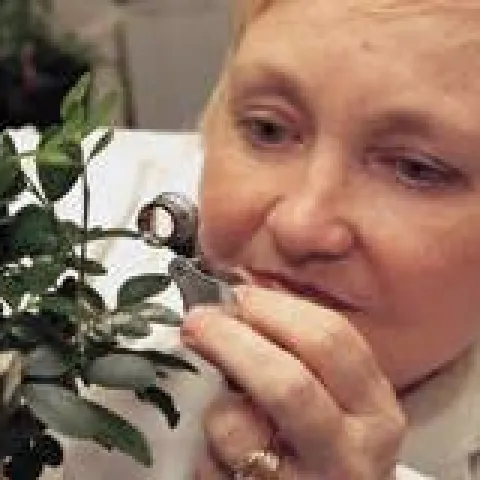
Marjorie Hoy, first woman faculty member of the UC Berkeley Department of Entomology, looks for mites on a plant.
ANR Employee News: Article

In memoriam: Marjorie Hoy

June 22, 2020
By Pamela S Kan-Rice
Marjorie Hoy, first woman faculty member of the UC Berkeley Department of Entomology, died on Friday June 19, 2020, in Colorado. She was 79.
View Article
Primary Image
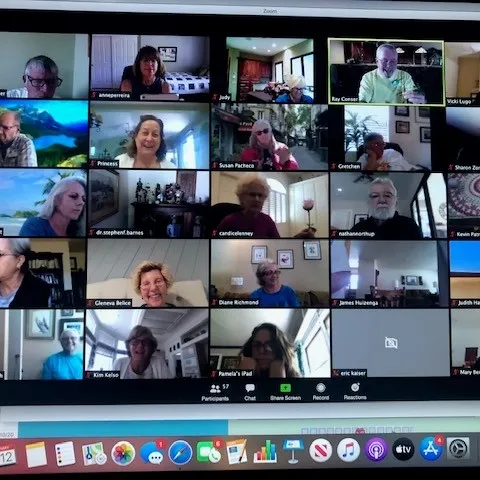
Photo of zoom screen with multiple program trainees attending plant propagation and flower disection workshop
UC Master Gardener Program Statewide Blog: Article

Growing Creativity in the COVID-19 Era (Part 3 of 4)

June 22, 2020
By Melissa G Womack
For the past three months, COVID-19 and social distancing requirements have changed the way the UC Master Gardener Program serves our mission to extend trusted gardening information.
View Article