A Natural Solution for California's Herds: African Catfish Peptides

California's cattle producers and agricultural communities are all too familiar with the rising challenge of antibiotic resistance, making common bacterial infections harder to treat in livestock. But imagine a future where we could tackle these infections with a natural, powerful alternative. Our research points to just that: antimicrobial peptides (AMPs) found in African catfish.

We're really excited about these peptides because African catfish thrive in pathogen-rich freshwater, naturally producing these robust immune compounds in their skin mucus as a defense. This natural origin makes them highly appealing alternatives to synthetic drugs.

Predicted Safety and Potent Action

One of the most compelling aspects of these AMPs is their predicted safety for mammals. Our initial computer analyses suggest that various catfish AMPs are generally recognized as safe (GRAS). We predict they'll be absorbed in the human intestine without causing liver, brain, or heart toxicity. Furthermore, lab tests on a promising peptide, NACAP-II, confirmed it was non-hemolytic, meaning it didn't damage rabbit red blood cells—a strong indicator of its potential safety for mammalian cells.

Beyond safety, these peptides demonstrate effectiveness against problematic bacteria. One study revealed NACAP-II's strong activity against Extended-Spectrum Beta-Lactamase (ESBL)-producing Escherichia coli—a critical concern for both animal and human health due to its resistance to many common antibiotics. Another peptide, ACAP-IV, also showed antibacterial activity against E. coli and Staphylococcus aureus. We believe these AMPs work by directly disrupting bacterial cell membranes, a mechanism that makes it harder for bacteria to develop resistance compared to how they resist traditional antibiotics.
Primary Image
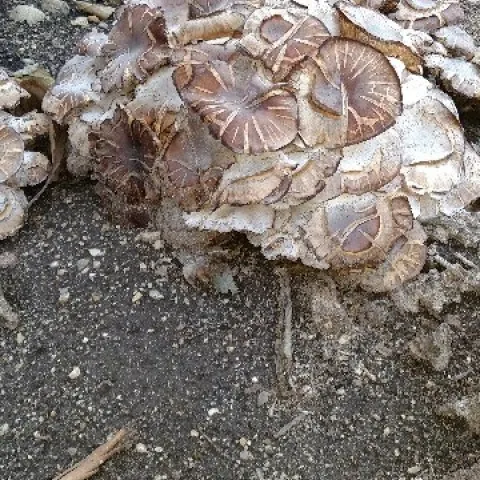
mushroom clusters
Topics in Subtropics: Article

Much Found in Mulch

June 15, 2020
By Ben A Faber
Wandering around a mulched orchard is always an adventure. In the early days of commercial mulching of citrus orchards, it wasn't uncommon to come across golf balls, discarded wallets, and all kinds of things you would not want in your orchard.
View Article
Primary Image
Photo of UC Master Gardener volunteer Ed Bass wearing a gardening hat and glasses, holding up a sign in his gardener reading "Well Done Amador"
UC Master Gardener Program Statewide Blog: Article

Growing Creativity in the COVID-19 Era (Part 1 of 4)

June 15, 2020
By Melissa G Womack
COVID-19 is having a tremendous impact on social, environmental, and economic conditions throughout the state of California and across the globe. Collectively we have endured a series of losses, from financial security to the lives of loved ones.
View Article
Primary Image
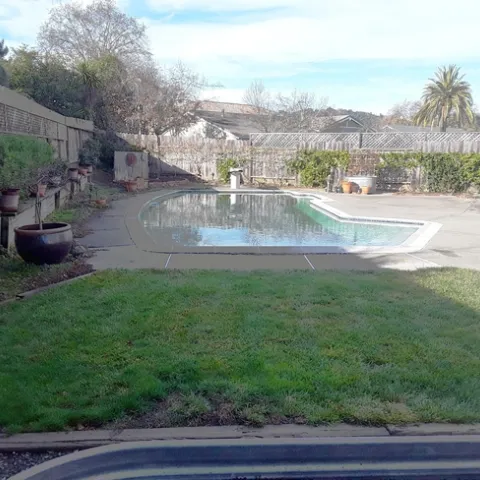
Goodby to the pool
Spill the Beans: Article

Removed the Pool - Now What?

June 15, 2020
by Mel Kendall Last fall my husband and I decided to remove our in-ground pool. With the pool now gone our power bill has dropped exponentially. On the expected but not fully realized side is the resulting void.
View Article
Primary Image
Nutria. [Credit: Tony Northrup]
Pests in the Urban Landscape: Article

Concluding Invasive Species Action Week

June 14, 2020
By Karey Windbiel-Rojas
In the last week, we have highlighted some invasive species that damage and threaten California's natural resources. If you missed any of our posts, click on the species listed below.
View Article
Primary Image
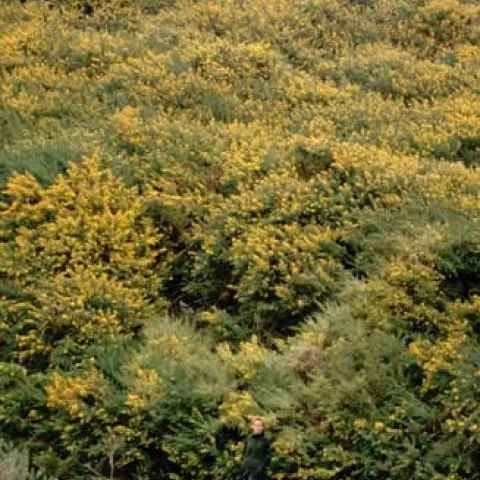
French broom, <i>Genista monspessulana</i>, invading a hillside near Bodega Bay, California. (Credit: B Rice)
Pests in the Urban Landscape: Article

Invasive Spotlight: Brooms

June 13, 2020
Brooms are shrubs which were originally planted in California as ornamentals and for erosion control, but are now considered to be invasive weeds since they are highly competitive. They crowd out native plants and form impenetrable barriers to wildlife.
View Article
Primary Image
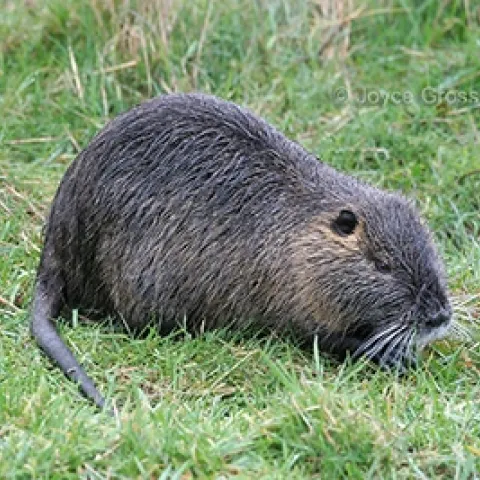
Adult nutria with white muzzle and whiskers, and long, round tail.<br>(Credit: J Gross)
Pests in the Urban Landscape: Article

Invasive Spotlight: Nutria

June 13, 2020
Nutria are found near rivers, streams, lakes, ponds and wetlands. Their burrowing and feeding on vegetation can cause damage. In addition, they can carry pathogens and parasites.
View Article
Primary Image
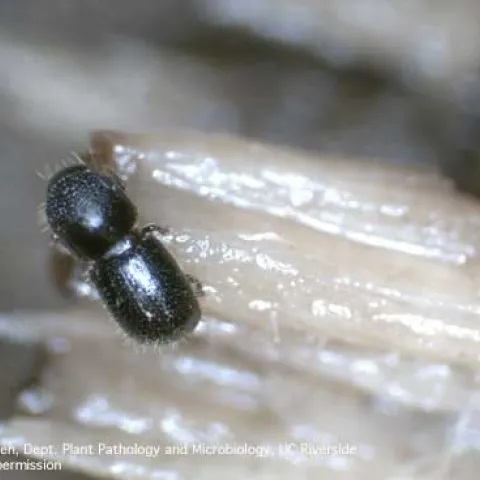
Adult female polyphagous shot hole borer.<br>(Credit: A Eskalen)
Pests in the Urban Landscape: Article

Invasive Spotlight: Shot Hole Borers

June 13, 2020
Small beetles are causing big problems in Southern California. Two closely related species, the polyphagous shot hole borer and the Kuroshio shot hole borer (collectively referred to as invasive shot hole borers), have been attacking more than 60 species of trees.
View Article
Primary Image
Travis Bean
ANR Employee News: Article

In memoriam: Travis Bean

June 12, 2020
By Pamela S Kan-Rice
On May 27, 2020, Travis Bean, UC Cooperative Extension specialist and an incredible, amazing and accomplished man passed away suddenly at the age of 43. Travis was born in Lincoln, Neb., on Feb. 11, 1977, and raised in Yuma, Ariz.
View Article