A Natural Solution for California's Herds: African Catfish Peptides

California's cattle producers and agricultural communities are all too familiar with the rising challenge of antibiotic resistance, making common bacterial infections harder to treat in livestock. But imagine a future where we could tackle these infections with a natural, powerful alternative. Our research points to just that: antimicrobial peptides (AMPs) found in African catfish.

We're really excited about these peptides because African catfish thrive in pathogen-rich freshwater, naturally producing these robust immune compounds in their skin mucus as a defense. This natural origin makes them highly appealing alternatives to synthetic drugs.

Predicted Safety and Potent Action

One of the most compelling aspects of these AMPs is their predicted safety for mammals. Our initial computer analyses suggest that various catfish AMPs are generally recognized as safe (GRAS). We predict they'll be absorbed in the human intestine without causing liver, brain, or heart toxicity. Furthermore, lab tests on a promising peptide, NACAP-II, confirmed it was non-hemolytic, meaning it didn't damage rabbit red blood cells—a strong indicator of its potential safety for mammalian cells.

Beyond safety, these peptides demonstrate effectiveness against problematic bacteria. One study revealed NACAP-II's strong activity against Extended-Spectrum Beta-Lactamase (ESBL)-producing Escherichia coli—a critical concern for both animal and human health due to its resistance to many common antibiotics. Another peptide, ACAP-IV, also showed antibacterial activity against E. coli and Staphylococcus aureus. We believe these AMPs work by directly disrupting bacterial cell membranes, a mechanism that makes it harder for bacteria to develop resistance compared to how they resist traditional antibiotics.
Event Primary Image
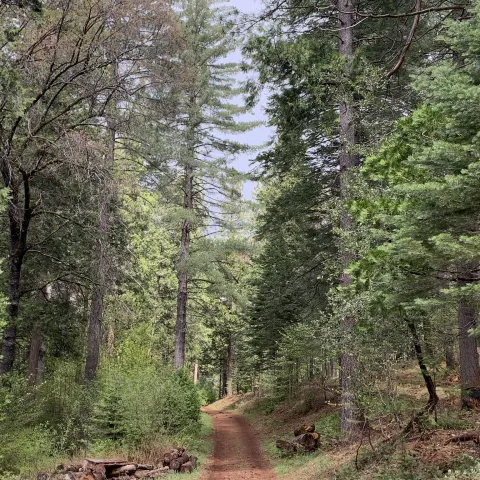
A mixed conifer forest in the Sierra Nevadas.
Forestry Research and Outreach: Event

Forest Stewardship Field Day: Forest Road Management

Event Date
Nov 1, 2025

Join us as we view and discuss rural road conditions with Mark Egbert, District Manager, El Dorado & Georgetown Divide RCDs; Richard Harris, Consulting RPF and Planner; and Susie Kocher, UC ANR Forestry Advisor.Discussion topics include:Drainage issuesRoad surfacesRemedial measuresWe will be carpooling…
Forestry Research and Outreach
View Event
Primary Image
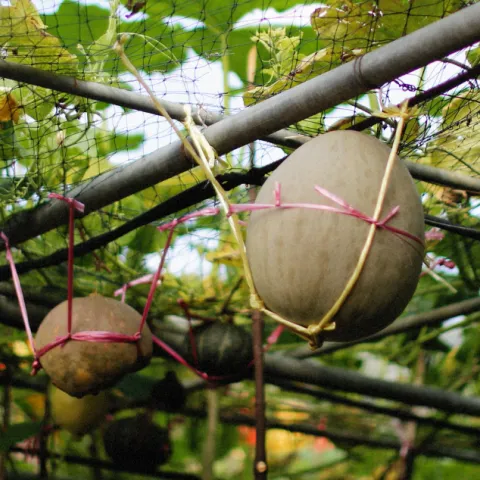
Melons hanging from a trellis
UC Master Gardener Coordinators: Article

Rooted in Marketing - September 2025

August 29, 2025
By Barbra Braaten
September is here, and as gardens across much of California are feeling the stress of summer heat, it's the perfect time to focus on one of your most powerful communication tools – newsletters! Whether you're sharing tips for helping gardens survive the late-summer heat, planning for fall planting, or…
View Article
UC Rice Blog: Article

A warm week ahead. Do we need to be worried about chalkiness?

August 29, 2025
By Bruce A Linquist
Short answer: Not like we did in 2022. However, in the northern part of Sacramento Valley, temperatures are forecasted to be warm and chalkiness may be an issue for a sensitive variety like M-211. You can read on for more. Grain chalkiness occurs when there are high temperatures (especially at night)…
View Article
Primary Image
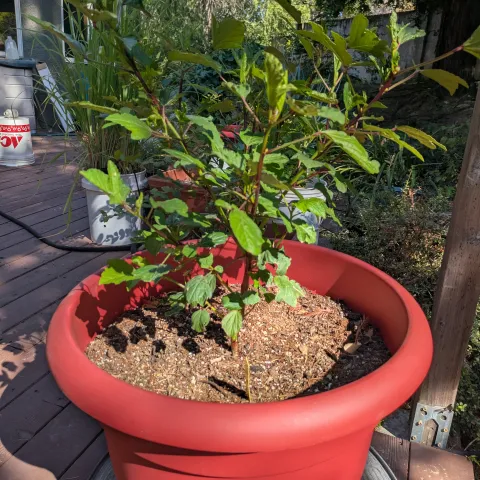
Hibiscus 'Roselle' plant in a red pot

Hibiscus 'Roselle'

August 29, 2025
By Jennifer M Baumbach
Blog by Nanelle Jones-Sullivan Inspired by a recent visit to my in-laws, I bought this Hibiscus ‘Roselle.’ While with them, I enjoyed it as ‘Jamaican sorrel,’ ‘Roselle’ is one of many common names for Hibiscus sabdariffa, a member of the Malva family. You have seen it at taquerias as Agua de…
View Article
Primary Image
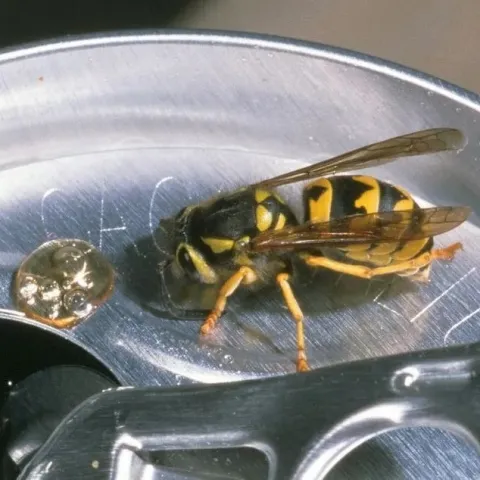
Yellow jacket on a soda can
Fresno Gardening Green: Article

Don't let yellow jackets crash your Labor Day picnic

August 29, 2025
By Jeannette Warnert
It’s that time of year when yellowjackets can ruin your outdoor picnic or gathering. Yellowjacket wasps prey on other insects and scavenge on human food and garbage. Keep reading to learn what they are looking for and ways to get rid of them.Yellowjackets, sometimes called “meat bees,” defend their nests, as…
View Article
Primary Image
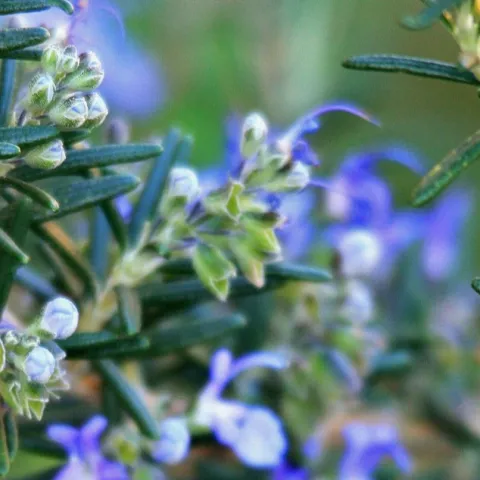
Rosemary buds and twigs
Fresno Gardening Green: Article

This week in the garden: August 29 - September 4

August 29, 2025
By Jeannette Warnert
Fall planting begins in September but summer heat can persist, so you may need to wait until later in the month. September and October are great months to do major lawn renovation or consider replacing lawn with drought-tolerant plants.TasksClean up around the base of fruit trees, and compost or dispose of…
View Article
Primary Image
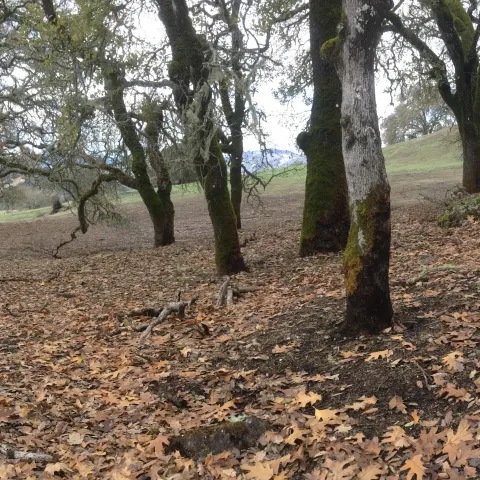
HREC low severity burn black oak stand
UC Oaks: Page

IHRMP Research Bibliography

Starting in 1986, researchers affiliated with the UC’s Integrated Hardwood Range Management Program (IHRMP), as well as scientists funded by IHRMP research grants, began publishing articles based on the results of both applied and basic research. These are listed alphabetically below according to the name of…
View Page
Event Primary Image
Answer Your Gardening Questions - Costa Mesa
UC Master Gardeners of Orange County: Event

Volunteer Training Information Day - Orange County

Event Date
Sep 4, 2025

Would you like to become a UC Master Gardener Volunteer?University of California Cooperative Extension (UCCE) Master Gardeners are volunteers who extend horticulture education to communities in Orange County. Using a variety of activities such as workshops, lectures, a gardening hotline, and information…
UC Master Gardeners of Orange County
View Event