A Natural Solution for California's Herds: African Catfish Peptides

California's cattle producers and agricultural communities are all too familiar with the rising challenge of antibiotic resistance, making common bacterial infections harder to treat in livestock. But imagine a future where we could tackle these infections with a natural, powerful alternative. Our research points to just that: antimicrobial peptides (AMPs) found in African catfish.

We're really excited about these peptides because African catfish thrive in pathogen-rich freshwater, naturally producing these robust immune compounds in their skin mucus as a defense. This natural origin makes them highly appealing alternatives to synthetic drugs.

Predicted Safety and Potent Action

One of the most compelling aspects of these AMPs is their predicted safety for mammals. Our initial computer analyses suggest that various catfish AMPs are generally recognized as safe (GRAS). We predict they'll be absorbed in the human intestine without causing liver, brain, or heart toxicity. Furthermore, lab tests on a promising peptide, NACAP-II, confirmed it was non-hemolytic, meaning it didn't damage rabbit red blood cells—a strong indicator of its potential safety for mammalian cells.

Beyond safety, these peptides demonstrate effectiveness against problematic bacteria. One study revealed NACAP-II's strong activity against Extended-Spectrum Beta-Lactamase (ESBL)-producing Escherichia coli—a critical concern for both animal and human health due to its resistance to many common antibiotics. Another peptide, ACAP-IV, also showed antibacterial activity against E. coli and Staphylococcus aureus. We believe these AMPs work by directly disrupting bacterial cell membranes, a mechanism that makes it harder for bacteria to develop resistance compared to how they resist traditional antibiotics.
Nutrition Policy Institute News: Article

New fact sheet for clinicians on physical activity during the perinatal period to support maternal health and fetal development

August 27, 2025
By Jean Aquino, Danielle Lee, Hannah R Thompson
The American Journal of Lifestyle Medicine published a new fact sheet for clinicians on physical activity recommendations during the perinatal period—one year before conception to one year after pregnancy. Adequate aerobic activity and strength training during pregnancy and in the postpartum period…
View Article

Urban Ag at the Market Certificate Program

August 27, 2025
By Amrita Mukherjee
The Urban & Environmental Policy Institute at Occidental College (UEPI) is partnering with Food Access LA, Avenue 33 Farm and UCANR to offer an “Urban Ag at the Market” Certificate Program this fall designed to train urban farmers, backyard growers, or campus farms to grow for and sell at their…
View Article
Agricultura y Recursos Naturales: Page

Sabores de nuestras tierras/recipes - 2025

  ¡Disfrute estas recetas de comida latinoamericana!View the English versionAjiaco Bogotano Ingredientes:2 pechugas de pollo4 papas sabaneras, peladas y en rodajas2 papas criollas (amarillas), peladas2 papas pastusas, peladas y en rodajas1 elote (maíz),…
View Page
Primary Image
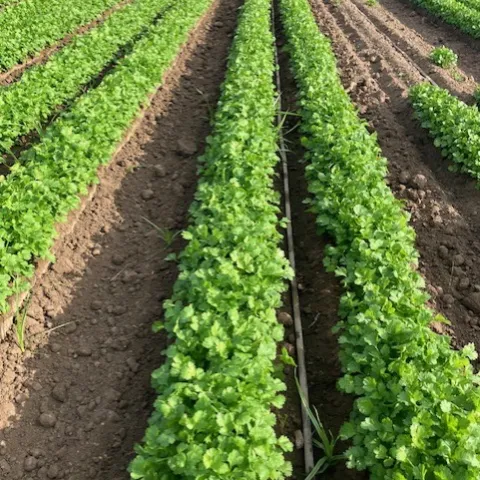
rows of cilantro in field
Food Blog: Article

UC releases costs of growing cilantro, parsley

August 26, 2025
By Pamela S Kan-Rice
 For commercial growers considering planting cilantro or parsley, the costs and returns of producing in Ventura County are outlined in a new study by the University of California Cooperative Extension, University of California Agriculture and Natural Resources Policy Institute, and UC Davis Department…
View Article
Primary Image
Crab spider nails a hoverfly, a yellowjacket mimic. (Photo by Kathy Keatley Garvey)
Bug Squad: Article

Disguise Didn't Work

August 26, 2025
By Kathy Keatley Garvey
 If you look like a yellowjacket but you’re really a fly, that doesn’t mean a predator can’t grab you and eat you.Take the case of a crab spider lying in wait on a Mexican sunflower, Tithonia rotundifola, in a Vacaville garden. Our very alert spider knows exactly where to practice its ambushing…
View Article
Primary Image
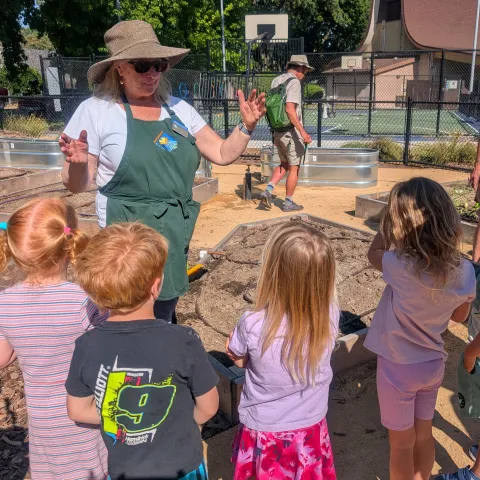
Kids Learning about Plants at Summer Camp session in Chapman Teaching Garden. Laura Lukes
The Real Dirt: Article

Living Lab: Chapman Community Teaching Garden

August 26, 2025
“Living Lab” is the perfect name for an innovative outdoor learning and teacher-training program that just might change a child’s life. Our Master Gardeners (MGs) Living Lab team offers a number of resources for local schools. This article focuses on our collaboration with the Chico Area Recreation District …
View Article