A Natural Solution for California's Herds: African Catfish Peptides

California's cattle producers and agricultural communities are all too familiar with the rising challenge of antibiotic resistance, making common bacterial infections harder to treat in livestock. But imagine a future where we could tackle these infections with a natural, powerful alternative. Our research points to just that: antimicrobial peptides (AMPs) found in African catfish.

We're really excited about these peptides because African catfish thrive in pathogen-rich freshwater, naturally producing these robust immune compounds in their skin mucus as a defense. This natural origin makes them highly appealing alternatives to synthetic drugs.

Predicted Safety and Potent Action

One of the most compelling aspects of these AMPs is their predicted safety for mammals. Our initial computer analyses suggest that various catfish AMPs are generally recognized as safe (GRAS). We predict they'll be absorbed in the human intestine without causing liver, brain, or heart toxicity. Furthermore, lab tests on a promising peptide, NACAP-II, confirmed it was non-hemolytic, meaning it didn't damage rabbit red blood cells—a strong indicator of its potential safety for mammalian cells.

Beyond safety, these peptides demonstrate effectiveness against problematic bacteria. One study revealed NACAP-II's strong activity against Extended-Spectrum Beta-Lactamase (ESBL)-producing Escherichia coli—a critical concern for both animal and human health due to its resistance to many common antibiotics. Another peptide, ACAP-IV, also showed antibacterial activity against E. coli and Staphylococcus aureus. We believe these AMPs work by directly disrupting bacterial cell membranes, a mechanism that makes it harder for bacteria to develop resistance compared to how they resist traditional antibiotics.

Event Primary Image
herbs thumbnail 6.png
UC Master Food Preserver: Event

Fresh Today, Flavor Tomorrow: Preserving Herbs Made Simple (Online Delivery Program)

Event Date
Sep 28, 2025

Fresh herbs are delicious but fleeting. In this class, UC Master Food Preservers will show you simple, safe methods to preserve herbs without expensive equipment, just using items you likely already have at home. Save money, reduce waste, and enjoy the flavors of your garden or farmers’ market all year long.
UC Master Food Preserver
View Event
Agricultura y Recursos Naturales: Page

Recursos/Resources - 2025

 La División de Agricultura y Recursos Naturales de la Universidad de California  UC ANR) celebra el Mes Nacional de la Herencia Hispana (HHM) del 15 de septiembre al 15 de octubre de cada año. Durante este mes UC ANR reconoce las contribuciones, la cultura y la historia de los latinos, y…
View Page
Primary Image
Assorted micro-moths that Jeff Smith has curated. (Photo by Kathy Keatley Garvey)
Bug Squad: Article

This Super-Tiny Fairy Longhorn Moth Has Quite a History

August 27, 2025
By Kathy Keatley Garvey
 If you're accustomed to seeing large moths with a 10-inch wingspan, you won't believe this micro moth.Entomologist Jeff Smith, volunteer curator of the prized Lepidoptera collection at the Bohart Museum of Entomology, UC Davis, has just curated a metallic Papua New Guinea (PNG) moth with a 1.4…
View Article
Primary Image
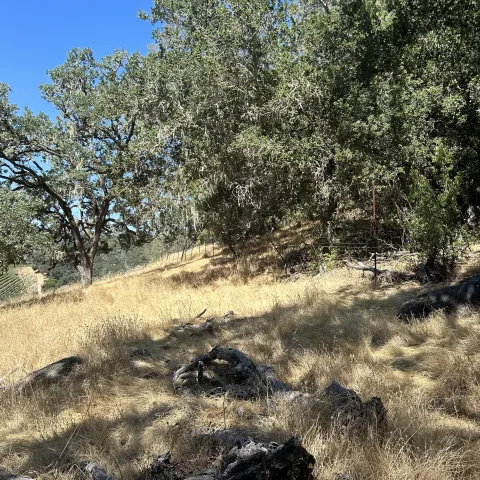
grazing under oaks inside the fence
UC Oaks: Page

FAQ

What is the oak tree's trunk growing rate per year?Your question is valid; however, there is no answer that can be used since oaks grow in so many diverse soils and climates. Additionally, because of the variety of oak species (both tree and shrub) forms, no two species will react the same to similar…
View Page
Primary Image
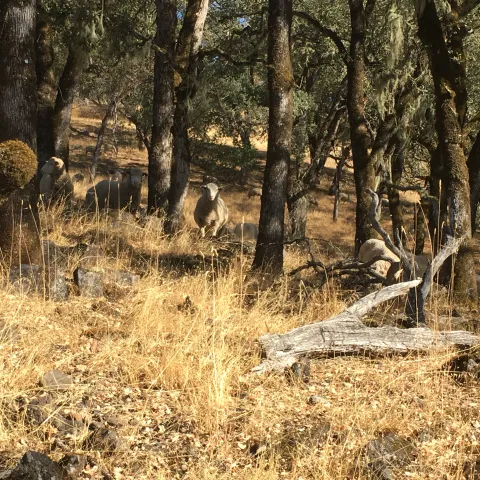
sheep in oak woodlands
UC Oaks: Page

Livestock Management on Rangelands

 Unlike much of the land at higher elevations which is publicly owned, 80% of the oak woodlands in California are privately held.The majority is used for grazing, primarily for beef cattle. It is therefore essential that these property owners understand the importance of oak woodland conservation and be…
View Page
Primary Image
land use and oaks
UC Oaks: Page

Planners & Policy

 There are many threats to oaks, but one of the most significant today is the impact from residential and commercial development.Local planning plays a key role in oak woodland conservation.The University of California has worked extensively on planning issues during the last several decades to help…
View Page
Primary Image
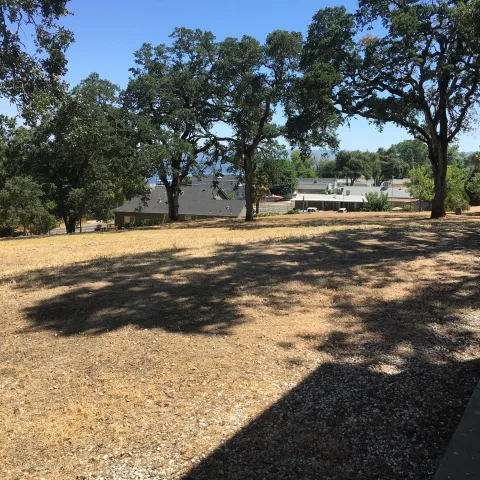
oaks in the urban forest
UC Oaks: Page

Urban Oak Care

 While the main focus of the IHRMP was to address oak and oak woodland conservation in wildlands, it became apparent right away that many people were also very interested in how to manage their oak trees in their backyards.We believe this reflected the fact that oaks are extremely important to many…
View Page
Agricultura y Recursos Naturales: Page

Años anteriores

Looking Back at Our CelebrationsBrowse the archive of past Hispanic Heritage Month webpages, where each year’s celebration highlighted unique events, resources, and stories.2023202220212020
View Page