A Natural Solution for California's Herds: African Catfish Peptides

California's cattle producers and agricultural communities are all too familiar with the rising challenge of antibiotic resistance, making common bacterial infections harder to treat in livestock. But imagine a future where we could tackle these infections with a natural, powerful alternative. Our research points to just that: antimicrobial peptides (AMPs) found in African catfish.

We're really excited about these peptides because African catfish thrive in pathogen-rich freshwater, naturally producing these robust immune compounds in their skin mucus as a defense. This natural origin makes them highly appealing alternatives to synthetic drugs.

Predicted Safety and Potent Action

One of the most compelling aspects of these AMPs is their predicted safety for mammals. Our initial computer analyses suggest that various catfish AMPs are generally recognized as safe (GRAS). We predict they'll be absorbed in the human intestine without causing liver, brain, or heart toxicity. Furthermore, lab tests on a promising peptide, NACAP-II, confirmed it was non-hemolytic, meaning it didn't damage rabbit red blood cells—a strong indicator of its potential safety for mammalian cells.

Beyond safety, these peptides demonstrate effectiveness against problematic bacteria. One study revealed NACAP-II's strong activity against Extended-Spectrum Beta-Lactamase (ESBL)-producing Escherichia coli—a critical concern for both animal and human health due to its resistance to many common antibiotics. Another peptide, ACAP-IV, also showed antibacterial activity against E. coli and Staphylococcus aureus. We believe these AMPs work by directly disrupting bacterial cell membranes, a mechanism that makes it harder for bacteria to develop resistance compared to how they resist traditional antibiotics.
Strawberries and Caneberries: Article

Meeting Regarding Use of Organic Transplants in Strawberry November 25

November 14, 2019
By Mark P Bolda
Lisa Bunin from Organic Advocacy and I have a meeting planned for this upcoming November 25 concerning the use of organic transplants in strawberry. Regulators will be on hand to clarify what the regulations regarding the use of these plants will look like for organic growers going forward.
View Article
Primary Image
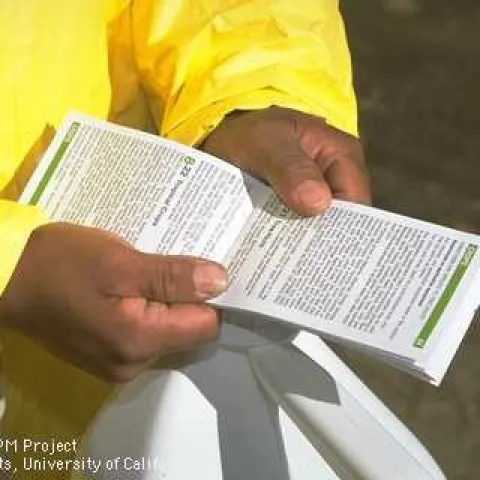
Reading pesticide label instructions. (Credit: Jack Kelly Clark)
Pests in the Urban Landscape: Article

UC Ag Experts Talk: Label Reading Webinar

November 14, 2019
Pesticide Label Reading for Safe Applications November 20, 2019 from 3pm to 4pm Lisa Blecker, Coordinator of the Pesticide Safety Education Program, will talk about all the important information you can find on pesticide labels to ensure the safety of pesticide handlers, other employees, and bystand...
View Article
Primary Image
Point Reyes National Seashore Association logo
UC Weed Science (weed control, management, ecology, and minutia): Article

JOB ANNOUNCEMENT :: Biological Science Technician

November 14, 2019
By Gale Perez
Vegetation Management/Monitoring--Biological Science Technician position through Point Reyes National Seashore Association Application deadline: 11/29/2019 The Biological Science Technician will work in collaboration with National Park Service staff to assist with a wide variety of tasks, including,...
View Article
Primary Image
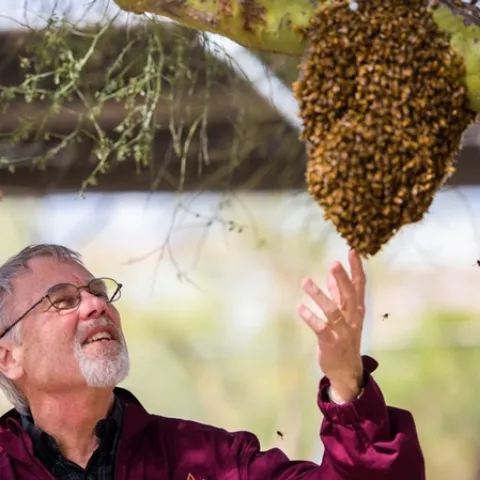
Noted honey bee geneticist checking out a bee swarm at the University of Arizona, Tempe.
Entomology & Nematology News: Article

Robert Page Jr. to Deliver BrainFood Seminar Nov. 14 at Alumni Center

November 13, 2019
By Kathy Keatley Garvey
Internationally recognized honey bee geneticist Robert E. Page Jr., recipient of the 2019 UC Davis Distinguished Emeritus Award, will present a BrainFood Seminar at 11:30 a.m., Thursday, Nov. 14 in the Walter A. Buehler Alumni Center on The Social Contract: How Complex Social Behavior Evolves.
View Article
Primary Image
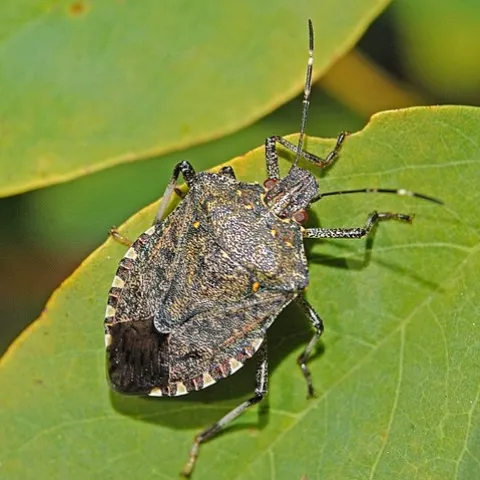
Brown Marmorated Stink Bug. (photo credit: Hectonichus via Wikipedia)
The Backyard Gardener: Article

Stink Bug Update

November 13, 2019
By Dustin W Blakey
Brown marmorated stink bugs found in Inyo and Mono counties.
View Article