A Natural Solution for California's Herds: African Catfish Peptides

California's cattle producers and agricultural communities are all too familiar with the rising challenge of antibiotic resistance, making common bacterial infections harder to treat in livestock. But imagine a future where we could tackle these infections with a natural, powerful alternative. Our research points to just that: antimicrobial peptides (AMPs) found in African catfish.

We're really excited about these peptides because African catfish thrive in pathogen-rich freshwater, naturally producing these robust immune compounds in their skin mucus as a defense. This natural origin makes them highly appealing alternatives to synthetic drugs.

Predicted Safety and Potent Action

One of the most compelling aspects of these AMPs is their predicted safety for mammals. Our initial computer analyses suggest that various catfish AMPs are generally recognized as safe (GRAS). We predict they'll be absorbed in the human intestine without causing liver, brain, or heart toxicity. Furthermore, lab tests on a promising peptide, NACAP-II, confirmed it was non-hemolytic, meaning it didn't damage rabbit red blood cells—a strong indicator of its potential safety for mammalian cells.

Beyond safety, these peptides demonstrate effectiveness against problematic bacteria. One study revealed NACAP-II's strong activity against Extended-Spectrum Beta-Lactamase (ESBL)-producing Escherichia coli—a critical concern for both animal and human health due to its resistance to many common antibiotics. Another peptide, ACAP-IV, also showed antibacterial activity against E. coli and Staphylococcus aureus. We believe these AMPs work by directly disrupting bacterial cell membranes, a mechanism that makes it harder for bacteria to develop resistance compared to how they resist traditional antibiotics.

Primary Image
WP 20190713 09 29 30 Pro
UCCE Riverside County: Article

Inland Empire Job Corps Joined RFT Garden Effort

July 18, 2019
By Chutima H Ganthavorn
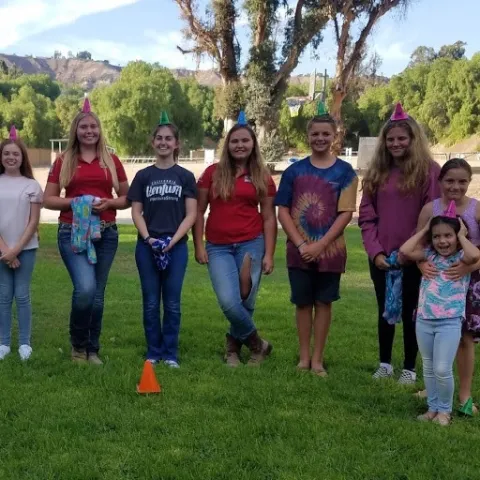
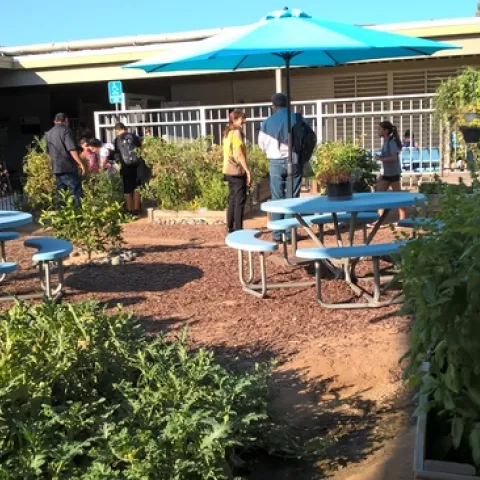
Early in the morning of Saturday, July 13, 2019, it was already getting warm. The temperature had been in the 90's lately. But as Bryan Medina promised, six youth/young adults from Inland Empire Job Corps showed up with their supervisor, Calvin Pondexter.
View Article
Article

Listen To “Joy of Blooming Perennials” On In The Garden Radio

July 17, 2019
And spokesperson he truly is! In his infectiously witty British way, he will tell you what is so joyful about growing the one category of plants that will bring you color and texture to your garden year after year without replanting. That is the nature of perennials versus annuals and biennials.
View Article
Primary Image
A honey bee and a yellow-faced bumble bee (Bombus vosnesenskii) share a purple cone flower. (Photo by Kathy Keatley Garvey)
Entomology & Nematology News: Article

Capacity Crowd to Attend 4th International Pollinator Conference

July 17, 2019
By Kathy Keatley Garvey
A capacity crowd of 250 will attend the fourth International Pollinator Conference, to be hosted by the University of California, Davis from Wednesday, July 17 through Saturday, July 20 in the ARC Ballroom. A welcoming reception will take place from 6:30 to 8 p.m.
View Article
Primary Image
View of the mountain from The Land Conservancy of San Luis Obispo County
California Naturalist: Article

Regional Rendezvous speaker series 2019

July 17, 2019
By Eliot T Freutel
This year's Regional Rendezvous (August 16-18) will host an abundance of learning opportunities for our CalNat participants. Aside from the amazing activities and adventures (such as kayaking, birding, historic building and nature preserve visits, traditional tool use workshop, etc.
View Article
Primary Image
MFP canning
Master Food Preservers of San Bernardino County: Article

Free Classes on Food Preservation Coming to a Location Near You!

July 17, 2019
By Janet S Hartin
Do you Want to Learn How to Garden More Sustainably and How To Preserve Your Fruits and Vegetables? Attend a free library workshop listed below in Crestline, Yucaipa, or Fontana taught by trained UC Cooperative Extension Master Gardeners and Master Food Preservers.
View Article
Primary Image
Spotted-lantern-fly-Adults-1024x394
Topics in Subtropics: Article

Here Comes Another Avocado Pest - Humpf - Biocontrol Can Handle It

July 16, 2019
By Ben A Faber
UC Riverside is testing whether a sesame seed-sized wasp can control a pest that could seriously damage California crops including wine, walnuts, and avocados. The pest, a sap-sucking spotted lantern fly, is originally from China and was first detected five years ago in Pennsylvania.
View Article