A Natural Solution for California's Herds: African Catfish Peptides

California's cattle producers and agricultural communities are all too familiar with the rising challenge of antibiotic resistance, making common bacterial infections harder to treat in livestock. But imagine a future where we could tackle these infections with a natural, powerful alternative. Our research points to just that: antimicrobial peptides (AMPs) found in African catfish.

We're really excited about these peptides because African catfish thrive in pathogen-rich freshwater, naturally producing these robust immune compounds in their skin mucus as a defense. This natural origin makes them highly appealing alternatives to synthetic drugs.

Predicted Safety and Potent Action

One of the most compelling aspects of these AMPs is their predicted safety for mammals. Our initial computer analyses suggest that various catfish AMPs are generally recognized as safe (GRAS). We predict they'll be absorbed in the human intestine without causing liver, brain, or heart toxicity. Furthermore, lab tests on a promising peptide, NACAP-II, confirmed it was non-hemolytic, meaning it didn't damage rabbit red blood cells—a strong indicator of its potential safety for mammalian cells.

Beyond safety, these peptides demonstrate effectiveness against problematic bacteria. One study revealed NACAP-II's strong activity against Extended-Spectrum Beta-Lactamase (ESBL)-producing Escherichia coli—a critical concern for both animal and human health due to its resistance to many common antibiotics. Another peptide, ACAP-IV, also showed antibacterial activity against E. coli and Staphylococcus aureus. We believe these AMPs work by directly disrupting bacterial cell membranes, a mechanism that makes it harder for bacteria to develop resistance compared to how they resist traditional antibiotics.
Primary Image
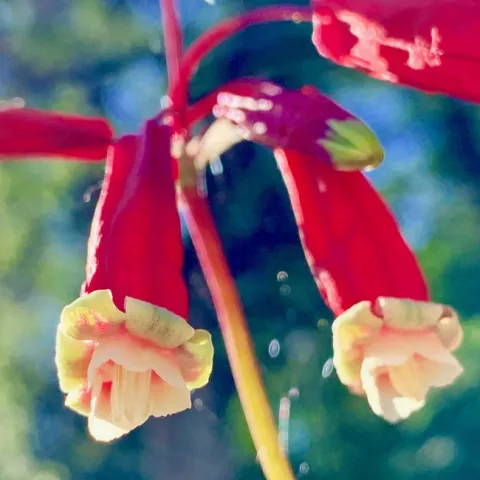
Firecracker Brodiaea flower
UC Environmental Stewards Blog: Article

Nothing lights up the roadside like firecracker brodiaeas

July 3, 2019
Are you guilty of botanizing-while-driving? This pastime is most safely achieved with a flower spotter in the passenger seat. But sometimes, at the peak of wildflower glory, even the safest, most focused driver isn't immune to picking up a flash of bright color.
View Article
Livestock & Range: Article

Complete the Ranch Management Survey for the chance to win a YETI cooler!

July 3, 2019
By Devii R Rao
The Animal Science Department of University of California, Davis is conducting a survey in order to design an effective rancher educational program. All collected information will remain anonymous, and will be used to improve educational programs as well as continue to benefit to the beef industry.
View Article
Blog - Forest Research and Outreach : Article

Is wildfire management ‘for the birds’?

July 3, 2019
By Susan D Kocher
Reposted from UC Berkeley News Spotted owls, native to the old-growth forests of the West Coast, have already lost much of their former habitat to logging. Without active forest management, the birds now risk losing even more of their remaining habitat to wildfire, a new paper argues.
View Article
Colusa County: Article

July 2019

July 3, 2019
Book of the Month - Fire The Landscaper Ornamental Plant of the Month - Daylilies Edible Plant of the Month - Beets Recipe of the Month - Upside-Down Caramel Apricot Tarts Events, see fliers for details: Second Saturday at the Library, July 13, 10 am to noon.
View Article
Article

Have Your Heard This Month in the Garden – July 2019

July 3, 2019
In the meantime, stay cool and consider your shade garden. And here's just one small tip to think about. When you water your plants, be certain to occasionally flush out those plants such as Bromeliads that tend to pool water in their cups.
View Article
Central Sierra Livestock & Natural Resources: Article

July 2019

July 3, 2019
In this issue: Managing Livestock Nutrition on Dry Forage. Fire season is upon us. Planning for planned power outages. Coccidiosis in Sheep and Goats. Sierra Harvest Land Match Program. Observations of Blue Oaks Needed. USDA will require RFID Brucellosis Tags.
View Article
Primary Image
photo by Erin Mahaney

More on Wild Onion

July 3, 2019
Seven years ago, I wrote a blog on wild onion, Allium triquetrum.[1] Since that time, I've learned that I actually have one type of wild onion in my yard and another plant that initially looks like wild onion or wild garlic, Nothoscordum gracile, but actually is not.
View Article