A Natural Solution for California's Herds: African Catfish Peptides

California's cattle producers and agricultural communities are all too familiar with the rising challenge of antibiotic resistance, making common bacterial infections harder to treat in livestock. But imagine a future where we could tackle these infections with a natural, powerful alternative. Our research points to just that: antimicrobial peptides (AMPs) found in African catfish.

We're really excited about these peptides because African catfish thrive in pathogen-rich freshwater, naturally producing these robust immune compounds in their skin mucus as a defense. This natural origin makes them highly appealing alternatives to synthetic drugs.

Predicted Safety and Potent Action

One of the most compelling aspects of these AMPs is their predicted safety for mammals. Our initial computer analyses suggest that various catfish AMPs are generally recognized as safe (GRAS). We predict they'll be absorbed in the human intestine without causing liver, brain, or heart toxicity. Furthermore, lab tests on a promising peptide, NACAP-II, confirmed it was non-hemolytic, meaning it didn't damage rabbit red blood cells—a strong indicator of its potential safety for mammalian cells.

Beyond safety, these peptides demonstrate effectiveness against problematic bacteria. One study revealed NACAP-II's strong activity against Extended-Spectrum Beta-Lactamase (ESBL)-producing Escherichia coli—a critical concern for both animal and human health due to its resistance to many common antibiotics. Another peptide, ACAP-IV, also showed antibacterial activity against E. coli and Staphylococcus aureus. We believe these AMPs work by directly disrupting bacterial cell membranes, a mechanism that makes it harder for bacteria to develop resistance compared to how they resist traditional antibiotics.

Primary Image
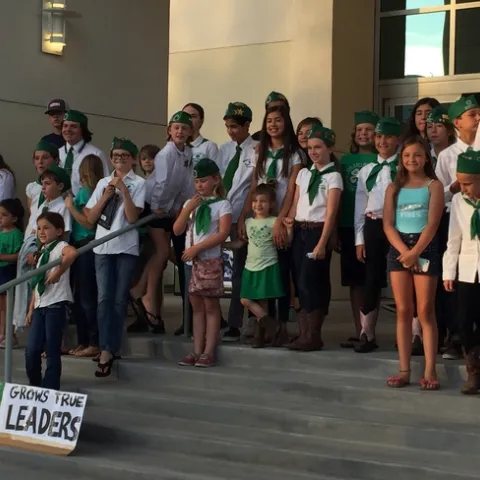
Brownie Girl Scouts (from left) Jayda Navarette, Kendl Mackin and Keira Yu of Vacaville Troop 30477 react to the spider sensory activity. At right is postdoctoral fellow Vera Opatova of the Jason Bond lab. (Photo by Kathy Keatley Garvey)
Entomology & Nematology News: Article

Professor Jason Bond: 'A Spider Is Always Watching You!'

April 22, 2019
By Kathy Keatley Garvey
Spiders are everywhere. You're never too far away from a spider; a spider is always watching you," Professor Jason Bond told the crowd at his town-hall presentation at the Bohart Museum of Entomology open house on arachnids.
View Article
Primary Image
photo by Michelle Davis
Under the Solano Sun: Article

Earth Day

April 22, 2019
April 22 is Earth Day. I started wondering how the event got started and found my answers online at the Library of Congress.
View Article
Primary Image
Capriana in her bee suit, surrounded by bees
California 4-H Grown: Article

My 4-H experience helped me in the college application process

April 22, 2019
By Suzanne Morikawa
College applications and college scholarships all are looking for a good essay, an interesting story and a catchy topic. As a 4-Her who was has been active for 9 years in El Sereno's beekeeping project, I had lots of options to create a buzz with.
View Article
Primary Image
May 11 Rangeland Meeting
Notes in the Margins: Agronomy and Weed Science Musings: Article

Upcoming Extension Meetings - May 2019 - Rangeland Weed Management

April 22, 2019
When: Saturday, May 11 Time: 9:00am to 2:00pm Where: Ruth McKenzie Table Mountain Preserve (22477 Auberry Rd, Clovis, CA 93619, Fresno County) There will be a hands-on, field-based extension day exploring weed identification, management options, and local best practices for the control of problem ve...
View Article
Primary Image
Bruce Hammock, UC Davis distinguished professor and co-founder of EicOsis and Cindy McReynolds, an EicOsis project manager and UC Davis doctoral student. (Photo by Kathy Keatley Garvey)
Entomology & Nematology News: Article

Davis-Based Company Targeting Chronic Pain Gets Financial Boost

April 22, 2019
By Kathy Keatley Garvey
DAVIS--EicOsis LLC, a Davis-based company seeking to block chronic pain in humans and companion animals, has received a $5 million investment from Open Philanthropy to move original research developed in the University of California, Davis laboratory of Professor Bruce Hammock into human clinical tr...
View Article
Primary Image
Ag per state
Topics in Subtropics: Article

Where Does Ag Stand?

April 22, 2019
By Ben A Faber
The U.S. Department of Agriculture (USDA) today announced the results of the 2017 Census of Agriculture, spanning some 6.4 million new points of information about America's farms and ranches and those who operate them, including new data about on-farm decision making, down to the county level.
View Article
Primary Image
Peach Leaf Curl
HOrT COCO-UC Master Gardener Program of Contra Costa: Article

Curling Up with Peach Leaf Curl

April 22, 2019
Advice for Home Gardeners from the Help Desk of the UC Master Gardener Program of Contra Costa County Client's Request: Howdy! Can you please help me with my nectarine tree? How should I treat this disease and what is it?
View Article