A Natural Solution for California's Herds: African Catfish Peptides

California's cattle producers and agricultural communities are all too familiar with the rising challenge of antibiotic resistance, making common bacterial infections harder to treat in livestock. But imagine a future where we could tackle these infections with a natural, powerful alternative. Our research points to just that: antimicrobial peptides (AMPs) found in African catfish.

We're really excited about these peptides because African catfish thrive in pathogen-rich freshwater, naturally producing these robust immune compounds in their skin mucus as a defense. This natural origin makes them highly appealing alternatives to synthetic drugs.

Predicted Safety and Potent Action

One of the most compelling aspects of these AMPs is their predicted safety for mammals. Our initial computer analyses suggest that various catfish AMPs are generally recognized as safe (GRAS). We predict they'll be absorbed in the human intestine without causing liver, brain, or heart toxicity. Furthermore, lab tests on a promising peptide, NACAP-II, confirmed it was non-hemolytic, meaning it didn't damage rabbit red blood cells—a strong indicator of its potential safety for mammalian cells.

Beyond safety, these peptides demonstrate effectiveness against problematic bacteria. One study revealed NACAP-II's strong activity against Extended-Spectrum Beta-Lactamase (ESBL)-producing Escherichia coli—a critical concern for both animal and human health due to its resistance to many common antibiotics. Another peptide, ACAP-IV, also showed antibacterial activity against E. coli and Staphylococcus aureus. We believe these AMPs work by directly disrupting bacterial cell membranes, a mechanism that makes it harder for bacteria to develop resistance compared to how they resist traditional antibiotics.
Primary Image
Yogurt and Cheese
UC Master Gardeners- Diggin' it in SLO: Article

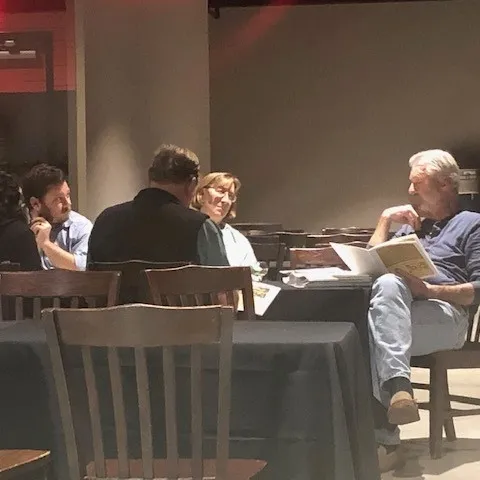
Cheese And Yogurt Workshop

March 20, 2019
Cheese And Yogurt Workshop By Michelle Stahnke UCCE Master Food Preserver Have you ever thought making cheese or yogurt was a complicated process requiring a lot of fancy equipment, hands-on time, and a big mess?
View Article
Primary Image
New CalNat Academic Coordinator Sarah-Mae Nelson.
California Naturalist: Article

Introducing Sarah-Mae Nelson, our newest CalNat team member!

March 20, 2019
The California Naturalist Program gives a warm welcome to Sarah-Mae Nelson, our newest CalNat team member! Sarah-Mae recently joined the UC Agriculture & Natural Resources California Naturalist statewide program as the Academic Coordinator focusing on our new Climate Stewards Initiative.
View Article
Primary Image
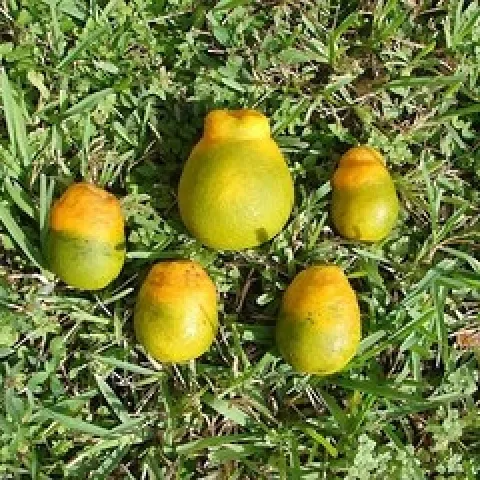
lemons with some nipples
Topics in Subtropics: Article

Why is Lemon Sour?

March 20, 2019
By Ben A Faber
Now we know A team of researchers, including two from the University of California, Riverside, has identified the genes responsible for the hallmark sour taste of many citrus fruits. Published Tuesday, Feb.
View Article
Primary Image
A painted lady, Vanessa cardui, photographed on lantana in Vacaville in 2015. (Photo by Kathy Keatley Garvey)

Painted Ladies on the Move

March 19, 2019
By Kathy Keatley Garvey
The painted ladies are on the move. Have you seen these migratory butterflies, Vanessa cardui, passing through California on their way to the Pacific Northwest? Me? No! Zero. Zilch. Zip.
View Article
Primary Image
Joseph Nosrat
Hansen News: Article

Spring Intern at HAREC!

March 19, 2019
By Susana Bruzzone-Miller
A new intern joins the Education Team this spring. Meet Joseph Nosrat, Environmental Communications senior at CSU Channel Islands (CSUCI). Joseph obtained an Associate Degree at Mt. San Antonio College.
View Article
Colusa County: Article

Sacramento Valley Walnut News-Spring 2019 Contents:

March 19, 2019
Orchard Management Considerations: Budbreak through Early Summer 2019 IPM Breakfast Meetings Walnut Blight Management in 2019 Revisiting Your Codling Moth IPM Program In A Lean Crop Year Pulling the trigger for the state of irrigation in the spring: Too much too soon for walnuts?
View Article
Article

Workgroups, Program Teams and Strategic Initiatives - Where are we?

March 19, 2019
By Pamela S Kan-Rice
A major factor in job satisfaction is the extent to which people feel part of a wider supportive community. Such connections have historically been offered in UC ANR through various means, including our structural units (i.e., our 81 workgroups, 21 program teams and 5 strategic initiatives).
View Article