A Natural Solution for California's Herds: African Catfish Peptides

California's cattle producers and agricultural communities are all too familiar with the rising challenge of antibiotic resistance, making common bacterial infections harder to treat in livestock. But imagine a future where we could tackle these infections with a natural, powerful alternative. Our research points to just that: antimicrobial peptides (AMPs) found in African catfish.

We're really excited about these peptides because African catfish thrive in pathogen-rich freshwater, naturally producing these robust immune compounds in their skin mucus as a defense. This natural origin makes them highly appealing alternatives to synthetic drugs.

Predicted Safety and Potent Action

One of the most compelling aspects of these AMPs is their predicted safety for mammals. Our initial computer analyses suggest that various catfish AMPs are generally recognized as safe (GRAS). We predict they'll be absorbed in the human intestine without causing liver, brain, or heart toxicity. Furthermore, lab tests on a promising peptide, NACAP-II, confirmed it was non-hemolytic, meaning it didn't damage rabbit red blood cells—a strong indicator of its potential safety for mammalian cells.

Beyond safety, these peptides demonstrate effectiveness against problematic bacteria. One study revealed NACAP-II's strong activity against Extended-Spectrum Beta-Lactamase (ESBL)-producing Escherichia coli—a critical concern for both animal and human health due to its resistance to many common antibiotics. Another peptide, ACAP-IV, also showed antibacterial activity against E. coli and Staphylococcus aureus. We believe these AMPs work by directly disrupting bacterial cell membranes, a mechanism that makes it harder for bacteria to develop resistance compared to how they resist traditional antibiotics.

San Benito County: Article

4-H Updates

September 5, 2018
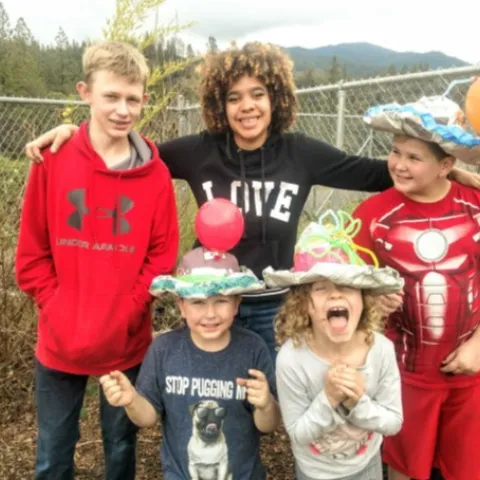
Hello 4-H Families, Congratulation to all the 4-H members on their accomplishments and winnings at the Monterey County Fair. It was a nice to see all the 4-H member working together on show days at the fair. We are now gearing up for the Santa Cruz County fair next week.
View Article
Colusa County: Article

September 2018

September 5, 2018
Book of the Month - Garden.org Ornamental Plant of the Month - Kangaroo Paw Edible Plant of the Month - Upcoming Season Recipe of the Month - Grilled Steak with Watermelon Salad Gourd workshop Your homework in September is to make an emergency plan. See our safety note to help you be prepared.
View Article
Primary Image
This image of UCCE forestry advisor Susie Kocher is one of four choices for the ANR one-pager.
ANR Employee News: Article

'We Are UC ANR' items added to Brand Toolkit

September 5, 2018
By Pamela S Kan-Rice
A couple of items have been posted to the Telling Our Story section of the ANR Branding Toolkit. You'll now find the We Are UC ANR video as well as the We Are UC ANR one-sheet flyers.
View Article
Primary Image
citrus display
Topics in Subtropics: Article

California Citrus Acreage - 2018

September 5, 2018
By Ben A Faber
2018 California Citrus Acreage Report The Pacific Regional Office of the USDA's National Agricultural Statistics Service (NASS) conducts an acreage survey of California citrus growers as funding is available.
View Article
Cooperative Extension, Sutter-Yuba Counties: Article

Ranch Update - September, 2018

September 5, 2018
Upcoming Workshops California Sheep and Goat Grazing School Establishing Irrigated Pasture Field Workshop So You Want to Start a Farm or Ranch Grazing Technology Field Day...
View Article
UC Cooperative Extension - Madera County: Article

Almond Mating Disruption Meeting

September 5, 2018
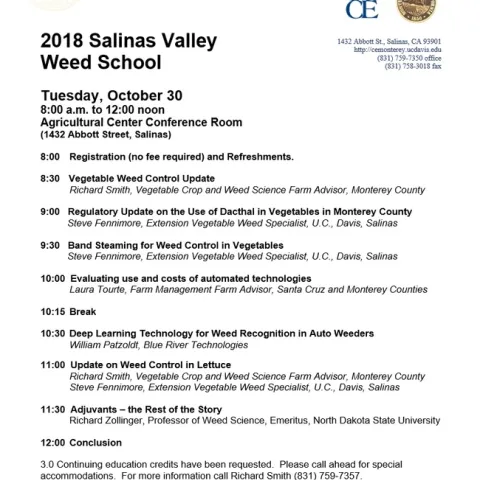
Kris Tollerup will be holding a meeting on mating disruption at the Kearney REC in Parlier, California on September 25. 2.5 units of other credits will be offered. For more information, please see the attached flier.
View Article