A Natural Solution for California's Herds: African Catfish Peptides

California's cattle producers and agricultural communities are all too familiar with the rising challenge of antibiotic resistance, making common bacterial infections harder to treat in livestock. But imagine a future where we could tackle these infections with a natural, powerful alternative. Our research points to just that: antimicrobial peptides (AMPs) found in African catfish.

We're really excited about these peptides because African catfish thrive in pathogen-rich freshwater, naturally producing these robust immune compounds in their skin mucus as a defense. This natural origin makes them highly appealing alternatives to synthetic drugs.

Predicted Safety and Potent Action

One of the most compelling aspects of these AMPs is their predicted safety for mammals. Our initial computer analyses suggest that various catfish AMPs are generally recognized as safe (GRAS). We predict they'll be absorbed in the human intestine without causing liver, brain, or heart toxicity. Furthermore, lab tests on a promising peptide, NACAP-II, confirmed it was non-hemolytic, meaning it didn't damage rabbit red blood cells—a strong indicator of its potential safety for mammalian cells.

Beyond safety, these peptides demonstrate effectiveness against problematic bacteria. One study revealed NACAP-II's strong activity against Extended-Spectrum Beta-Lactamase (ESBL)-producing Escherichia coli—a critical concern for both animal and human health due to its resistance to many common antibiotics. Another peptide, ACAP-IV, also showed antibacterial activity against E. coli and Staphylococcus aureus. We believe these AMPs work by directly disrupting bacterial cell membranes, a mechanism that makes it harder for bacteria to develop resistance compared to how they resist traditional antibiotics.
Primary Image
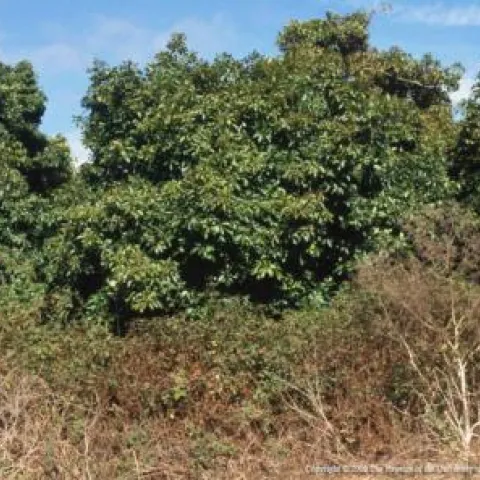
Weeds bordering avocado orchard
UC Weed Science (weed control, management, ecology, and minutia): Article

New class of herbicides?

September 13, 2018
By Ben A Faber
From the Topics in Subtropics blog A garden can be a competitive environment. Plants and unseen microorganisms in the soil all need precious space to grow. And to gain that space, a microbe might produce and use chemicals that kill its plant competitors.
View Article
Primary Image
Shirley Luckhart, ESA Founders' Memorial Award recipient
Entomology & Nematology News: Article

Shirley Luckhart to Deliver ESA's Founders' Memorial Award Lecture

September 13, 2018
By Kathy Keatley Garvey
Molecular biologist Shirley Luckhart, a former UC Davis professor who joined the University of Idaho faculty and administration in 2017, has been selected to deliver the Founders' Memorial Award Lecture at Entomology 2018, the joint annual meeting of the Entomological Societies of America, Canada, a...
View Article
Glenn County: Article

California Dairy Newsletter - September 2018

September 13, 2018
Heat Stress Impact on Cows.... 1 Forage Nutrient Yields............. 2 Sorghum Characteristics.......... 3 New Soils Advisor................... 4 Reducing Methane Emissions.. 5 Survey on Antibiotic Use.........
View Article
Primary Image
Female structures with dangling yellow spores
Nursery and Flower Grower: Article

Liverworts everywhere, and here's why (continued)

September 12, 2018
By Steven A Tjosvold
Spores are key to the success of the liverwort Spores are derived from sexual recombination, which provides the mechanism for new adaptations to the nursery and greenhouse environment. A single female reproductive structure produces thousands of spores. They are very tiny (less than 3.
View Article
Primary Image
Mantidflies use their front legs to catch small insect prey. This one was collected by John De Benedictis at the UC Davis Stebbens Cold Canyon Reserve. (Snapshot by Kathy Keatley Garvey)
Bug Squad: Article

Ever Seen a Mantidfly?

September 12, 2018
By Kathy Keatley Garvey
Ever seen a mantidfly, also called a mantisfly? Bohart Museum of Entomology associate John De Benedictis, aka "Moth Man," brought a mantidfly, an insect that's parasitic to spiders, to the museum on Tuesday.
View Article