A Natural Solution for California's Herds: African Catfish Peptides

California's cattle producers and agricultural communities are all too familiar with the rising challenge of antibiotic resistance, making common bacterial infections harder to treat in livestock. But imagine a future where we could tackle these infections with a natural, powerful alternative. Our research points to just that: antimicrobial peptides (AMPs) found in African catfish.

We're really excited about these peptides because African catfish thrive in pathogen-rich freshwater, naturally producing these robust immune compounds in their skin mucus as a defense. This natural origin makes them highly appealing alternatives to synthetic drugs.

Predicted Safety and Potent Action

One of the most compelling aspects of these AMPs is their predicted safety for mammals. Our initial computer analyses suggest that various catfish AMPs are generally recognized as safe (GRAS). We predict they'll be absorbed in the human intestine without causing liver, brain, or heart toxicity. Furthermore, lab tests on a promising peptide, NACAP-II, confirmed it was non-hemolytic, meaning it didn't damage rabbit red blood cells—a strong indicator of its potential safety for mammalian cells.

Beyond safety, these peptides demonstrate effectiveness against problematic bacteria. One study revealed NACAP-II's strong activity against Extended-Spectrum Beta-Lactamase (ESBL)-producing Escherichia coli—a critical concern for both animal and human health due to its resistance to many common antibiotics. Another peptide, ACAP-IV, also showed antibacterial activity against E. coli and Staphylococcus aureus. We believe these AMPs work by directly disrupting bacterial cell membranes, a mechanism that makes it harder for bacteria to develop resistance compared to how they resist traditional antibiotics.

Master Food Preserver Program of San Diego County: Page

Frequently Asked Questions

Question:  Can I reuse canning jar lids and rings?Answer:   Screw-on Canning Rings may be reused unless they are showing signs of wear or rust. Canning Lids should not be reused as the adhesive ring wears out and they may fail to seal.  The only exception to this rule is the Tattler…
View Page
UC Master Gardeners of Humboldt & Del Norte Counties: Page

Pests & Weeds

Integrated Pest Management (IPM)Weeds: Identifying and ControllingCurrent Pest & Disease IssuesJumping WormPierce's Disease
View Page
Event Primary Image
Fall plant exchange
UC Master Gardeners of Solano County: Event

Fall Plant Exchange

Event Date
Sep 20, 2025

Fall is an ideal time for planting, benefiting both plants and gardeners. The warm soil and cooler air help roots establish and store nutrients, leading to stronger, more drought- and heat-tolerant plants in spring. Fall plantings also need less watering as temperatures drop and rain increases. Mulching…
UC Master Gardeners of Solano County
View Event
Event Primary Image
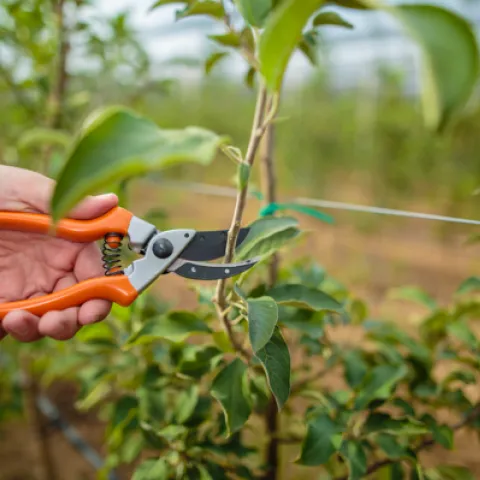
pruning trees
UC Master Gardeners of Amador County: Event

Fruit Tree Pruning | Amador County

Event Date
Sep 13, 2025

Late summer and early fall, after harvest, is a perfect time for pruning your fruit trees. Yes, traditional wisdom says to prune in the winter when the trees are dormant, but it can be REALLY cold then so late summer pruning could be much more comfortable. Our Master Gardener experts will provide a hands-on…
UC Master Gardeners of Amador County
View Event
Primary Image
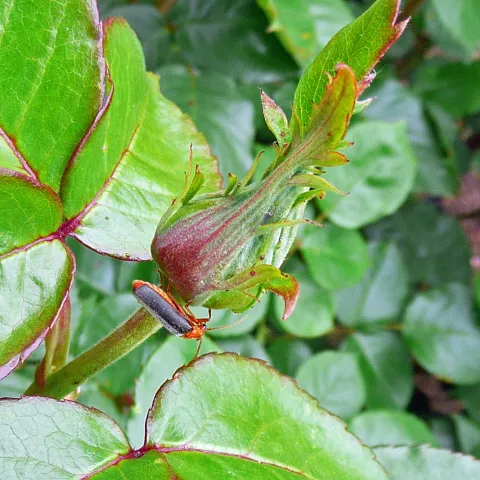
Soldier beetle
UC Marin Master Gardeners: Article

A kind approach to growing roses

August 4, 2025
By Bonnie A Nielsen
 With their timeless beauty and grace, roses are often considered jewels of the garden.  They also have the reputation for being persnickety plants that are high-maintenance and heavily dependent on chemical fertilizers and pesticides. Today’s gardeners are looking for easier and gentler ways of…
View Article
Primary Image
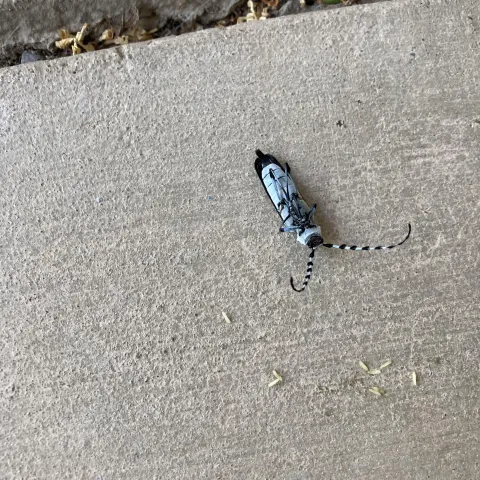
Banded alder borer insect on concrete
Under the Solano Sun: Article

Banded Alder Beetle

August 4, 2025
By Jennifer M Baumbach
Blog by Michelle DavisAlmost a month ago, I stepped out onto my patio to discover an insect I had never seen before. She was about 1 ½ inches long, not counting her long antennae. What was striking about her was the coloration: alternating bands of light blue and black, even on the antennae. Her entire…
View Article
ANR Contracts & Grants Updates: Article

FY26 USDA NIFA AFRI

August 4, 2025
By Kendra T Rose
The USDA National Institute of Food and Agriculture (NIFA) has released the FY2026 Agriculture and Food Research Initiative (AFRI) – Foundational and Applied Science (FAS) Program Request for Applications (RFA). The goal of this program is to invest agricultural production research, education, and extension…
View Article
Event Primary Image
African American Farmers of California Small Farms Conference
Grown in Marin: Event

African American Farmers of California Small Farms Conference

Event Date
Sep 25, 2025 - Sep 27, 2025

September 25: Ag Tour September 26: 2025 Farmers ConferenceSeptember 27: African American Farmers of California demonstration site hands-on training and sweet potaato harvest  Keynote speaker: Dr. Rolston St. Hilaire This event is hosted by the African American Farmers of California. For…
Grown in Marin
View Event
Primary Image
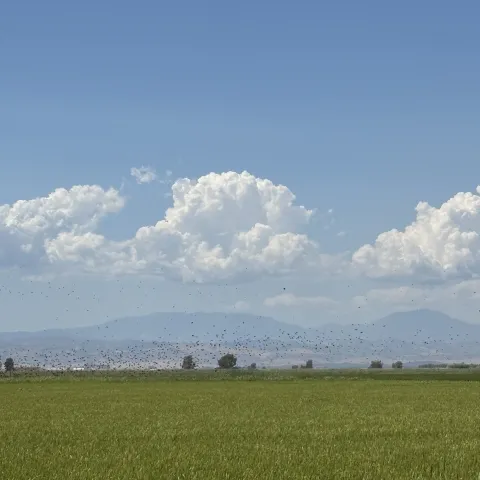
blackbirds in rice field
UC Rice Blog: Article

Blackbird Damage

August 4, 2025
By Sarah Marsh Janish
 Recently, I have been getting questions about possible bird damage in early-heading rice fields. Blackbirds, primarily red-winged blackbirds, can damage rice from planting season, seedling stage, and the ripening period; however, in California, where the majority of our rice is water-seeded, typically…
View Article