A Natural Solution for California's Herds: African Catfish Peptides

California's cattle producers and agricultural communities are all too familiar with the rising challenge of antibiotic resistance, making common bacterial infections harder to treat in livestock. But imagine a future where we could tackle these infections with a natural, powerful alternative. Our research points to just that: antimicrobial peptides (AMPs) found in African catfish.

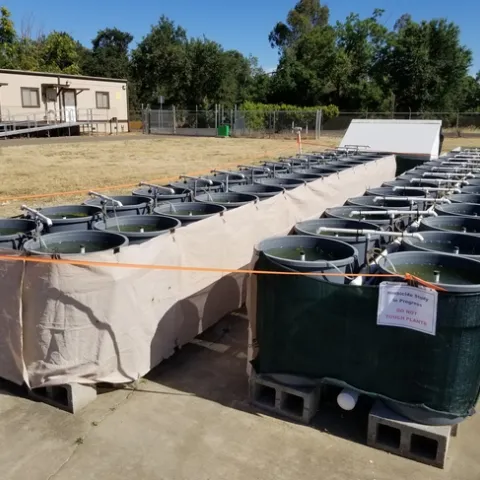
We're really excited about these peptides because African catfish thrive in pathogen-rich freshwater, naturally producing these robust immune compounds in their skin mucus as a defense. This natural origin makes them highly appealing alternatives to synthetic drugs.

Predicted Safety and Potent Action

One of the most compelling aspects of these AMPs is their predicted safety for mammals. Our initial computer analyses suggest that various catfish AMPs are generally recognized as safe (GRAS). We predict they'll be absorbed in the human intestine without causing liver, brain, or heart toxicity. Furthermore, lab tests on a promising peptide, NACAP-II, confirmed it was non-hemolytic, meaning it didn't damage rabbit red blood cells—a strong indicator of its potential safety for mammalian cells.

Beyond safety, these peptides demonstrate effectiveness against problematic bacteria. One study revealed NACAP-II's strong activity against Extended-Spectrum Beta-Lactamase (ESBL)-producing Escherichia coli—a critical concern for both animal and human health due to its resistance to many common antibiotics. Another peptide, ACAP-IV, also showed antibacterial activity against E. coli and Staphylococcus aureus. We believe these AMPs work by directly disrupting bacterial cell membranes, a mechanism that makes it harder for bacteria to develop resistance compared to how they resist traditional antibiotics.
Under the Solano Sun: Article

The Changing Landscape

May 21, 2018
Originally I was going to title this little essay The Changing Garden, but decided to switch the title.
View Article
Colusa County: Article

Garden Chat

May 21, 2018
Garden Chat Tuesday May 22, 1-2 pm Arbuckle Library Come and chat with your fellow gardeners!...
View Article
Primary Image
conyza canadensis
Topics in Subtropics: Article

Citrus/Avocado Herbicide Update

May 21, 2018
By Ben A Faber
With the rains, and in those area where fire took out the competition, weeds are coming back in their glory. Mustard has painted the hills yellow. The question comes up, what to do about all that wild growth. Mechanical control, such as discing or whipping can work great.
View Article
Primary Image
apricot
HOrT COCO-UC Master Gardener Program of Contra Costa: Article

My Apricot Tree Didn't Produce Fruit This Year

May 21, 2018
Advice for the Home Gardener from the Help Desk of the UC Master Gardener Program of Contra Costa County Client's Request: I've managed to grow an apricot tree from seed. It's now big enough that it has produced a few apricots in prior years.
View Article
Primary Image
Steketee IC cultivating three 80-inch wide beds
UC Weed Science (weed control, management, ecology, and minutia): Article

Update on Automated Weeders

May 20, 2018
By Richard F Smith
In vegetable production, growers cultivate most of the bed leaving only a 4-inch wide uncultivated band around the seedline. Weeds not controlled by preemergent herbicides or cultural practices in the uncultivated band are ultimately controlled by hand.
View Article
Primary Image
elko 5-20-18
Ranching in the Sierra Foothills: Article

The LGD Journal - #5

May 20, 2018
By Daniel K Macon
Now that our Pyrenees x Akbash "puppy" Elko has nearly reached full-size, I have difficulty remembering he's still a puppy - a 120-pound puppy, but a puppy nonetheless. There are signs, however, that his brain is catching up with his body! Here are a few updates and observations.
View Article
Primary Image
Pipevine swallowtails at the UC Davis Arboretum. (Photo by Kathy Keatley Garvey)

It's Pollinator Discovery Day Sunday at UC Davis

May 18, 2018
By Kathy Keatley Garvey
Meet the pollinators, And meet the UC Davis researchers, UC Master Gardeners, students and community members who study them or promote them. That's what's planned on Sunday, May 20 at an event sponsored by the UC Davis Arboretum and Public Garden and the UC Master Gardeners from 1 to 4 p.m.
View Article
Stanislaus County: Article

Evapotranspiration Report - 5/17/2018

May 18, 2018
Hello all, Please find the attached document to provide the previous weeks estimated water use report in terms of evapotranspiration for almonds, peaches, walnuts, established vineyard, alfalfa and pasture in Stanislaus County.
View Article