A Natural Solution for California's Herds: African Catfish Peptides

California's cattle producers and agricultural communities are all too familiar with the rising challenge of antibiotic resistance, making common bacterial infections harder to treat in livestock. But imagine a future where we could tackle these infections with a natural, powerful alternative. Our research points to just that: antimicrobial peptides (AMPs) found in African catfish.

We're really excited about these peptides because African catfish thrive in pathogen-rich freshwater, naturally producing these robust immune compounds in their skin mucus as a defense. This natural origin makes them highly appealing alternatives to synthetic drugs.

Predicted Safety and Potent Action

One of the most compelling aspects of these AMPs is their predicted safety for mammals. Our initial computer analyses suggest that various catfish AMPs are generally recognized as safe (GRAS). We predict they'll be absorbed in the human intestine without causing liver, brain, or heart toxicity. Furthermore, lab tests on a promising peptide, NACAP-II, confirmed it was non-hemolytic, meaning it didn't damage rabbit red blood cells—a strong indicator of its potential safety for mammalian cells.

Beyond safety, these peptides demonstrate effectiveness against problematic bacteria. One study revealed NACAP-II's strong activity against Extended-Spectrum Beta-Lactamase (ESBL)-producing Escherichia coli—a critical concern for both animal and human health due to its resistance to many common antibiotics. Another peptide, ACAP-IV, also showed antibacterial activity against E. coli and Staphylococcus aureus. We believe these AMPs work by directly disrupting bacterial cell membranes, a mechanism that makes it harder for bacteria to develop resistance compared to how they resist traditional antibiotics.

Primary Image
Millions of photos of avocado toast are posted to Instagram every day. (Photo: Pixabay)
ANR News Blog: Article

Avocados go from Meso-American backyards to 'world domination'

May 10, 2018
By Jeannette Warnert
Avocados, now riding a tide of popularity appearing on toast in cookbooks and trendy restaurant menus, came late to commercial agriculture, reported Cynthia Graber and Nicola Twilley in Gastropod, a podcast that looks at food through the lens of science and history.
View Article
Primary Image
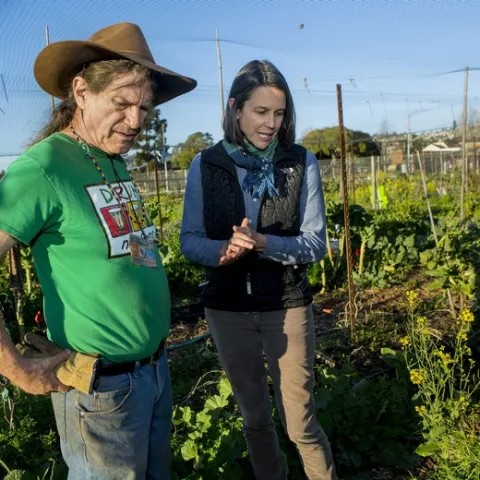
Jennifer Sowerwine discusses plantings with Jon Hoffman, farm manager of the UC Gill Tract Community Farm in Albany. PHOTO: Saul Bromberger
Healthy Communities Blog: Article

Continuing the mission of UC Cooperative Extension

May 10, 2018
By Julie Gipple
Jennifer Sowerwine helps restore culturally relevant food systems to immigrant and Native American populations The Karuk Tribe once lived on more than a million acres in remote Northern California.
View Article
ANR Adventures: Article

Thursday anticipation

May 10, 2018
By Wendy Powers
It's finally Thursday! All week I've been off on my days, for some reason thinking it was Thursday each day. I chalk it up to trying out more powerful allergy meds.
View Article
Primary Image
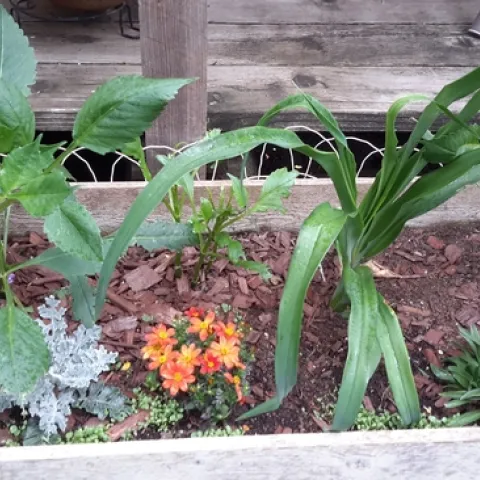
photos by Betty Victor

Planter Boxes

May 9, 2018
At the end of fall last year, I decided to redo the planter boxes on the outside of my deck. They had a variety of sage and salvia as plantings within. The plants were old and not looking well, so I decided it was a chance to plant something new.
View Article
Intermountain REC News: Article

USDA Informational Meeting Tuesday, May 15

May 9, 2018
By Laurie Askew
The Farm Service Agency offices in Klamath, Modoc and Siskiyou counties are planning an informational meeting on Tuesday May 15. The meeting will begin at 10 a.m. at the Merrill Civic Center 365 Front Street, Merrill Oregon.
View Article
Primary Image
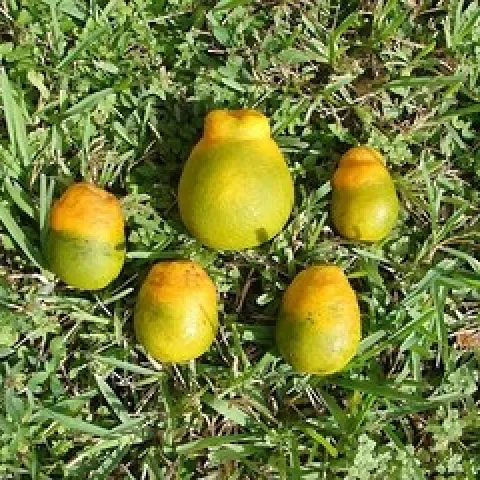
hlb defprmed citrus
Topics in Subtropics: Article

Report on HLB Research

May 9, 2018
By Ben A Faber
The Citrus Research and Development Foundation (CRDF), a $124 million state citrus-industry initiative, has invested nearly 90 percent of its funds in HLB research.
View Article