A Natural Solution for California's Herds: African Catfish Peptides

California's cattle producers and agricultural communities are all too familiar with the rising challenge of antibiotic resistance, making common bacterial infections harder to treat in livestock. But imagine a future where we could tackle these infections with a natural, powerful alternative. Our research points to just that: antimicrobial peptides (AMPs) found in African catfish.

We're really excited about these peptides because African catfish thrive in pathogen-rich freshwater, naturally producing these robust immune compounds in their skin mucus as a defense. This natural origin makes them highly appealing alternatives to synthetic drugs.

Predicted Safety and Potent Action

One of the most compelling aspects of these AMPs is their predicted safety for mammals. Our initial computer analyses suggest that various catfish AMPs are generally recognized as safe (GRAS). We predict they'll be absorbed in the human intestine without causing liver, brain, or heart toxicity. Furthermore, lab tests on a promising peptide, NACAP-II, confirmed it was non-hemolytic, meaning it didn't damage rabbit red blood cells—a strong indicator of its potential safety for mammalian cells.

Beyond safety, these peptides demonstrate effectiveness against problematic bacteria. One study revealed NACAP-II's strong activity against Extended-Spectrum Beta-Lactamase (ESBL)-producing Escherichia coli—a critical concern for both animal and human health due to its resistance to many common antibiotics. Another peptide, ACAP-IV, also showed antibacterial activity against E. coli and Staphylococcus aureus. We believe these AMPs work by directly disrupting bacterial cell membranes, a mechanism that makes it harder for bacteria to develop resistance compared to how they resist traditional antibiotics.

Primary Image
Screen Shot 2018-05-28 at 11.26.53 AM
ANR Employee News: Article

IT implements new login process May 29

May 28, 2018
By Pamela S Kan-Rice
On May 29, 2018, IT will be implementing a new login process, which may affect your access to services and applications. The following information is available with screen captures at http://anrcs.ucanr.edu/isc/access.
View Article
Primary Image
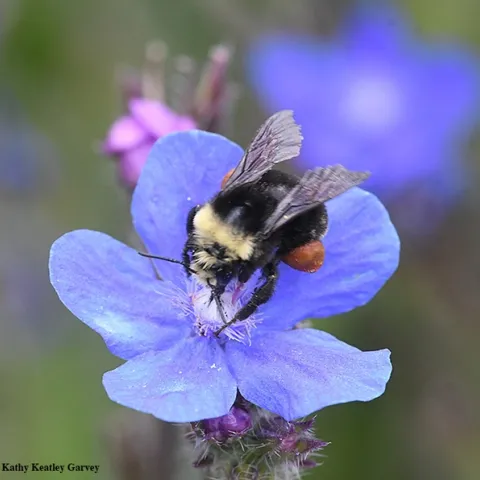
A yellow-faced bumble bee, Bombus vosnesenkii, nectaring on Anchusa azurea, of the borage family. (Photo by Kathy Keatley Garvey)
Bug Squad: Article

Why Timing Is Everything in Bumble Bee Colonies

May 28, 2018
By Kathy Keatley Garvey
Timing is everything. Especially when it comes to bumble bee colonies. Postdoctoral scholar Rosemary Malfi of the Neal Williams lab, University of California, Davis, will speak on Timing Is Everything: Bumble Bee Colony Performance in Response to Seasonal Variation in Resources at 4:10 p.m.
View Article
Primary Image
soaker-hose-tomato
HOrT COCO-UC Master Gardener Program of Contra Costa: Article

Tomatoes Not Producing

May 28, 2018
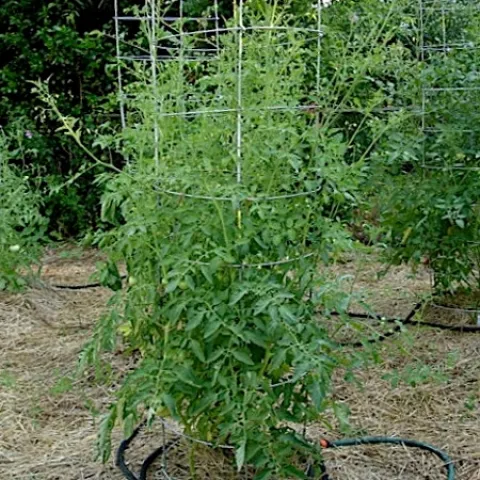
Advice for the Home Gardener from the Help Desk of the UC Master Gardener Program of Contra Costa County Client's Request: Why no tomatoes? Starting to get lots of flowers but almost NO tomatoes? Plants look very healthy.
View Article
Primary Image
coyote
Topics in Subtropics: Article

Coyote Tastes

May 27, 2018
By Ben A Faber
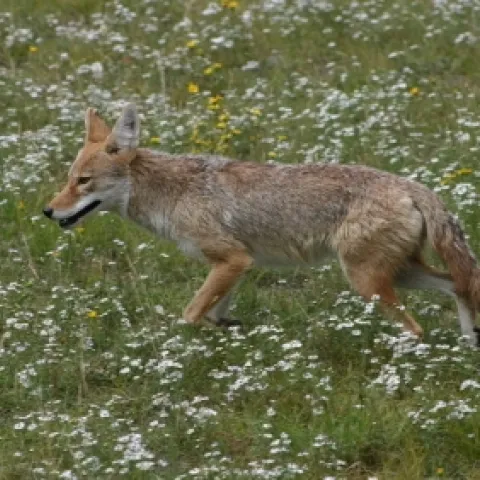
Forrest Gump believed life was like a box of chocolates you never know what you're going to get inside. It's much the same for graduate student Danielle Martinez, except she isn't reaching for tasty chocolates. She's digging into coyote stomachs.
View Article
Primary Image
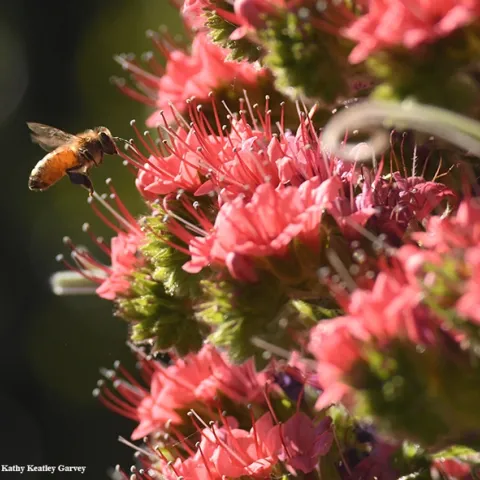
A honey bee heads for a tower of jewels, Echium wildpretii, a biennual. This image was taken in Vacaville, Calif. (Photo by Kathy Keatley Garvey)
Bug Squad: Article

Tower of Jewels: Aptly Named

May 25, 2018
By Kathy Keatley Garvey
Let's hear it for the tower of jewels, Echium wildpretii. Native to the island of Tenerife and belonging to the family Boraginaceae, it can tower as high as a 10-foot Christmas tree. It's a biennial, meaning that it takes two growing seasons to complete its life cycle.
View Article
Primary Image
CCOF Logo
Farming in the Foothills: Article

What is One Burning Question you have about Agriculture?

May 25, 2018
By Cindy Fake
At a recent beginning farming workshop, that was the exact question that was posed to an earnest group of beginning farmers. Many of you may have similar questions so this post answers a few of them.
View Article
Stanislaus County: Article

Evapotranspiration Report - 5/24/2018

May 25, 2018
Hello all, Please find the attached document to provide the previous weeks estimated water use report in terms of evapotranspiration for almonds, peaches, walnuts, established vineyard, alfalfa and pasture in Stanislaus County.
View Article
Colusa County: Article

June 2018 4-H News

May 24, 2018
In this issue, you will find: STEM themed day camp tentatively scheduled for August 4 Fair reminders Record Book/Officer's Book Workshop California State Field Day June 2 LEGO Workshop pictures Fashion Revue pictures and much, much more!...
View Article