A Natural Solution for California's Herds: African Catfish Peptides

California's cattle producers and agricultural communities are all too familiar with the rising challenge of antibiotic resistance, making common bacterial infections harder to treat in livestock. But imagine a future where we could tackle these infections with a natural, powerful alternative. Our research points to just that: antimicrobial peptides (AMPs) found in African catfish.

We're really excited about these peptides because African catfish thrive in pathogen-rich freshwater, naturally producing these robust immune compounds in their skin mucus as a defense. This natural origin makes them highly appealing alternatives to synthetic drugs.

Predicted Safety and Potent Action

One of the most compelling aspects of these AMPs is their predicted safety for mammals. Our initial computer analyses suggest that various catfish AMPs are generally recognized as safe (GRAS). We predict they'll be absorbed in the human intestine without causing liver, brain, or heart toxicity. Furthermore, lab tests on a promising peptide, NACAP-II, confirmed it was non-hemolytic, meaning it didn't damage rabbit red blood cells—a strong indicator of its potential safety for mammalian cells.

Beyond safety, these peptides demonstrate effectiveness against problematic bacteria. One study revealed NACAP-II's strong activity against Extended-Spectrum Beta-Lactamase (ESBL)-producing Escherichia coli—a critical concern for both animal and human health due to its resistance to many common antibiotics. Another peptide, ACAP-IV, also showed antibacterial activity against E. coli and Staphylococcus aureus. We believe these AMPs work by directly disrupting bacterial cell membranes, a mechanism that makes it harder for bacteria to develop resistance compared to how they resist traditional antibiotics.
UCCE in the County of San Luis Obispo: Article

Avocado Seminar April 2018

April 11, 2018
April issue of Avocado Notes - Old and New Smart Agriculture. See attached flyer for meeting details. Please note the alternate meeting location for the San Luis Obispo meeting: Cal Poly Crops Unit, Building 17, Room 101/102; corner of Highland and Mt.
View Article
Primary Image
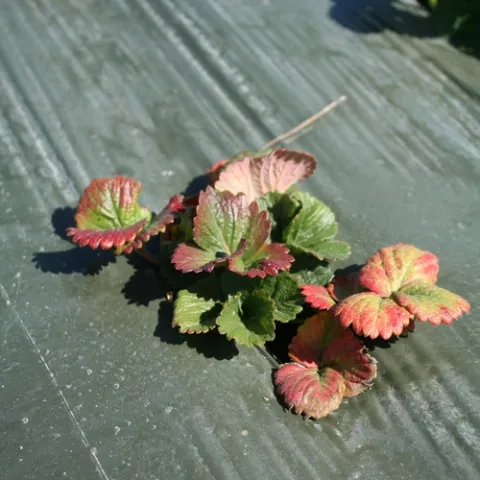
Stunted discolored plant. Excavation and partitioning of the crown gave no sign of disease.
Strawberries and Caneberries: Article

Root Asphyxiation in Strawberry

April 11, 2018
By Mark P Bolda
Interesting farm call here that at first piqued my attention as a possibly serious disease situation but in the end turned out to not be. See the photos below. Affected strawberry plants presented with discolored leaves and stunted growth typical of nutrient deficiency or viral infection.
View Article
Primary Image
photos by Betty Homer

Mission Heirloom Garden Cafe

April 11, 2018
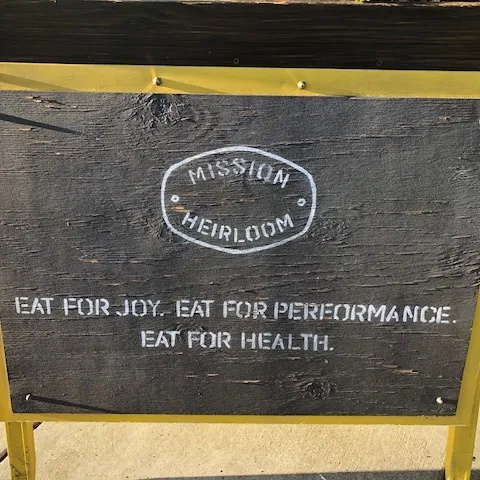
Some months ago, I was reading about the opening of a cafe/restaurant in San Francisco which served Paleo-oriented, non-GMO, and mostly grain-free cuisine, and that article referenced Mission Heirloom Garden Cafe in Berkeley, CA, as being the only other restaurant of its kind in the Bay Area.
View Article
Primary Image
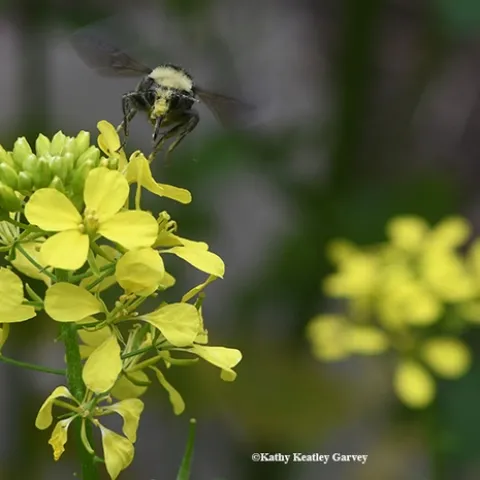
A pollen-laded yellow-faced bumble bee, Bombus vosnesenskii, buzzes toward a mustard blossom. (Photo by Kathy Keatley Garvey)

A Bumble Bee on Mustard in the Golden State

April 10, 2018
By Kathy Keatley Garvey
What's better than a yellow-faced bumble bee (Bombus vosnesenskii) on yellow mustard? Not much. Both are signs of early spring. Mustard is popping up all over, along with oxalyis and wild radish. The earth is warming. Spring is here. Get ready.
View Article
Article

New UCdavis Security Update@President Janet Napolitano

April 10, 2018
By Keith C Byrum
From: Alirameen Akram Sent: Sunday, April 8, 2018 4:53 AM Subject: New UCdavis Security Update@President Janet Napolitano Hi You have a Faculty E-Learning message notification file from your Department For security reasons, Your message has been encoded.
View Article
Primary Image
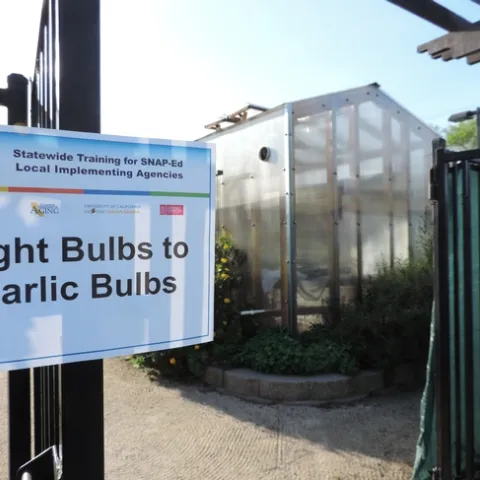
GW sign
UC CalFresh Tulare / Kings Counties: Article

School & Community Garden Workshop

April 10, 2018
By Denise Cuendett
Susan Lafferty and I attended this workshop for school and community gardens. This was a great hands on workshop to learn how to assess or plan a garden site. We learned about soil types, how to plot out your garden to harvest vegetables at a certain time and square foot gardening techniques.
View Article
Colusa County: Article

Monarch Butterfly & Milkweed workshop

April 10, 2018
When: Saturday April 14, 10 to noon Where: Colusa National Wildlife Refuge (Hwy 20 between Williams and Colusa) Fee: $5 includes a milkweed plant Learn about Monarch butterflies and why milkweed is so important. Lora Haller from the Sacramento Wildlife Refuge Complex will give the presentation.
View Article