A Natural Solution for California's Herds: African Catfish Peptides

California's cattle producers and agricultural communities are all too familiar with the rising challenge of antibiotic resistance, making common bacterial infections harder to treat in livestock. But imagine a future where we could tackle these infections with a natural, powerful alternative. Our research points to just that: antimicrobial peptides (AMPs) found in African catfish.

We're really excited about these peptides because African catfish thrive in pathogen-rich freshwater, naturally producing these robust immune compounds in their skin mucus as a defense. This natural origin makes them highly appealing alternatives to synthetic drugs.

Predicted Safety and Potent Action

One of the most compelling aspects of these AMPs is their predicted safety for mammals. Our initial computer analyses suggest that various catfish AMPs are generally recognized as safe (GRAS). We predict they'll be absorbed in the human intestine without causing liver, brain, or heart toxicity. Furthermore, lab tests on a promising peptide, NACAP-II, confirmed it was non-hemolytic, meaning it didn't damage rabbit red blood cells—a strong indicator of its potential safety for mammalian cells.

Beyond safety, these peptides demonstrate effectiveness against problematic bacteria. One study revealed NACAP-II's strong activity against Extended-Spectrum Beta-Lactamase (ESBL)-producing Escherichia coli—a critical concern for both animal and human health due to its resistance to many common antibiotics. Another peptide, ACAP-IV, also showed antibacterial activity against E. coli and Staphylococcus aureus. We believe these AMPs work by directly disrupting bacterial cell membranes, a mechanism that makes it harder for bacteria to develop resistance compared to how they resist traditional antibiotics.
UC Weed Science (weed control, management, ecology, and minutia): Article

A Tale of Two Grasses

April 24, 2017
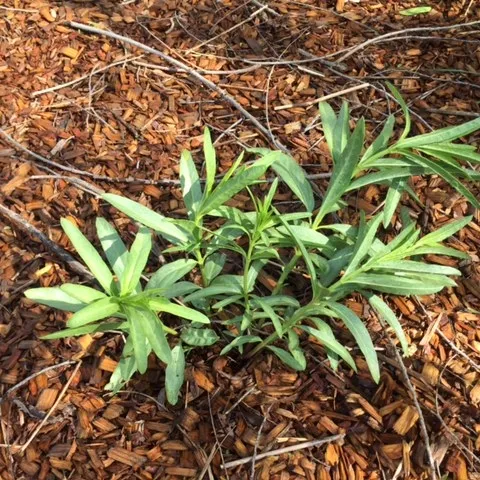
As you can tell by going through archived blogs on this site, medusahead (Taeniatherum caput-medusae) is an extremely popular grass. Well, an infamous one, perhaps. I am fairly certain that none of us actually like it.
View Article
Primary Image
arundo damage3d
Topics in Subtropics: Article

Biological Control of Giant Reed- Arundo

April 24, 2017
By Ben A Faber
Editor: Guy B Kyser The giant invasive grass arundo (Arundo donax), one of the weeds targeted under the USDA-ARS-funded Delta Region Areawide Aquatic Weed Project (DRAAWP), has been re-acquainted with one of its natural enemies imported from arundo's native range.
View Article
Bug Squad: Article

Seeing Spots at the Bohart

April 21, 2017
By Kathy Keatley Garvey
If you walk into the Bohart Museum of Entomology at the University of California, Davis, you'll see spots. No, don't contact your local opthamologist. Contact your local entomologist. This is Bug Country.
View Article
Primary Image
citrus
Topics in Subtropics: Article

Soil and Water pH Affect Root Health in HLB Citrus

April 19, 2017
By Ben A Faber
At the recent HLB Conference in Florida a paper was given that reinforces the need for appropriate soil and water pH to maximize root density and tree health. The industry there is dominated by a range of rootstocks and by Valencia-like varieties.
View Article
Primary Image
branch dieback on clementine
Topics in Subtropics: Article

Shoot and Twig Dieback of Citrus

April 19, 2017
By Ben A Faber
Recently, an outbreak of shoot and twig dieback disease of citrus has been occurring in the main citrus growing regions of the Central Valley of California (Fig 1).
View Article
Bug Squad: Article

Insect Wedding Photography in a Rose Garden

April 18, 2017
By Kathy Keatley Garvey
"I do! I do! I do!" Some of us engage in wedding photography. Not with humans. With insects. All you need is a bride, a groom and ahmmbedroom. That could be a leafy green bedroom in the rose garden where the lady beetles, aka ladybugs, are. Most of the time they're in the kitchen, eating aphids.
View Article
UC Weed Science (weed control, management, ecology, and minutia): Article

High Prevalence of Bur Buttercup

April 18, 2017
By Gale Perez
The weather pattern this year in the Intermountain Region of Northern California has been radically different from what we have seen the previous 4 years. In most years, high pressure usually moves in periodically sending Pacific cold fronts farther north and giving us periods of warm dry weather.
View Article
Bug Squad: Article

A Chance Encounter with an Ichneumon

April 17, 2017
By Kathy Keatley Garvey
So here's this lady beetle patrolling a rosebud. It's early spring--April 15--in Vacaville, Calif.--and our little subject is looking for some tasty aphids. Or perhaps a mate. Oh, a visitor is on my rosebud, heading right toward me.
View Article