A Natural Solution for California's Herds: African Catfish Peptides

California's cattle producers and agricultural communities are all too familiar with the rising challenge of antibiotic resistance, making common bacterial infections harder to treat in livestock. But imagine a future where we could tackle these infections with a natural, powerful alternative. Our research points to just that: antimicrobial peptides (AMPs) found in African catfish.

We're really excited about these peptides because African catfish thrive in pathogen-rich freshwater, naturally producing these robust immune compounds in their skin mucus as a defense. This natural origin makes them highly appealing alternatives to synthetic drugs.

Predicted Safety and Potent Action

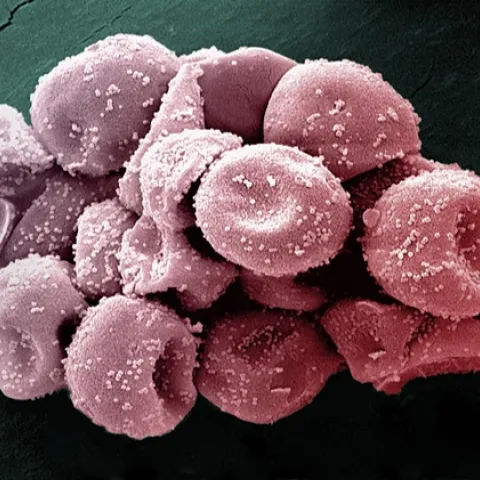
One of the most compelling aspects of these AMPs is their predicted safety for mammals. Our initial computer analyses suggest that various catfish AMPs are generally recognized as safe (GRAS). We predict they'll be absorbed in the human intestine without causing liver, brain, or heart toxicity. Furthermore, lab tests on a promising peptide, NACAP-II, confirmed it was non-hemolytic, meaning it didn't damage rabbit red blood cells—a strong indicator of its potential safety for mammalian cells.

Beyond safety, these peptides demonstrate effectiveness against problematic bacteria. One study revealed NACAP-II's strong activity against Extended-Spectrum Beta-Lactamase (ESBL)-producing Escherichia coli—a critical concern for both animal and human health due to its resistance to many common antibiotics. Another peptide, ACAP-IV, also showed antibacterial activity against E. coli and Staphylococcus aureus. We believe these AMPs work by directly disrupting bacterial cell membranes, a mechanism that makes it harder for bacteria to develop resistance compared to how they resist traditional antibiotics.
Confessions of a Backyard Beekeeper

December 8, 2016
By Kathy Keatley Garvey
Confessions of a Backyard Beekeeper. That's the title of a piece by former-Davis-mayor-turned-beekeeper Ann M. Evans in the newly published Ipinion Syndicate book, Cats, Dogs and Other Things that Poop in the Yard. "Here's what I know about honeybees," she began.
View Article
SJC and Delta Field Crops: Article

SJC and Delta Field Crops Meeting

December 6, 2016
By Michelle M Leinfelder-Miles
UC Cooperative Extension will host the SJC and Delta Field Crops Meeting on Friday, January 6, 2017 from 8:00am to 12:00pm. The meeting location is the Cabral Agricultural Center in Stockton (2101 E.Earhart Ave., Stockton, CA 95206).
View Article
UC Weed Science (weed control, management, ecology, and minutia): Article

Research on waterhyacinth biocontrol in the Sacramento / San Joaquin delta

December 6, 2016
By Guy Kyser
What if you could reduce cover and biomass of invasive aquatic weeds, such as waterhyacinth, all while sitting back with a glass of lemonade and watching nature do its job? No herbicides, no mechanical control, and no clogged up marinas or waterways.
View Article

Landmark Book Addresses California Bees, Blooms

December 6, 2016
By Kathy Keatley Garvey
If you're looking for a holiday gift for family and friends--or maybe yourself--think bees and blooms. Specifically, California bees and blooms. Even more specifically, undomesticated bees (that is, not honey bees).
View Article

What Are Those Red and Black Bugs on Milkweed?

December 5, 2016
By Kathy Keatley Garvey
Got milkweed? Then you probably have milkweed bugs. All summer and into fall, we spotted the familiar reddish, black and white bugs scurrying around on our showy milkweed, Asclepias speciosa, and tropical milkweed, Asclepias curassavica. Showy bugs on showy milkweed.
View Article
Primary Image
avocado rodent damage 2
Topics in Subtropics: Article

Watch Out for Those Rodents - They are After Your Trees

December 2, 2016
By Ben A Faber
redcThe hills have been dry for a long time, and the long dry fall is bringing animals into the avocado groves that normally stay out in the hills. They want the green cambium of trees and the moisture it provides. And especially rodents will have a field day in the well-maintained orchards.
View Article