A Natural Solution for California's Herds: African Catfish Peptides

California's cattle producers and agricultural communities are all too familiar with the rising challenge of antibiotic resistance, making common bacterial infections harder to treat in livestock. But imagine a future where we could tackle these infections with a natural, powerful alternative. Our research points to just that: antimicrobial peptides (AMPs) found in African catfish.

We're really excited about these peptides because African catfish thrive in pathogen-rich freshwater, naturally producing these robust immune compounds in their skin mucus as a defense. This natural origin makes them highly appealing alternatives to synthetic drugs.

Predicted Safety and Potent Action

One of the most compelling aspects of these AMPs is their predicted safety for mammals. Our initial computer analyses suggest that various catfish AMPs are generally recognized as safe (GRAS). We predict they'll be absorbed in the human intestine without causing liver, brain, or heart toxicity. Furthermore, lab tests on a promising peptide, NACAP-II, confirmed it was non-hemolytic, meaning it didn't damage rabbit red blood cells—a strong indicator of its potential safety for mammalian cells.

Beyond safety, these peptides demonstrate effectiveness against problematic bacteria. One study revealed NACAP-II's strong activity against Extended-Spectrum Beta-Lactamase (ESBL)-producing Escherichia coli—a critical concern for both animal and human health due to its resistance to many common antibiotics. Another peptide, ACAP-IV, also showed antibacterial activity against E. coli and Staphylococcus aureus. We believe these AMPs work by directly disrupting bacterial cell membranes, a mechanism that makes it harder for bacteria to develop resistance compared to how they resist traditional antibiotics.

Primary Image
Diaprepes Florida damage
Topics in Subtropics: Article

Diaprepes - What You Don't Want in Your Orchard

December 2, 2016
By Ben A Faber
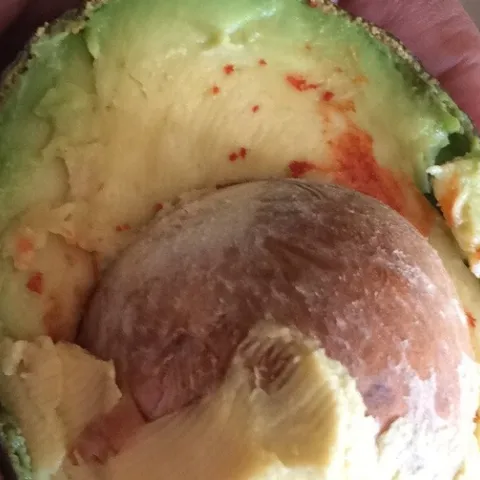
On a recent trip, we saw Diaprepes Root Weevil damage on avocado. It was feeding on the leaves, tattering them. The problem with this pest is that it also feeds on the roots, weakening the tree and opening it up to disease, such as Phytophthora.
View Article

How We Can Help the Bees Through Research

December 2, 2016
By Kathy Keatley Garvey
How can we help honey bees through research? That's the topic that Francis Ratnieks, professor of apiculture, University of Sussex, United Kingdom, will cover when he presents a seminar on Wednesday, Dec. 7 at the University of California, Davis.
View Article

Holiday Gifts Buggin' Ya?

December 1, 2016
By Kathy Keatley Garvey
So you're in a quandary. You have no idea what to get the nature lovers/insect enthusiasts on your holiday gift-giving list. It's buggin' ya. No worries. The UC Davis Entomology Graduate Students' Association (EGSA) to the rescue.
View Article

Norm Gary: Jazz Is Music to His Ears--But So Are the Bees

November 30, 2016
By Kathy Keatley Garvey
Jazz is music to his ears, but so are the bees. He's been beekeeping and playing the clarinet for 69 years. Meet Norman Gary of Citrus Heights, UC Davis emeritus professor of entomology who retired in 1994 after a 32-year academic career.
View Article
Primary Image
honey bee in avocado
Topics in Subtropics: Article

Another Mite Threatening Honeybees

November 29, 2016
By Ben A Faber
This article is from Florida Grower News. Thanks for Jim Lloyd-butler for pointing it out. FLG-Editorial@MeisterMediaww.
View Article

Well, Hello There, Tiny Monarch Caterpillar!

November 29, 2016
By Kathy Keatley Garvey
Talk about not getting the memo. We walked into our little pollinator garden in Vacaville, Calif., this afternoon to cut a few tropical milkweed stems to feed the indoor caterpillars, and there, hidden beneath a leaf, was a tiny caterpillar.
View Article

The Making of a Monarch

November 28, 2016
By Kathy Keatley Garvey
If you're addicted to monarchs--and lament that they're overwintering in coastal California and in central Mexico and nowhere near you--no worries.
View Article

Monarch Caterpillars--in November?

November 25, 2016
By Kathy Keatley Garvey
What a Thanksgiving surprise! No, the stuffed turkey didn't slip out of the oven and fall on the floor. Nor did the pumpkin pie turn another shade of orange. Some unexpected guests arrived--four to be exact.
View Article

Count Your Blessings--and Thank the Bees!

November 24, 2016
By Kathy Keatley Garvey
It's Thanksgiving. Count your blessings--and thank the bees. If your table includes pumpkin, cranberries, carrots, cucumbers, onions, apples, oranges, cherries, blueberries, grapefruit, persimmons, pomegranates, pears, sunflower seeds, and almonds, thank the bees for their pollination services.
View Article