A Natural Solution for California's Herds: African Catfish Peptides

California's cattle producers and agricultural communities are all too familiar with the rising challenge of antibiotic resistance, making common bacterial infections harder to treat in livestock. But imagine a future where we could tackle these infections with a natural, powerful alternative. Our research points to just that: antimicrobial peptides (AMPs) found in African catfish.

We're really excited about these peptides because African catfish thrive in pathogen-rich freshwater, naturally producing these robust immune compounds in their skin mucus as a defense. This natural origin makes them highly appealing alternatives to synthetic drugs.

Predicted Safety and Potent Action

One of the most compelling aspects of these AMPs is their predicted safety for mammals. Our initial computer analyses suggest that various catfish AMPs are generally recognized as safe (GRAS). We predict they'll be absorbed in the human intestine without causing liver, brain, or heart toxicity. Furthermore, lab tests on a promising peptide, NACAP-II, confirmed it was non-hemolytic, meaning it didn't damage rabbit red blood cells—a strong indicator of its potential safety for mammalian cells.

Beyond safety, these peptides demonstrate effectiveness against problematic bacteria. One study revealed NACAP-II's strong activity against Extended-Spectrum Beta-Lactamase (ESBL)-producing Escherichia coli—a critical concern for both animal and human health due to its resistance to many common antibiotics. Another peptide, ACAP-IV, also showed antibacterial activity against E. coli and Staphylococcus aureus. We believe these AMPs work by directly disrupting bacterial cell membranes, a mechanism that makes it harder for bacteria to develop resistance compared to how they resist traditional antibiotics.
UC Weed Science (weed control, management, ecology, and minutia): Article

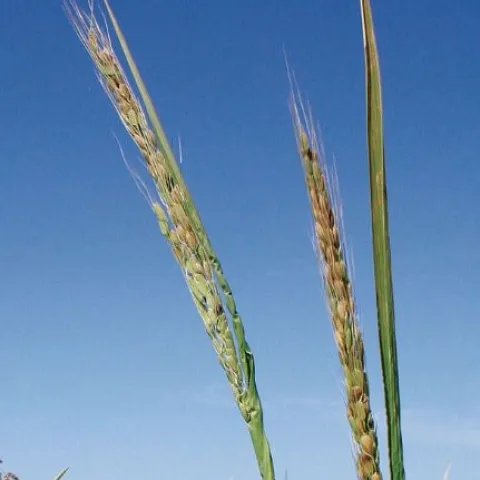
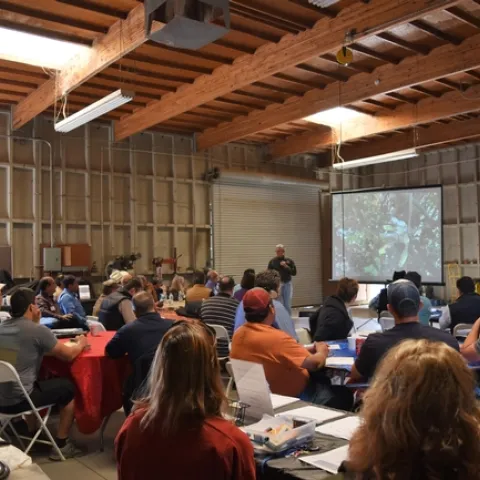
Sierra Valley Noxious Weed Tour: Pondering Soil Seed Life

August 29, 2016
By Thomas J Getts
Recently I was a participant on an educational noxious weed tour in Sierra Valley. It is a beautiful mountain valley where most agricultural production is devoted to grazing and hay production.
View Article

And Along Came a Wasp...

August 29, 2016
By Kathy Keatley Garvey
So here's this cute little reddish/orangish caterpillar munching away on a passionflower vine. It's Sunday and he's having Sunday dinner--after having Sunday breakfast and lunch and snacks in between, thank you. He's on his way to becoming a Gulf Fritillary (Agraulis vanillae) butterfly.
View Article
Primary Image
Moths per trap per week Aug25
UC Rice Blog: Article

Armyworm Season Coming to an End

August 29, 2016
By Luis Espino
Finally, the armyworm season seems to be over. Moth trapping shows that the numbers are decreasing to the lowest levels of the season. Additionally, most fields are ripening and therefore less susceptible to armyworm injury. Overall, armyworm infestations were not as severe as last year.
View Article

William Hazeltine II: His Passion, His Work Live On

August 26, 2016
By Kathy Keatley Garvey
Noted medical entomologist William Hazeltine II (1926-1994) made a difference. Today he continues to make a difference through his legacy--supporting mosquito research of UC Davis graduate students. Hazeltine, a U.S.
View Article

Forget the Soaps: Let's Talk Soapberry Bugs!

August 24, 2016
By Kathy Keatley Garvey
A soap opera is usually defined as a drama performed as a serial on daytime TV. But soapberry bugs and the people who study them are much more interesting! Forget the soaps; let's talk about soapberry bugs and an entomologist at the University of California, Davis, who studies them.
View Article

An Insect You May Overlook

August 23, 2016
By Kathy Keatley Garvey
If you're walking along the cliffs of Bodega Head, Sonoma County, you may overlook them. While you're watching for whales, scouting for seabirds and checking out the hikers, there's a lot of movement in the seaside daises (Erigeron glaucus) and seaside woolly sunflower (Eriophyllum staechadifolium).
View Article