A Natural Solution for California's Herds: African Catfish Peptides

California's cattle producers and agricultural communities are all too familiar with the rising challenge of antibiotic resistance, making common bacterial infections harder to treat in livestock. But imagine a future where we could tackle these infections with a natural, powerful alternative. Our research points to just that: antimicrobial peptides (AMPs) found in African catfish.

We're really excited about these peptides because African catfish thrive in pathogen-rich freshwater, naturally producing these robust immune compounds in their skin mucus as a defense. This natural origin makes them highly appealing alternatives to synthetic drugs.

Predicted Safety and Potent Action

One of the most compelling aspects of these AMPs is their predicted safety for mammals. Our initial computer analyses suggest that various catfish AMPs are generally recognized as safe (GRAS). We predict they'll be absorbed in the human intestine without causing liver, brain, or heart toxicity. Furthermore, lab tests on a promising peptide, NACAP-II, confirmed it was non-hemolytic, meaning it didn't damage rabbit red blood cells—a strong indicator of its potential safety for mammalian cells.

Beyond safety, these peptides demonstrate effectiveness against problematic bacteria. One study revealed NACAP-II's strong activity against Extended-Spectrum Beta-Lactamase (ESBL)-producing Escherichia coli—a critical concern for both animal and human health due to its resistance to many common antibiotics. Another peptide, ACAP-IV, also showed antibacterial activity against E. coli and Staphylococcus aureus. We believe these AMPs work by directly disrupting bacterial cell membranes, a mechanism that makes it harder for bacteria to develop resistance compared to how they resist traditional antibiotics.
UC Rice Blog: Article

Summary of the 2024 Variety Trails

June 26, 2025
By Bruce A Linquist
In 2024 we had eight variety trial locations. Four locations were in what we refer to as warmer locations (north of Hwy 20) and four in the cooler locations (south of Hwy 20 and into the Sacramento Delta region). These trails are funded by the Rice Research Board and fulfill at least two purposes. First,…
View Article
Primary Image
students listening to a teacher
UC Master Gardener Program Statewide Blog: Article

Growing Healthy Communities Together

June 26, 2025
By Kristian M Salgado-Jacobo
What happens when nutrition experts team up with gardening pros? Communities across California get healthier, one garden at a time.The partnership between CalFresh Healthy Living, UC, and the UC Master Gardener Program combines the best of both programs under UC Agriculture and Natural Resources. The UC…
View Article
Primary Image
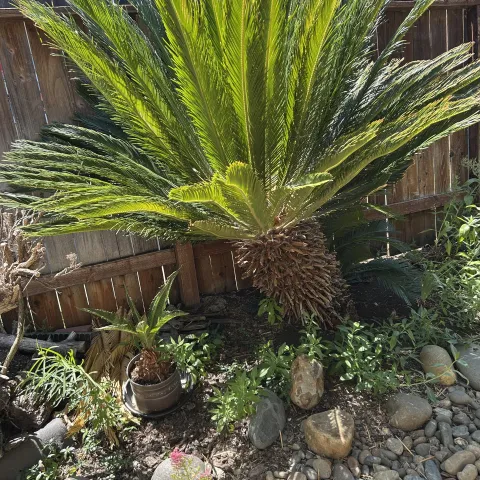
sago palm mother plant
Under the Solano Sun: Article

The Sago Saga

June 26, 2025
By Jennifer M Baumbach
Blog by Karen MetzI have had a Sago Palm, Cycas revoluta, for many years. Initially, I had it indoors as a houseplant. It survived , but it didn’t thrive. So, I eventually moved it outdoors and planted it in the ground.It was much happier there and grew for years. But as it aged, the leaves grew longer and…
View Article
Primary Image
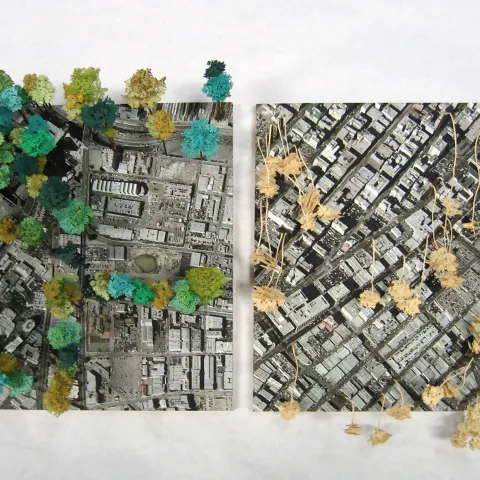
A piece of artwork by Kim Abeles of trees on a city map.
Green Blog: Article

Art show celebrates cool contributions of LA trees

June 26, 2025
By Caroline D Champlin
Shade equity is the inspiration for a new art exhibition at Descanso Gardens in La Cañada Flintridge called “Roots of Cool: A Celebration of Trees and Shade in a Warming World.”
View Article
Primary Image
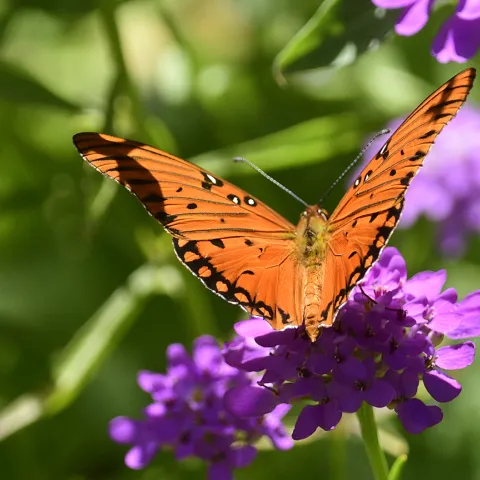
A Gulf Fritllary butterfly on a butterfly bush. (Photo by Kathy Keatley Garvey)
Bug Squad: Article

The Insects of Summer

June 25, 2025
By Kathy Keatley Garvey
 Some folks consider mosquitoes, flies and cockroaches and other pests as "the insects of summer."No, the "insects of summer" include a flame skimmer dragonfly perched on a bamboo stick, a honey bee foraging on a blanket flower, a lady beetle (aka ladybug) devouring aphids, and a Gulf Fritillary…
View Article
UCCE Livestock Antimicrobial Stewardship: Document

A Natural Solution for California's Herds: African Catfish Peptides

California's cattle producers and agricultural communities are all too familiar with the rising challenge of antibiotic resistance, making common bacterial infections harder to treat in livestock. But imagine a future where we could tackle these infections with a natural, powerful alternative. Our research…
View Document
Primary Image
Defoliation
UC Rice Blog: Article

Don't let your guard down against armyworms

June 25, 2025
By Luis Espino
I've been looking at some fields this week and I'm seeing high worm populations. These are fields where armyworms have been a problem in the past. I would say this year the numbers I am seeing are much higher than the last three years. In one field in particular, defoliation is close to threshold (25%). …
View Article