A Natural Solution for California's Herds: African Catfish Peptides

California's cattle producers and agricultural communities are all too familiar with the rising challenge of antibiotic resistance, making common bacterial infections harder to treat in livestock. But imagine a future where we could tackle these infections with a natural, powerful alternative. Our research points to just that: antimicrobial peptides (AMPs) found in African catfish.

We're really excited about these peptides because African catfish thrive in pathogen-rich freshwater, naturally producing these robust immune compounds in their skin mucus as a defense. This natural origin makes them highly appealing alternatives to synthetic drugs.

Predicted Safety and Potent Action

One of the most compelling aspects of these AMPs is their predicted safety for mammals. Our initial computer analyses suggest that various catfish AMPs are generally recognized as safe (GRAS). We predict they'll be absorbed in the human intestine without causing liver, brain, or heart toxicity. Furthermore, lab tests on a promising peptide, NACAP-II, confirmed it was non-hemolytic, meaning it didn't damage rabbit red blood cells—a strong indicator of its potential safety for mammalian cells.

Beyond safety, these peptides demonstrate effectiveness against problematic bacteria. One study revealed NACAP-II's strong activity against Extended-Spectrum Beta-Lactamase (ESBL)-producing Escherichia coli—a critical concern for both animal and human health due to its resistance to many common antibiotics. Another peptide, ACAP-IV, also showed antibacterial activity against E. coli and Staphylococcus aureus. We believe these AMPs work by directly disrupting bacterial cell membranes, a mechanism that makes it harder for bacteria to develop resistance compared to how they resist traditional antibiotics.

Primary Image
Side view of West Virginia Capitol building
The Backyard Gardener: Article

A Tale of Two Capitols

June 24, 2025
By Dustin W Blakey
I recently attended a conference in Charleston, West Virginia. In case your 5th Grade History Neurons have deteriorated from lack of use, that’s their state capital. While there, I took a long walk from my hotel through historic neighborhoods to check out the grounds while I was waiting for my flight out of…
View Article
Primary Image
cut avocado displaying brown pit and green flesh

The AB's of Avocado

June 24, 2025
By Jennifer M Baumbach
Blog by Tina Saravia A few years ago I purchased a Bacon Avocado (Persea americana) in a 5-gallon can. As its botanical name indicates, it is native to the Americas (Mexico, Central America, and South America) and belongs to the Laurel family. It is an evergreen tree that can grow up to 66 feet or 20…
View Article
Primary Image
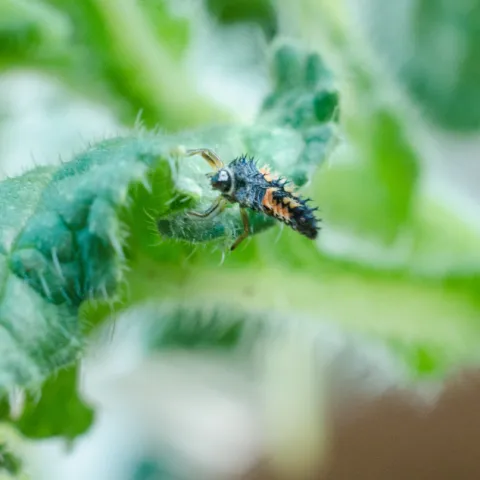
Ladybug larva hunting on borage leaf
UC Master Gardener Program Statewide Blog: Article

Good Bugs, Big Impact: The Secret World of Biological Control (Part 1)

June 24, 2025
By Lindsey Hack
You have probably heard about the “good bugs” that eat pest insects around your home and garden, like ladybugs, lacewings, and spiders. You may have even purchased some beneficial insects or nematodes at a garden store. Good bugs can also help us manage invasive species, but the process is a bit more…
View Article
UC Environmental Stewards: Event

California Naturalist Course with Tuleyome

Event Date
Jan 16, 2026 - Mar 6, 2026

Tuleyome’s Certified California Naturalist (CalNat) program trains members of the public to become California Naturalists! No advanced degree or previous naturalist experience is required – Tuleyome teaches you everything you need to know to become certified. Our course is focused on the northern inner Coast…
UC Environmental Stewards
View Event
Nut, Olive and Prune Programmatic News: Article

Pecan bud break and bloom dynamics in the southern San Joaquin Valley

June 24, 2025
By Elizabeth J Fichtner
This blog contains archived digital materials published or created by the Tulare County Cooperative Extension prior to April 24, 2026 that are not digitally accessible.Pecan bud break and bloom dynamics in the southern San Joaquin ValleyElizabeth J. Fichtner, Farm Advisor, UCCE Tulare County, Jennifer…
View Article
California EFNEP: Page

Adult Educator Training

Cultivating Connections: SNAP-Ed Learning Collaborative to improve Nutrition Education for People in Recovery. Presented by Washington State University and the Rural Opioid Technical Assistance Collaborative. June 18, 2025                Cultivating…
View Page