A Natural Solution for California's Herds: African Catfish Peptides

California's cattle producers and agricultural communities are all too familiar with the rising challenge of antibiotic resistance, making common bacterial infections harder to treat in livestock. But imagine a future where we could tackle these infections with a natural, powerful alternative. Our research points to just that: antimicrobial peptides (AMPs) found in African catfish.

We're really excited about these peptides because African catfish thrive in pathogen-rich freshwater, naturally producing these robust immune compounds in their skin mucus as a defense. This natural origin makes them highly appealing alternatives to synthetic drugs.

Predicted Safety and Potent Action

One of the most compelling aspects of these AMPs is their predicted safety for mammals. Our initial computer analyses suggest that various catfish AMPs are generally recognized as safe (GRAS). We predict they'll be absorbed in the human intestine without causing liver, brain, or heart toxicity. Furthermore, lab tests on a promising peptide, NACAP-II, confirmed it was non-hemolytic, meaning it didn't damage rabbit red blood cells—a strong indicator of its potential safety for mammalian cells.

Beyond safety, these peptides demonstrate effectiveness against problematic bacteria. One study revealed NACAP-II's strong activity against Extended-Spectrum Beta-Lactamase (ESBL)-producing Escherichia coli—a critical concern for both animal and human health due to its resistance to many common antibiotics. Another peptide, ACAP-IV, also showed antibacterial activity against E. coli and Staphylococcus aureus. We believe these AMPs work by directly disrupting bacterial cell membranes, a mechanism that makes it harder for bacteria to develop resistance compared to how they resist traditional antibiotics.
Climate Smart Agriculture in San Diego County: Page

Climate Action and Land Equity (CALE)

 Haga Clic Aquí para ver la Versión en Español Why Land Equity Matters    CALE CommunitiesGoals & ObjectivesTeam & PartnersTimeline & MilestonesStories from the FieldGet InvolvedAdditional Resources In California, land represents more than just property; it is the foundation…
View Page
UC Master Gardeners of Placer County: Article

Gardening Basics Workshops

June 18, 2025
Composting and Mulch, Container Gardening, Water-wise Gardens, Gardening in a Changing Climate, Improving Water Efficiency, Irrigation, Lawn Replacement, Seed Saving, Propagation, Raised Bed, Soil Amendments, Straw Bale Gardening, Invasive Plants Workshops
View Article
UC Master Gardeners of Placer County: Article

Fruits & Vegetables Workshops

June 18, 2025
Growing Citrus, Planning a Summer Vegetable Garden, Selecting and Planting Fruit Trees, Growing Culinary Herbs, Blueberries, Backyard Orchards, and Tomato Workshops
View Article
UC Environmental Stewards: Event

California Naturalist Course with Alameda Creek Alliance

Event Date
Aug 23, 2025 - Nov 4, 2025

Join us in a California Naturalist Course to become a California Naturalist and Alameda Creek Alliance Stream Keeper. Stream Keepers make observations in the field and collect data on fish species, watch for Salmon and steelhead, and monitor a variety of conditions in the Alameda watershed. Course…
UC Environmental Stewards
View Event
UC Environmental Stewards: Event

California Naturalist Course with West Valley College

Event Date
Aug 23, 2025 - Dec 12, 2025

Open to students and community members of all ages, join any of the following courses in the Biology department under Ecology, Diversity, and Conservation offered throughout the year to obtain California Naturalist certification. Upon successful completion of course requirements, participants will have the…
UC Environmental Stewards
View Event
UC Environmental Stewards: Event

California Naturalist Course with West Valley College

Event Date
Jun 16, 2025 - Jul 31, 2025

Open to students and community members of all ages, join any of the following courses in the Biology department under Ecology, Diversity, and Conservation offered throughout the year to obtain California Naturalist certification. Upon successful completion of course requirements, participants will have the…
UC Environmental Stewards
View Event
UC Environmental Stewards: Event

California Naturalist Course with Transition Habitat Conservancy

Event Date
Mar 16, 2026 - May 13, 2026

Transition Habitat Conservancy strives to provide education about the fragile and inspirational nature of our desert plants, animals, and ecosystems to connect people to nature. We are also proud to be the first and only UCANR partner to offer a Mojave Desert-specific California Naturalist Course and are…
UC Environmental Stewards
View Event
Primary Image
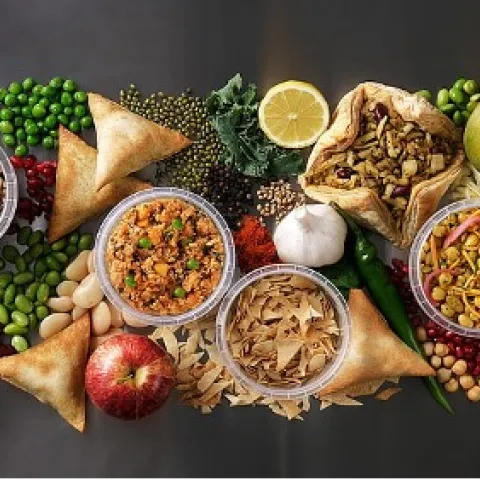
Variety of fruits, vegetables and grains displayed on a table
Healthy Central Sierra: Article

Nutrition in the News

June 18, 2025
By Kitty Oppliger
Measles and Vitamin ANews headlines have followed the alarming rise in cases of the highly contagious Measles virus across the US. Measles was nearly eradicated in the US in the early 1990s thanks to the childhood Measles-Mumps-Rubella (MMR) vaccine, but surges in 2014, 2019 and now 2025 indicate a…
View Article
Primary Image
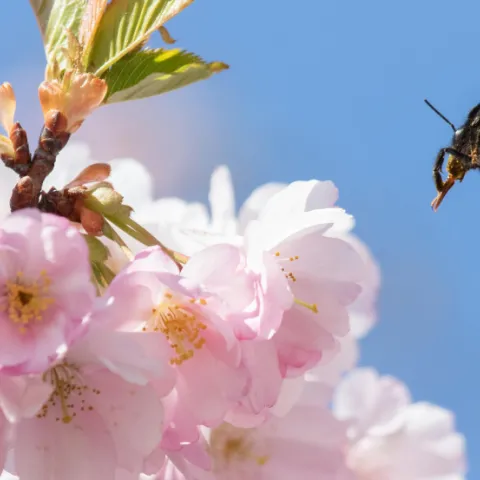
Bee flying towards tree blossoms
UC Master Gardener Program Statewide Blog: Article

Growing More Food with Pollinator Power: A National Pollinator Week Special

June 18, 2025
By Barbra Braaten, Lauren L Snowden
As food prices continue to rise, many of us are turning to our backyards or patios to grow fresh vegetables. But did you know that planting vegetables alone might not be enough? To get the most from your garden, you need pollinators – those busy bees, butterflies, and other creatures that help your plants…
View Article