A Natural Solution for California's Herds: African Catfish Peptides

California's cattle producers and agricultural communities are all too familiar with the rising challenge of antibiotic resistance, making common bacterial infections harder to treat in livestock. But imagine a future where we could tackle these infections with a natural, powerful alternative. Our research points to just that: antimicrobial peptides (AMPs) found in African catfish.

We're really excited about these peptides because African catfish thrive in pathogen-rich freshwater, naturally producing these robust immune compounds in their skin mucus as a defense. This natural origin makes them highly appealing alternatives to synthetic drugs.

Predicted Safety and Potent Action

One of the most compelling aspects of these AMPs is their predicted safety for mammals. Our initial computer analyses suggest that various catfish AMPs are generally recognized as safe (GRAS). We predict they'll be absorbed in the human intestine without causing liver, brain, or heart toxicity. Furthermore, lab tests on a promising peptide, NACAP-II, confirmed it was non-hemolytic, meaning it didn't damage rabbit red blood cells—a strong indicator of its potential safety for mammalian cells.

Beyond safety, these peptides demonstrate effectiveness against problematic bacteria. One study revealed NACAP-II's strong activity against Extended-Spectrum Beta-Lactamase (ESBL)-producing Escherichia coli—a critical concern for both animal and human health due to its resistance to many common antibiotics. Another peptide, ACAP-IV, also showed antibacterial activity against E. coli and Staphylococcus aureus. We believe these AMPs work by directly disrupting bacterial cell membranes, a mechanism that makes it harder for bacteria to develop resistance compared to how they resist traditional antibiotics.
Woody Biomass Utilization: Page

Resourceful Handouts

Take a look at these handouts for brief overviews of specific components within the California Forest Industry, challenges that arise, and how they are met.     
View Page
Primary Image
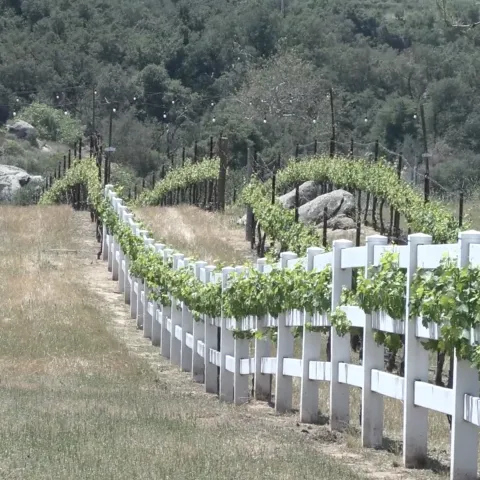
View of a vineyard & Winery in the north of San Diego
Food Blog: Article

Welcome to the Farm: UC ANR’s Role in California’s Agritourism Transformation

June 17, 2025
By Ricardo A Vela
 In a state where agriculture is a $59 billion industry, a quiet revolution is changing how Californians experience farming—not just as consumers, but as guests, learners, and partners. Agritourism, once a niche side venture for farmers, is now a significant and growing segment of the rural economy…
View Article
Primary Image
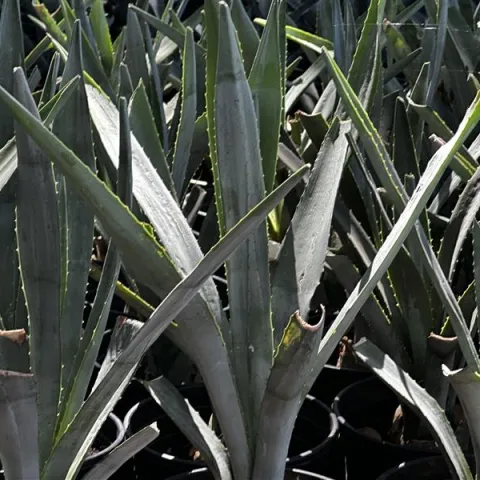
La promesa del agave.

Del corazón de México a California, el agave como símbolo de resiliencia

June 17, 2025
By Diana Cervantes, Ricardo A Vela
En el rancho "Los Espíritus Contentos", ubicada en las colinas del condado de San Diego, un grupo de agricultores, investigadores y académicos se reunieron para discutir de agave orgánico en California. La jornada, organizada por el Instituto de Agricultura Orgánica de UC SAREP, giró en torno al lanzamiento…
View Article
Primary Image
American serpentine leaf miner
UC Marin Master Gardeners: Article

Leaf miners

June 17, 2025
By Bonnie A Nielsen
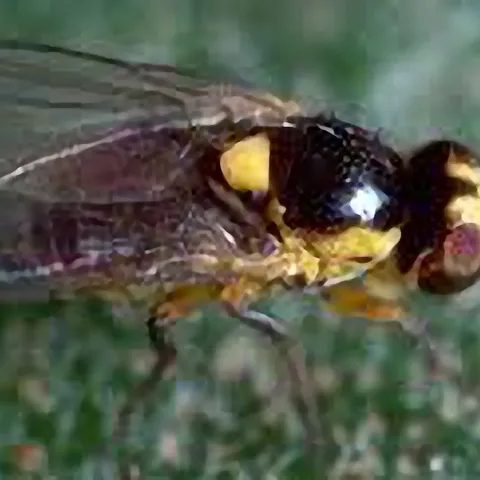
 Leaf miners are just one of the many pests that affect our gardens. The two leaf miner types most often found in Marin are the Liriomyza spp, a mostly black & yellow fly with clear wings, and Phytomyza, a blackish gray fly on top with a cream- colored abdomen. Females of both these…
View Article
Event Primary Image
worms in compost
Grown in Marin: Event

Vermicomposting 101: Building Fertility from the Ground Up

Event Date
Jun 25, 2025

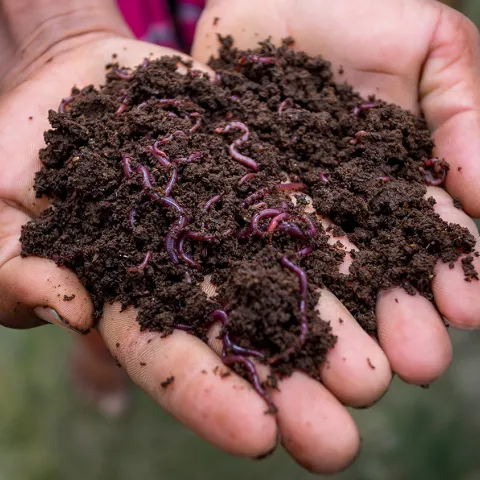
This webinar with Seth Phillips, Livestock Specialist at ECHO Global Farms’ North America Regional Impact Center, will cover the fundamentals of vermicomposting—a low-cost, high-impact way to build healthy soil. This webinar is ideal for home gardeners, educators, and farmers looking to reduce inputs and…
Grown in Marin
View Event
Event Primary Image
row crops
Grown in Marin: Event

Beginning Farmer Resources in a Changing World

Event Date
Jun 24, 2025

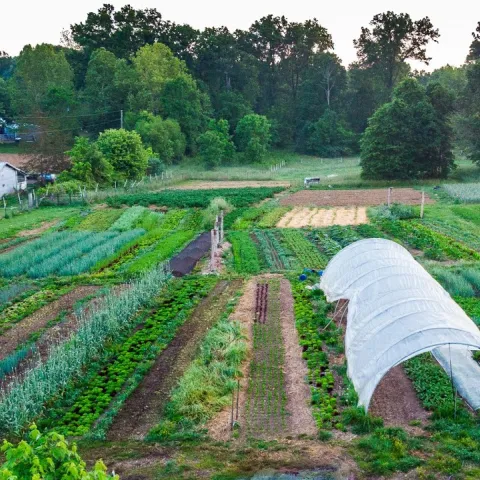
This webinar will highlight current resources, opportunities, and support systems available to beginning farmers navigating today’s evolving agricultural landscape. The session will include time for open discussion, and farmers are encouraged to share their experiences, questions, and input.Speakers:Ann…
Grown in Marin
View Event
Event Primary Image
grazing cattle
Grown in Marin: Event

Grass Roots Grazing: Rangeland & Pasture Management

Event Date
Jun 24, 2025

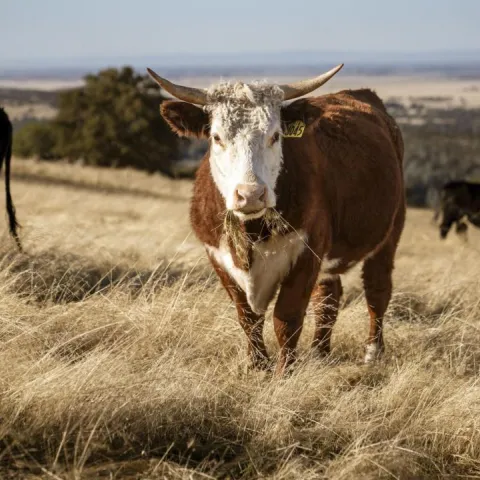
This workshop will focus on the fundamentals of grazing livestock on CA rangelands and pastures. It will cover practical tools to assess your pastures, including forage estimates and stocking rates, and discuss annual production calendars, and supplementation strategies.Registration is $20 This event is…
Grown in Marin
View Event
UCCE in the County of San Luis Obispo: Page

2026 Training Class

The UC Master Food Preserver Program trains volunteers to share research-based home food safety and preservation practices with the public. This course is how you become a certified Master Food Preserver in San Luis Obispo & Santa Barbara Counties. It is an application-based program with tuition, weekly…
View Page
Primary Image
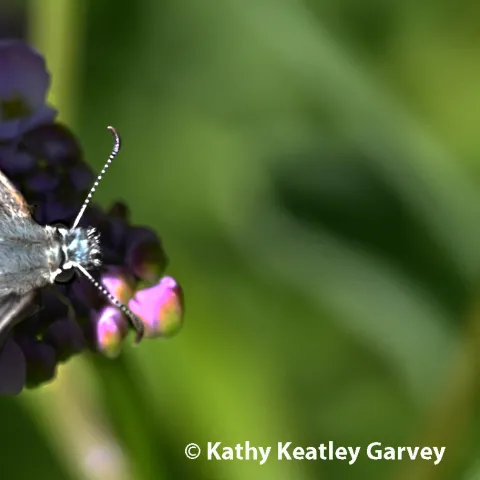
Checkered skipper butterfly. (Photo by Kathy Keatley Garvey)
Bug Squad: Article

A Checkered Past?

June 16, 2025
By Kathy Keatley Garvey
 Does the common checkered skipper butterfly have a checkered past?That is, "good" and "bad" periods in its life history?It's known as Burnsius communis, formerly Pyrgus communis, a species of butterfly in the family Hesperiidae. It derives its common name from its checkerboard pattern of blue-gray and…
View Article