A Natural Solution for California's Herds: African Catfish Peptides

California's cattle producers and agricultural communities are all too familiar with the rising challenge of antibiotic resistance, making common bacterial infections harder to treat in livestock. But imagine a future where we could tackle these infections with a natural, powerful alternative. Our research points to just that: antimicrobial peptides (AMPs) found in African catfish.

We're really excited about these peptides because African catfish thrive in pathogen-rich freshwater, naturally producing these robust immune compounds in their skin mucus as a defense. This natural origin makes them highly appealing alternatives to synthetic drugs.

Predicted Safety and Potent Action

One of the most compelling aspects of these AMPs is their predicted safety for mammals. Our initial computer analyses suggest that various catfish AMPs are generally recognized as safe (GRAS). We predict they'll be absorbed in the human intestine without causing liver, brain, or heart toxicity. Furthermore, lab tests on a promising peptide, NACAP-II, confirmed it was non-hemolytic, meaning it didn't damage rabbit red blood cells—a strong indicator of its potential safety for mammalian cells.

Beyond safety, these peptides demonstrate effectiveness against problematic bacteria. One study revealed NACAP-II's strong activity against Extended-Spectrum Beta-Lactamase (ESBL)-producing Escherichia coli—a critical concern for both animal and human health due to its resistance to many common antibiotics. Another peptide, ACAP-IV, also showed antibacterial activity against E. coli and Staphylococcus aureus. We believe these AMPs work by directly disrupting bacterial cell membranes, a mechanism that makes it harder for bacteria to develop resistance compared to how they resist traditional antibiotics.

Primary Image
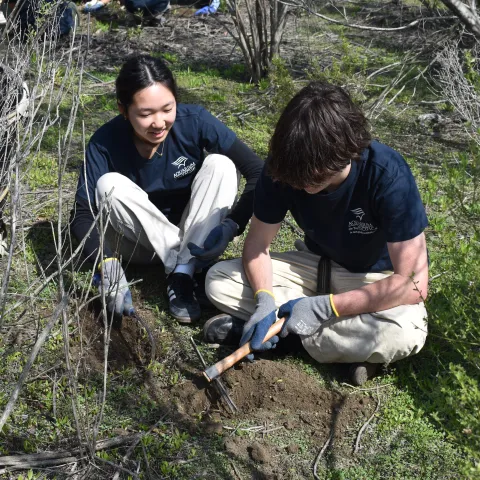
Teen volunteers restoring wetland habitat at the Los Cerritos Wetlands
UC Environmental Stewards: Page

Aquarium of the Pacific

The UC Climate Stewards Program at the Aquarium of the Pacific is building climate resilience for our ocean and our communities. This unique course transforms passionate individuals into certified Climate Stewards, connecting them with a vibrant statewide network committed to building resilience in the face…
View Page
Event Primary Image
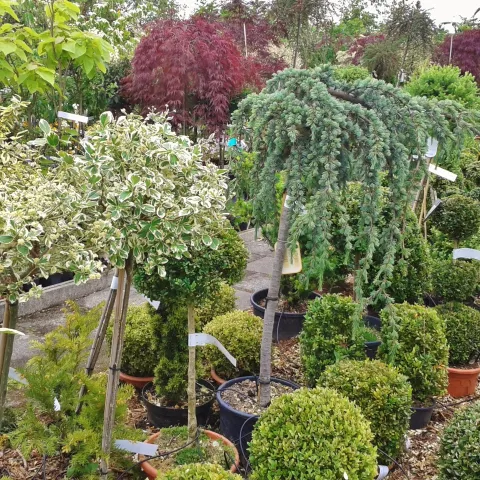
Variety of tree and shrub potted plants in a nursery.
Urban & Community IPM Webinars: Event

Webinar: Tree & Shrub Pests

Event Date
Oct 16, 2025

Do your trees or shrubs look unhealthy? A variety of insects, wildlife, and diseases can attack these plants making them unattractive or slow to grow. In this webinar, horticulture expert Chris Shogren will cover common pests of landscape trees and shrubs, their management, and tips for proper plant care to…
Urban & Community IPM Webinars
View Event
UC ANR Program Planning & Evaluation: Page

UC Delivers

UC Delivers is a collection of examples showing how UC ANR is making a difference in California's communities.UC Delivers is managed by UC ANR Program Planning and Evaluation. This page has instructions on how to write a UC Delivers Post. For instructions on how to submit a post, you can download this PDF…
View Page
Primary Image
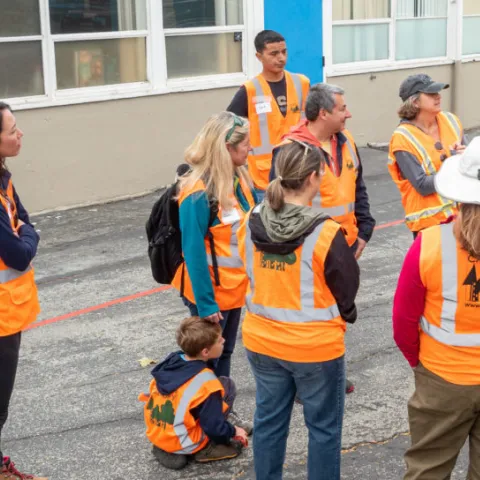
A group of volunteers wearing orange and yellow vests gather in a circle
UC Environmental Stewards: Page

Canopy

Course DescriptionCanopy is offering the UC Climate Stewards certification course in Santa Clara and San Mateo County. The course prepares participants to engage within their communities with integrated nature-based climate solutions, community science about local green spaces, and communication to advance…
View Page
Primary Image
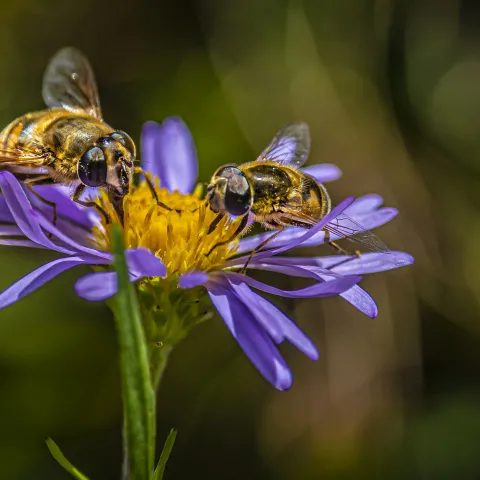
Drone fly
Fresno Gardening Green: Article

There’s good reason to protect pollinators

June 16, 2025
By Jeannette Warnert
 National Pollinator Week, which begins today and runs through June 22, was established in 2007 following a unanimous vote by the U.S. Senate. Why make a federal case over pollinators? Many of the healthiest foods in our diets – almonds, blueberries, squash, strawberries, peaches and much more – are…
View Article
Landing Page

Community Forms

Ready, Set, Submit! If you need help finding a resource or a document you can reach out to the 4-H Staff at your local UC Extension Office.
View Landing Page
UC Ag Experts Talk Webinar Series: Page

Past webinars - Pollinators

As webinars are completed, we post recordings on YouTube for future study and sharing with others. Continuing education units are not available for recorded webinars. Only participants of live webinars receive credits.Assessing Bee Exposure Risk and Potential for Habitat-Based Mitigation in…
View Page
Primary Image
Crape Myrtle leaves with sooty mold
Over the Fence (Alameda County): Article

What is that Black Stuff on my Plant Leaves?

June 14, 2025
By Judy Quan
The black stuff on your leaves is likely sooty moldThe black stuff on your leaves is probably sooty mold, a fungal disease growing on plants and other surfaces, and it is often seen in the spring and summer. The leaves or stems have a black coating that looks like soot. If you look closely, it is growing…
View Article
Primary Image
Crape Myrtle leaves with sooty mold
Over the Fence (Alameda County): Article

What is that Black Stuff on my Plant Leaves?

June 14, 2025
By Judy Quan
The black stuff on your leaves is likely sooty moldThe black stuff on your leaves is probably sooty mold, a fungal disease growing on plants and other surfaces, and it is often seen in the spring and summer. The leaves or stems have a black coating that looks like soot. If you look closely, it is growing…
View Article