A Natural Solution for California's Herds: African Catfish Peptides

California's cattle producers and agricultural communities are all too familiar with the rising challenge of antibiotic resistance, making common bacterial infections harder to treat in livestock. But imagine a future where we could tackle these infections with a natural, powerful alternative. Our research points to just that: antimicrobial peptides (AMPs) found in African catfish.

We're really excited about these peptides because African catfish thrive in pathogen-rich freshwater, naturally producing these robust immune compounds in their skin mucus as a defense. This natural origin makes them highly appealing alternatives to synthetic drugs.

Predicted Safety and Potent Action

One of the most compelling aspects of these AMPs is their predicted safety for mammals. Our initial computer analyses suggest that various catfish AMPs are generally recognized as safe (GRAS). We predict they'll be absorbed in the human intestine without causing liver, brain, or heart toxicity. Furthermore, lab tests on a promising peptide, NACAP-II, confirmed it was non-hemolytic, meaning it didn't damage rabbit red blood cells—a strong indicator of its potential safety for mammalian cells.

Beyond safety, these peptides demonstrate effectiveness against problematic bacteria. One study revealed NACAP-II's strong activity against Extended-Spectrum Beta-Lactamase (ESBL)-producing Escherichia coli—a critical concern for both animal and human health due to its resistance to many common antibiotics. Another peptide, ACAP-IV, also showed antibacterial activity against E. coli and Staphylococcus aureus. We believe these AMPs work by directly disrupting bacterial cell membranes, a mechanism that makes it harder for bacteria to develop resistance compared to how they resist traditional antibiotics.
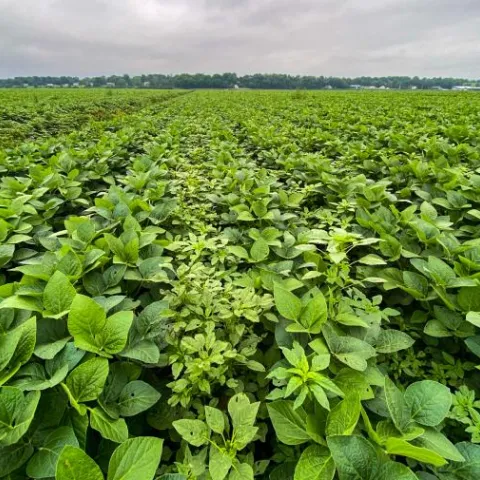

Fresno County Vegetable Crops: Page

Research Reports

Viruses IR-4 Evaluation of alternatives to regulated neonicotinoid insecticides for reduction of Beet curly top virus incidence in processing tomato in California, 2024Evaluation of insecticide programs in processing tomatoes for the management of BCTV and TSWV vectors and virusesEffect of insecticide…
View Page
Event Primary Image
field crops
Grown in Marin: Event

Field Crop Insect and Weed Management Webinar

Event Date
Aug 6, 2025

In this webinar, Nicholas Clark, Associate Cooperative Extension Area Agronomic Cropping Systems and Nutrient Management Advisor, will give an introduction of agronomic cropping systems and their current weed and insect pest management challenges. He will describe specific pest-crop interactions and the IPM…
Grown in Marin
View Event
Nutrition Policy Institute News: Article

Colorado schools experienced decreased student meal participation and increased unpaid meal debt when universal school meal program ended

June 9, 2025
By Brianna Aguayo Villalon, Danielle Lee, Lorrene D Ritchie, Monica D Zuercher, Wendi Gosliner
In March 2023, Nutrition Policy Institute researchers conducted an online survey to examine Colorado foodservice directors' experiences after federal waivers that allowed all schools to offer school meals free of charge to all students ended in the 2022-23 school year. Survey results highlight how Colorado’s…
View Article
Event Primary Image
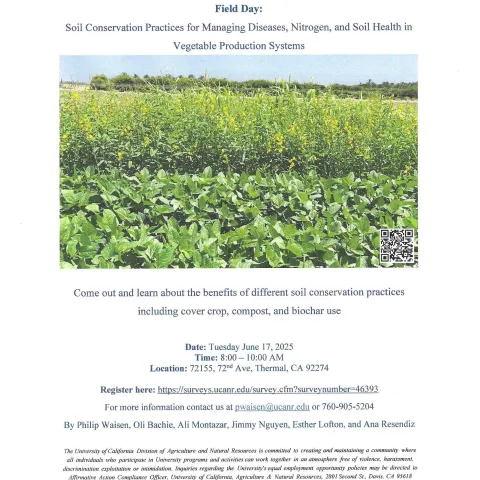
Field Day: Veg Production Systems - Thermal, CA (6-17-25)
UC Cooperative Extension Imperial County: Event

Field Day: Soil Conservation Practices for Managing Diseases, Nitrogen and Soil Health in Vegetable Production Systems

Event Date
Jun 17, 2025

Mark you calendars and join the UCCE Imperial & Riverside advisers for a FREE, Field Day! Where you will learn about the benefits of different soil conservation practices including cover crop, compost and biochar use. Field day will be held in Thermal, CA on June 17, 2025. …
UC Cooperative Extension Imperial County
View Event
Primary Image
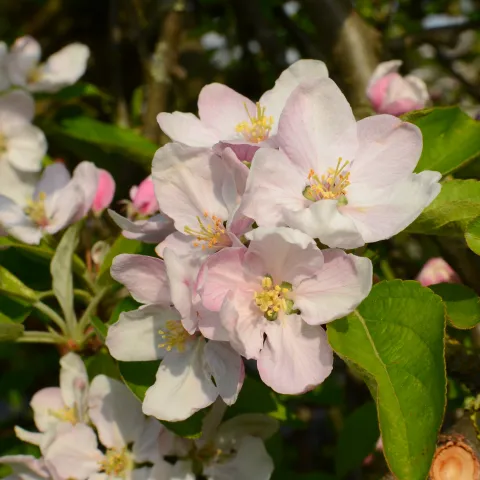
Apple blossoms
UC Marin Master Gardeners: Article

Apples, including our native Pacific crabapple

June 9, 2025
By Bonnie A Nielsen
 Apple trees are some of the loveliest in the world, as are their close relatives, the crabapples. Their blossoms in spring are intoxicating, and no wonder—they belong to the Rosaceae family, which includes roses and strawberries.Pollinators like bees and bumblebees are drawn to the fragrant blooms. If…
View Article
Event Primary Image
taxes
Grown in Marin: Event

Tax Webinar: Employment of Family Members

Event Date
Jun 11, 2025

Managing family labor in a farm or ranch operation presents unique challenges, especially when navigating complex tax regulations. Join Rob Holcomb for guidance on key tax provisions related to employing family members. Topics include:Employment of children by their parentsSpouses working for each…
Grown in Marin
View Event
Primary Image
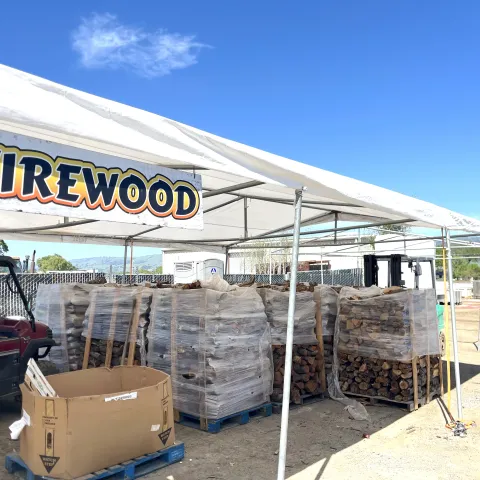
Stacks of firewood for sale below a canopy with a sign that says "firewood."

Destructive Pests Hide in Firewood

June 9, 2025
By Lindsey Hack
While bringing firewood from home for your weekend camping trip may seem harmless, many invasive pests can hide in firewood and cause serious harm to California’s forests and urban landscapes. You can help limit the spread of these unwanted hitchhikers by collecting or buying firewood close to where you plan…
View Article
Primary Image
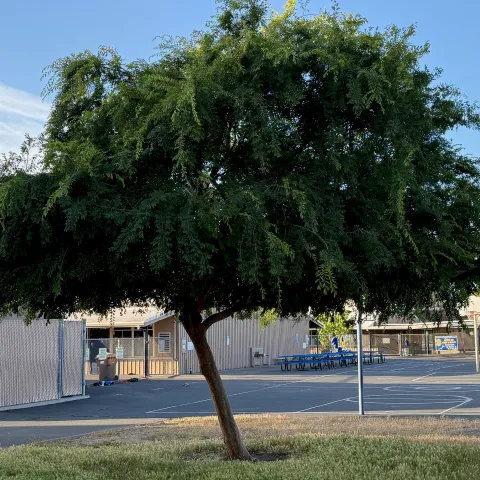
Leaning tree
HOrT COCO-UC Master Gardener Program of Contra Costa: Article

What To Do About a Leaning Tree?

June 9, 2025
By Help Desk Team
Sometimes we get questions about leaning trees. People want to know if a tree that is leaning can be straightened out, and how. This is what we’ve learned.The first question to consider is why is the tree leaning? For most young trees, with trunks smaller than 4” in diameter, the leaning can be traced back…
View Article