A Natural Solution for California's Herds: African Catfish Peptides

California's cattle producers and agricultural communities are all too familiar with the rising challenge of antibiotic resistance, making common bacterial infections harder to treat in livestock. But imagine a future where we could tackle these infections with a natural, powerful alternative. Our research points to just that: antimicrobial peptides (AMPs) found in African catfish.

We're really excited about these peptides because African catfish thrive in pathogen-rich freshwater, naturally producing these robust immune compounds in their skin mucus as a defense. This natural origin makes them highly appealing alternatives to synthetic drugs.

Predicted Safety and Potent Action

One of the most compelling aspects of these AMPs is their predicted safety for mammals. Our initial computer analyses suggest that various catfish AMPs are generally recognized as safe (GRAS). We predict they'll be absorbed in the human intestine without causing liver, brain, or heart toxicity. Furthermore, lab tests on a promising peptide, NACAP-II, confirmed it was non-hemolytic, meaning it didn't damage rabbit red blood cells—a strong indicator of its potential safety for mammalian cells.

Beyond safety, these peptides demonstrate effectiveness against problematic bacteria. One study revealed NACAP-II's strong activity against Extended-Spectrum Beta-Lactamase (ESBL)-producing Escherichia coli—a critical concern for both animal and human health due to its resistance to many common antibiotics. Another peptide, ACAP-IV, also showed antibacterial activity against E. coli and Staphylococcus aureus. We believe these AMPs work by directly disrupting bacterial cell membranes, a mechanism that makes it harder for bacteria to develop resistance compared to how they resist traditional antibiotics.
Primary Image
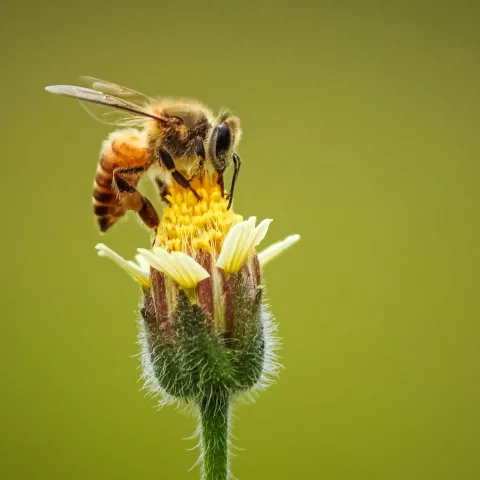
Photo by Ankith Choudhary via Unsplash.com
UC Master Gardeners of San Mateo & San Francisco Counties: Article

Plant for Pollinators

May 1, 2025
By Cathrin Callas
  Pollinators like bees, butterflies, moths, and birds play an important role in pollinating your vegetable garden and supporting a healthy ecosystem. However, habitat loss, disease, and pesticide use have contributed to the decline of these species. You can help pollinators by selecting a wide…
View Article
Primary Image
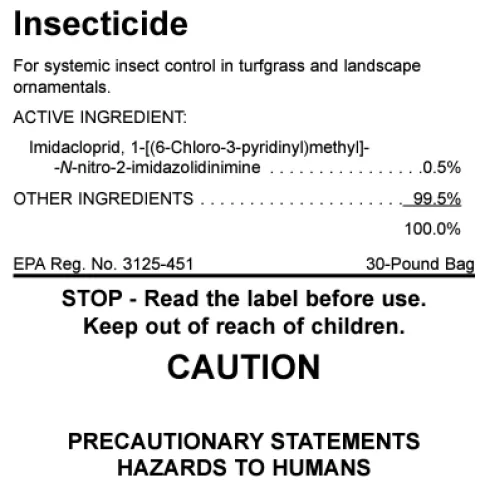
Photo by Arizona Pest Management Center, University of Arizona
UC Master Gardeners of San Mateo & San Francisco Counties: Article

Check Your Pesticides

May 1, 2025
By Cathrin Callas
 As of Jan 1, 2025, a class of pesticides called neonicotinoids have been banned for nonagricultural outdoor use as they have been linked to a decline in honey bees and other pollinators. Although the pesticides are no longer for sale at garden centers and retail stores, you might have them at your home…
View Article
Primary Image
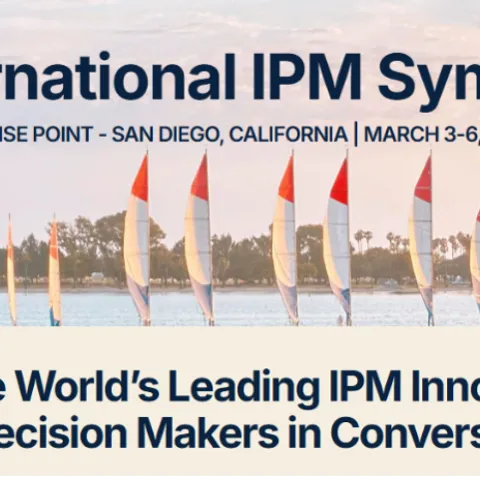
An image with sailboats on the bay and the general information about the symposium
Supporting Small Farms: Article

Networking and Extension through the International IPM Symposium

May 1, 2025
By ZinThuZar Maung
The International Integrated Pest Management (IPM) Symposium is held every three years, and the venue rotates in different places. This year was the 11th time and the event happened in a city on the Pacific coast of California, San Diego, from March 3 to 6, 2025. Emily Kraus, Small Farms and…
View Article
UC ANR Human Resources: Page

Best Meeting Practices

Empower Your Meetings — Make Them MatterMeetings should be more than mere calendar entries—they're dynamic opportunities to connect, decide, collaborate, and innovate. At UC ANR, our Best Meeting Practices are crafted to ensure every gathering is inclusive, purposeful, and effective. On this page:Better…
View Page
UC ANR Human Resources: Page

Working with Others

On this page: Adults as LearnersBetter meetingsBuilding TrustDiversity, Equity & InclusionFacilitation skillsIntegrate your programsOffice communicationPeople management and LeadershipWorking remotely Adults as Learners Remember to use adults learning principles in planning your field day…
View Page
UC ANR Human Resources: Page

Working at UC ANR

Project board, hiring people, policies, safety in the workplace, and more.On this pageArtificial Intelligence CybersecurityConnecting within UC and UC ANR -see Extension pageDiversity, Equity & InclusionHealth, Risk & SafetyPreventing Harassment and DiscriminationOrientationStudents,…
View Page
UC ANR Human Resources: Page

Performance Standards

The UC ANR Performance Standards provide guidelines for evaluating employee performance across various competencies, such as communication, job mastery, service focus, and more. Each competency is assessed on a scale from "Exceptional" to "Improvement Needed," with descriptions for each level to help…
View Page
UC ANR Human Resources: Page

Performance Evaluation

On this page:Giving and Receiving FeedbackStaffAcademicsAnnual EvaluationMerits and PromotionsOverviewDefinitions and Criteriae-Book, Criteria, Supervisor forms (Human Resources web)Preparing Your NarrativeAdministrative ElementsExpectations by Rank (draft)Position DescriptionThemes, Goals, ObjectivesProject…
View Page
UC ANR Human Resources: Page

National Center for Faculty Development & Diversity

 National Center for Faculty Development & Diversity (NCFDD) UC ANR is fortunate to be an institutional member of NCFDD. Founded in 2010, NCFDD is the leading provider of professional development in higher education. Working with over 300 colleges and universities, as well as thousands of…
View Page
UC ANR Human Resources: Page

UC ANR Mentorship Program

 Resources for mentors and mentees | Mentorship Kickoff event handouts (use your UC Davis Kerberos user name and passcode)Information on Mentoring Relationships (UC Davis) | Video highlights 2025 program. The ANR Mentorship Program The UC ANR Mentorship Program is a 9-month…
View Page