A Natural Solution for California's Herds: African Catfish Peptides

California's cattle producers and agricultural communities are all too familiar with the rising challenge of antibiotic resistance, making common bacterial infections harder to treat in livestock. But imagine a future where we could tackle these infections with a natural, powerful alternative. Our research points to just that: antimicrobial peptides (AMPs) found in African catfish.

We're really excited about these peptides because African catfish thrive in pathogen-rich freshwater, naturally producing these robust immune compounds in their skin mucus as a defense. This natural origin makes them highly appealing alternatives to synthetic drugs.

Predicted Safety and Potent Action

One of the most compelling aspects of these AMPs is their predicted safety for mammals. Our initial computer analyses suggest that various catfish AMPs are generally recognized as safe (GRAS). We predict they'll be absorbed in the human intestine without causing liver, brain, or heart toxicity. Furthermore, lab tests on a promising peptide, NACAP-II, confirmed it was non-hemolytic, meaning it didn't damage rabbit red blood cells—a strong indicator of its potential safety for mammalian cells.

Beyond safety, these peptides demonstrate effectiveness against problematic bacteria. One study revealed NACAP-II's strong activity against Extended-Spectrum Beta-Lactamase (ESBL)-producing Escherichia coli—a critical concern for both animal and human health due to its resistance to many common antibiotics. Another peptide, ACAP-IV, also showed antibacterial activity against E. coli and Staphylococcus aureus. We believe these AMPs work by directly disrupting bacterial cell membranes, a mechanism that makes it harder for bacteria to develop resistance compared to how they resist traditional antibiotics.
Article

Academics invited to see demo of iThenticate on May 21 at 2 pm

May 5, 2025
By Kathryn M Stein
UC ANR announced the availability of iThenticate, a resource for UC ANR academic authors preparing to submit academic writing for publication, in February. On Wednesday, May 21, from 2 to 3 p.m., please join Vice Provost Daniel Obrist and iThenticate trainers for an overview and demo of iThenticate to…
View Article
Primary Image
FSL graphic
UC Marin Master Gardeners: Article

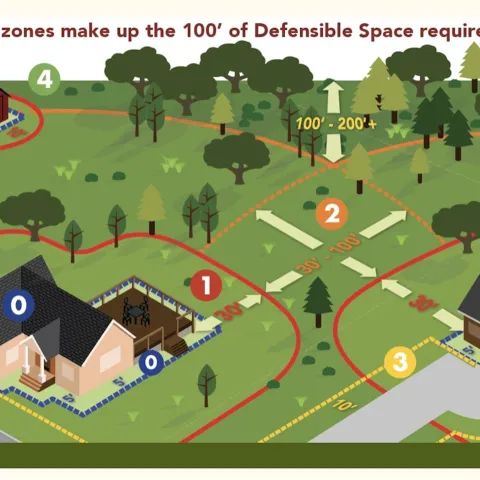
Use passive and active protection strategies to safeguard your home from wildfires

May 5, 2025
By Bonnie A Nielsen
 Marin no longer has a “fire season.” Like many other areas, our fire season is now year-round due to climate change and other factors. Southern California’s recent horrific fires underscore the urgent need to make our gardens ready for wildfire. “Create passive protection by careful garden design,…
View Article
Primary Image
A person holding an inhaler in their hand and clenching their chest.
Pests in the Urban Landscape: Article

Cockroaches, Rodents, and Asthma

May 5, 2025
By Lauren Fordyce
Some indoor pests can just be a nuisance; others can also be a health risk. Did you know that cockroaches and rodents are known to trigger asthma symptoms and lead to the development of allergic asthma for some people? This month, we recognize Asthma Awareness Month and share how you can reduce indoor…
View Article
Event Primary Image
pixabay
UC Master Gardeners of Ventura County: Event

Santa Paula AG Museum Tractor Day

Event Date
Sep 1, 2025

This beloved community event celebrates Santa Paula’s agricultural heritage with family-friendly activities, live music, captivating presentations and tours, and a deep appreciation for our local farming culture.The fair offers a fresh perspective on bridging farming’s past, present, and future through…
UC Master Gardeners of Ventura County
View Event
Cooperative Extension, Sutter-Yuba Counties: Event

Nickels Field Day

Event Date
May 14, 2025

Contact:Franz Niederholzerfjniederholzer@ucanr.edu(530-458-0570
Cooperative Extension, Sutter-Yuba Counties
View Event
Shasta County: Article

2025 May Tips 'N Topics

May 5, 2025
By Mari Szynal
In this issue:   Deadlines for Shasta 4-H Contract & SDF Entries / YQCA Certs   Whites available in 4-H Office / Buyer's Letter pointers   Calendar   Results from Inter-Mountain Favorite Foods and Home Ec & Ag Stills   Pics from: Pollination…
View Article
Primary Image
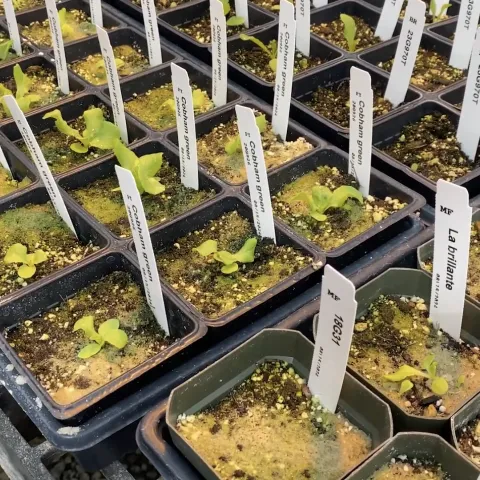
Lettuce seedlings in a tray with white plastic identification tags for each seedling
Food Blog: Article

New video series to help new California vegetable growers

May 5, 2025
By Pamela S Kan-Rice
To train new people to work with California specialty crops and update the skills of current workers, educators from UC Davis and UC Agriculture and Natural Resources, Fresno State, Cal Poly San Luis Obispo, Chico State and five California community colleges are producing educational videos.
View Article
Placer County 4-H: Page

Embryology School Program

The 3+ week long 4-H embryology program teaches youth (grades k-8) about the development life-cycle of a chicken through a hands-on experiential learning model. The 4-H Embryology curricula meets the Next Generation Science Standards. Through the 4-H Embryology program, youth will learn about:Embryo…
View Page