A Natural Solution for California's Herds: African Catfish Peptides

California's cattle producers and agricultural communities are all too familiar with the rising challenge of antibiotic resistance, making common bacterial infections harder to treat in livestock. But imagine a future where we could tackle these infections with a natural, powerful alternative. Our research points to just that: antimicrobial peptides (AMPs) found in African catfish.

We're really excited about these peptides because African catfish thrive in pathogen-rich freshwater, naturally producing these robust immune compounds in their skin mucus as a defense. This natural origin makes them highly appealing alternatives to synthetic drugs.

Predicted Safety and Potent Action

One of the most compelling aspects of these AMPs is their predicted safety for mammals. Our initial computer analyses suggest that various catfish AMPs are generally recognized as safe (GRAS). We predict they'll be absorbed in the human intestine without causing liver, brain, or heart toxicity. Furthermore, lab tests on a promising peptide, NACAP-II, confirmed it was non-hemolytic, meaning it didn't damage rabbit red blood cells—a strong indicator of its potential safety for mammalian cells.

Beyond safety, these peptides demonstrate effectiveness against problematic bacteria. One study revealed NACAP-II's strong activity against Extended-Spectrum Beta-Lactamase (ESBL)-producing Escherichia coli—a critical concern for both animal and human health due to its resistance to many common antibiotics. Another peptide, ACAP-IV, also showed antibacterial activity against E. coli and Staphylococcus aureus. We believe these AMPs work by directly disrupting bacterial cell membranes, a mechanism that makes it harder for bacteria to develop resistance compared to how they resist traditional antibiotics.

Primary Image
Lettuce
Fresno Gardening Green: Article

Select fertilizer based on plant needs

March 30, 2025
By Jeannette Warnert
By Elinor Teague  Fertilizers have changed greatly during the last twenty years. The most obvious changes have been in the reduction of nutrient percentages and in the proliferation of fertilizers specifically formulated for various types of plant – for example tomatoes, roses, citrus, lawns,…
View Article
UC Master Gardeners of Orange County: Document

Handouts

Here you will find many of the handouts that we use for gardening in Orange County.   You are welcome to download and save these for your reference.   Have further questions?   Reach out to our hotline and they can help with more information.  Send an e-mail to  ucceocmghotline@ucanr…
View Document
Primary Image
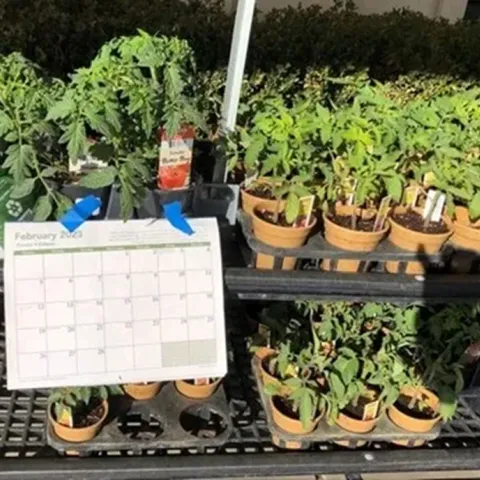
Garden calendar and seedlings
HOrT COCO-UC Master Gardener Program of Contra Costa: Article

It's Time to Plant Your Summer Tomato Crop

March 30, 2025
By Help Desk Team
It is not unusual to find tomato seedlings for sale in local nurseries and big box stores as early as February or March. Don't make the mistake of rushing to plant them in your garden. In our County it is much too early to put tomato seedlings in the garden, but it is the perfect time to make plans for a…
View Article
Primary Image
Rose
Fresno Gardening Green: Article

Rosie's corner: Hoplia beetles make their annual appearance

March 29, 2025
By Jeannette Warnert
 Did you know that the rose is the United States’ National flower? Well, apparently those flying beetles you may see on your roses this month do!  Welcome to the annual invasion of the dreaded Hoplia beetle. Picture a small child stamping their feet and saying, “It’s so unfair!”  You will have…
View Article
UC Master Gardener Program of Yolo County: Event

Grace Garden Plant Sale

Event Date
Apr 12, 2025

On April 12 from 9:00-11:00, Grace Garden will sell a wide range of tomato varieties from WCC as part of a Grace Garden/Master Gardener fundraiser at Davis United Methodist Church in the back patio area. Come visit Grace Garden and see what's new and happening!  Located at 1620 Anderson Street near the…
UC Master Gardener Program of Yolo County
View Event
Merced County Cooperative Extension: Page

Weather

 Merced, CA County has a Mediterranean climate, which is characterized by hot and dry summers and mild to cool and wet winters. Average temperatures throughout the year range from 77°F in the summer months to around 44°F during the winter. The hottest month of the year is August, when temperatures can…
View Page
Event Primary Image
2025 Small Farms Festival cover image
UCCE Plumas-Sierra: Event

2025 Small Farms Seminar

Event Date
May 6, 2025

This event is designed for livestock producers of all sizes and ages! Come learn goat and sheep herd health tips from veterinarian Rosie Bush, DVM, UC Davis, School of Veterinary Medicine, raising livestock with predators, disaster preparedness and bio-security for your livestock . This is a FREE event,…
UCCE Plumas-Sierra
View Event