A Natural Solution for California's Herds: African Catfish Peptides

California's cattle producers and agricultural communities are all too familiar with the rising challenge of antibiotic resistance, making common bacterial infections harder to treat in livestock. But imagine a future where we could tackle these infections with a natural, powerful alternative. Our research points to just that: antimicrobial peptides (AMPs) found in African catfish.

We're really excited about these peptides because African catfish thrive in pathogen-rich freshwater, naturally producing these robust immune compounds in their skin mucus as a defense. This natural origin makes them highly appealing alternatives to synthetic drugs.

Predicted Safety and Potent Action

One of the most compelling aspects of these AMPs is their predicted safety for mammals. Our initial computer analyses suggest that various catfish AMPs are generally recognized as safe (GRAS). We predict they'll be absorbed in the human intestine without causing liver, brain, or heart toxicity. Furthermore, lab tests on a promising peptide, NACAP-II, confirmed it was non-hemolytic, meaning it didn't damage rabbit red blood cells—a strong indicator of its potential safety for mammalian cells.

Beyond safety, these peptides demonstrate effectiveness against problematic bacteria. One study revealed NACAP-II's strong activity against Extended-Spectrum Beta-Lactamase (ESBL)-producing Escherichia coli—a critical concern for both animal and human health due to its resistance to many common antibiotics. Another peptide, ACAP-IV, also showed antibacterial activity against E. coli and Staphylococcus aureus. We believe these AMPs work by directly disrupting bacterial cell membranes, a mechanism that makes it harder for bacteria to develop resistance compared to how they resist traditional antibiotics.

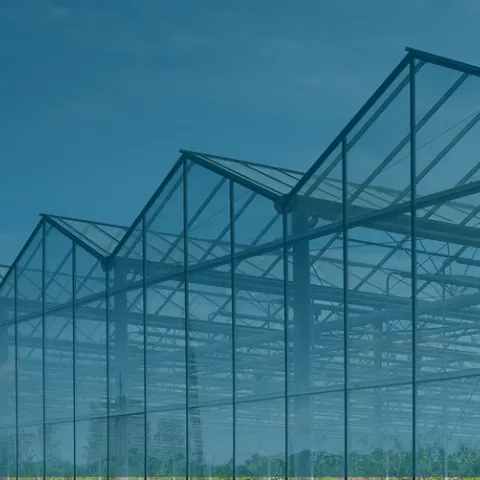
Row of large commercial greenhouses under a blue sky
Site

The Plant

Shaping the Future of Food and Agriculture InnovationFrom lab to field: accelerating sustainable solutions in agriculture, food, and biotechnology.The Plant Innovation Center is a planned 140,000-square-foot campus at the Port of West Sacramento where startups, researchers, and industry leaders turn ideas…
View Site
Wildflowers in bloom in a field
Site - Department/Service

Program Support Unit

Your Partner in Event and Meeting SupportWe handle the event details so you can focus on your program.The Program Support Unit (PSU) at ANR was established in 2010 to provide program support to academics, staff, and program teams. We work with statewide programs, institutes, leadership groups, and strategic…
View Site
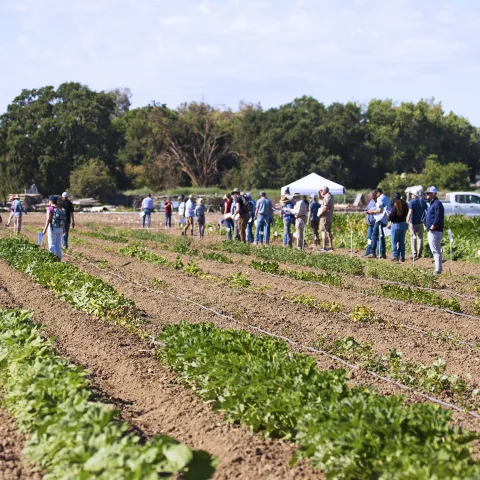
f3-local-hero-field-day
Site

F3 Local

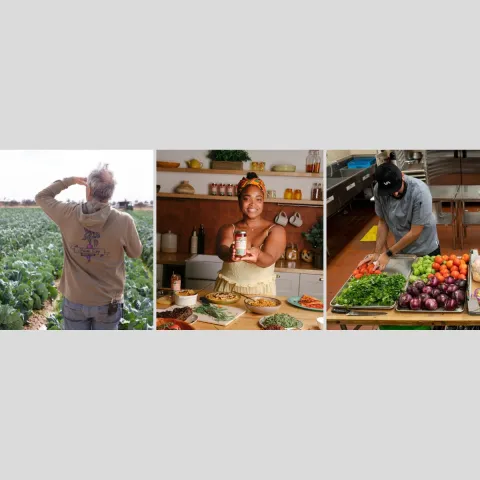
F3 Local is a regional initiative working to build a more inclusive and resilient food economy in California's San Joaquin Valley. Through practical programs grounded in the realities of small-scale agriculture, F3 Local connects farmers, food entrepreneurs, and community members to the tools, training, and…
View Site
Master Food Preserver Canning Workshop
Site - County Program

UC Master Food Preservers of Humboldt & Del Norte Counties

Preserve today, relish tomorrowThe Humboldt and Del Norte Master Food Preserver Program uses research-based methods for food preservation and food safety. We teach easy and safe canning, pickling, fermenting, freezing, and dehydrating practices.Are you on our mailing list?Provide your information to be…
View Site
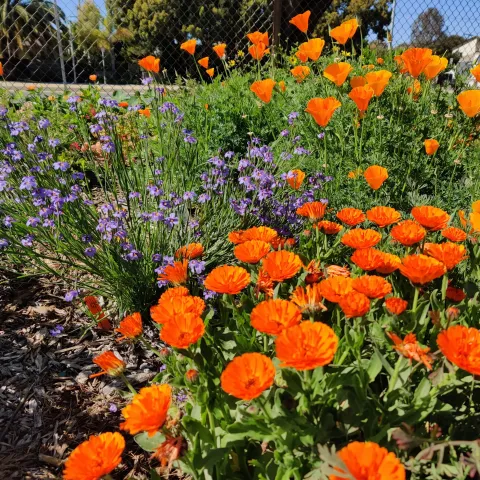
zoomed in photo of a poppy
Site

UC Master Gardeners of Santa Barbara County

Welcome to UC Master Gardeners of Santa Barbara CountyAs part of University of California Agriculture and Natural Resources, we serve our community by sharing research-based knowledge and sustainable gardening practices. Trained UC Master Gardener volunteers empower Santa Barbara County residents with…
View Site
Primary Image
Flagging Fescue Variety Trial With Smoke Blocking the Sun
Blog

The Disaster Blog

 Welcome to the UCANR Disaster Blog!From 1980 to 2024, California declared 391 disasters ranging from wildfire to drought, severe storms, flooding, and high winds. 46 of those disasters resulted in $1B or more in damages. Californians are now estimated to be impacted by at least 1 major disaster or…
View Blog
Strawberry harvesting robot demonstration at Hansen Agricultural Research and Extension Center
Site

UC ANR Innovate

UC ANR Innovate connects people, ideas, and resources to move agricultural innovation from research to adoption across California.
View Site
Collage - Alt Main Page (2000 x 400) (2).png
Site

Intellectual Property and Technology Transfer

UC ANR Launches IP Management and SupportThe University of California Agriculture & Natural Resources (UC ANR) is committed to best practices in intellectual property and technology transfer. As part of our mission to ensure that the discoveries and innovations emerging from UC ANR research and outreach…
View Site
almond blossoms
Site - Department/Service

Sample IWP Site

Explore UC ANR’s formatting guide: see headings, text, and layout examples, plus tips on best practices for clean, effective site design.
View Site
UC Master Gardeners of Tulare and Kings County: Article

California Native Bees

May 16, 2026
By Peyton Ellas, UC Master Gardener of Tulare/Kings County
We have about 1600 native bee species in California, but the honeybee is not one of them. The European honeybee is an important part of agriculture, the beekeeping hobby, and home gardens. Honeybees are easy to hold captive and move around, and the species produces honey, but it is not the most efficient…
View Article
Event Primary Image
CA natives, Paula Stapleton.jpg
UC Master Gardeners of Santa Clara County: Event

MRDG Growing California Natives in Your Garden - Cupertino

Event Date
Oct 17, 2026

Come learn about growing California natives in your garden.  UC Master Gardener Jasmine Martinez will discuss why you may want to add California Natives to your garden.  She will cover selecting, site preparation, planting techniques, and irrigation practices to establish and maintain native…
UC Master Gardeners of Santa Clara County
View Event
Event Primary Image
Syrphid fly and bee, Kathy Keatley Garvey, UC Davis
UC Master Gardeners of Santa Clara County: Event

Don’t Squash that Bug! Recognizing Beneficial Insects in the Garden - Mountain View

Event Date
Jul 11, 2026

Our gardens are home to a host of insects that prey upon or parasitize the insects that attack our plants. Master Gardener Candace Simpson will help you learn how to recognize these “natural enemies,” distinguish them from common pest insects, and encourage them to make your garden their home. Other methods…
UC Master Gardeners of Santa Clara County
View Event
Event Primary Image
squirrel snacking against backdrop of hardware cloth
UC Master Gardeners of Santa Clara County: Event

Preventing Vertebrate Pests from Eating Your Garden - San Jose

Event Date
Jun 3, 2026

Learn about the different types of damage each of these pests are capable of and how to manage each of these types of pests in your garden through things like habitat modification, exclusion, deterrence, and other control methods.
UC Master Gardeners of Santa Clara County
View Event
Financial Services: Event

Benefit Cost Transfer

Event Date
Jun 5, 2026

Last day to request Benefit Cost Transfers from Central Payroll, Contracts & Grants Accounting, or Student Accounting.Audience: All
Financial Services
View Event
Event Primary Image
Asian vegetables, collage of various varieties
UC Master Gardeners of Santa Clara County: Event

MRDG Growing Asian Vegetables in Your Garden - Cupertino

Event Date
Jul 21, 2026

The category of Asian vegetables includes a wide array of vegetables that are most popular at ethnic Asian markets. Many of these vegetables are gaining mainstream culinary followings as well. In Santa Clara County, we can grow many of them. Join UC Master Gardener Emily Maslyn who will discuss which Asian…
UC Master Gardeners of Santa Clara County
View Event
Financial Services: Event

Period 1 Closes to Campus

Event Date
Aug 6, 2026

Last day for departments to process documents for the July (Period 1) fiscal period. Documents must be fully approved by 7:00pm.Audience: All
Financial Services
View Event