
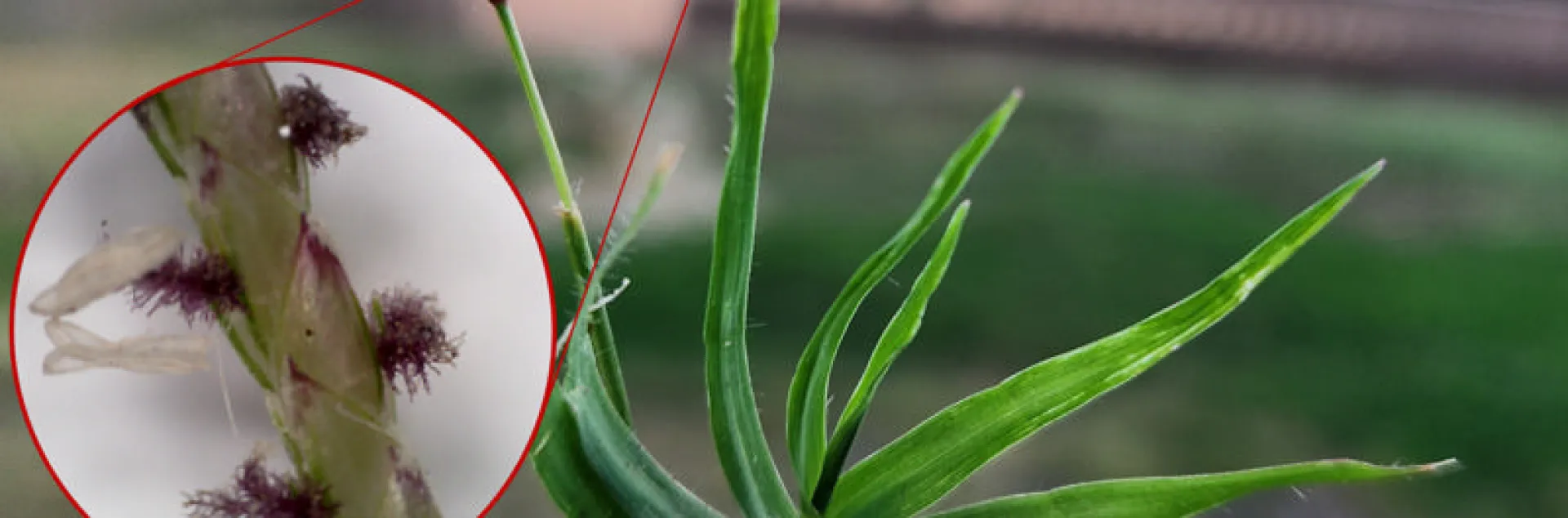
A weed is a plant growing where you do not want it. This holds very true for Cynodon dactylon, also called devil’s grass, couch grass, and dog’s tooth grass. Negative feelings stem from the aggressive posture of a grass that will take over your yard, your flower beds, and then start to the neighbor’s yard without looking back.
Cynodon dactylon, or Bermuda grass, has been used by people throughout the world. Bermuda grass started in tropical-to-subtropical regions and spread with human migration. Early-on, Bermuda grass was cultivated for animal feed and erosion control. Spanish explorers brought Bermuda grass through the Bermuda Islands, using it to feed their livestock. The Bermuda Islands gave devil’s grass its new name, Bermuda grass. During the 18th century, Bermuda grass made a happy home in the southeastern United States where it was warm and humid, just what devil’s grass wanted.
Mother Nature does not make mistakes. Bermuda grass, although being overly aggressive, is also tough, dense, controls erosion, and is low maintenance. All of these attributes have made it high-demand for lawns and areas with heavy foot traffic. If only it did not have aggression similar to a hungry alligator!
Bermuda grass is dense with tight fitting turf. Leaves are less than six inches long, attached to stems that creep until they find something to grow into or climb. Stems are built like a train track, in sections. Those sections are stolons that live above ground and rhizomes that live below ground. Bermuda grass will establish roots from any of these sections, starting a new plant quickly. Stolons and rhizomes allow the plant to spread ferociously and to rebuild quickly from any damage we try to inflict upon it.
Erosion control is a bright spot for Bermuda grass, with its deep and fibrous root system. Six-foot-long roots make it drought tolerant, tough, and a strong soil stabilizer.
Bermuda grass is low maintenance. Adequate sunlight and watering fill the needs of this plant. In warmer climates Bermuda stays green year around. In cold winters this grass goes dormant and turns brown. When soil temperatures rise back to 65 degrees, Bermuda will wake up and return to green and growing.
Why is Bermuda not the perfect lawn? Bermuda grass is invasive. It will move into other turf grasses, flower beds, vegetable gardens, and even into your home. Every stolon and rhizome will root and make a new plant, ready to overtake any existing plants and your yard. It is like the Terminator, coming back to life after digging, solarization, and chemical attacks.
Bermuda is patient. It will return by seed or sections, rooting anew. Growth might be slowed in heavy shade where the grass will become spindly and easier to pull. In mottled shade, (shade provided by other plants), Bermuda will become more determined to reach sunlight.
Mowers that have been used on Bermuda, whether it is a borrowed mower or your mow-blow-and go guy’s mower, will disperse seeds and stolons throughout your yard. Out of nowhere, your beautiful fescue lawn has patches of a different color growing in it, Bermuda with six-foot-roots. Any lawn clippings must be completely composted before using them. Bermuda grass is labeled a noxious weed because it will invade native ecosystems and dominate any other plant. The moniker, devil’s grass, was given by farmers trying to fight the plant’s takeover of fields of crops.
If you are under attack by Bermuda in your yard, you must return fire with the same determination. Control the grass as you would a puppy. Establish limitations and be consistent. If you notice stolons or rhizomes, dig them back to their starting point, carefully removing each piece and disposing of it properly. The Caddy Shack approach will not work, other than dynamiting pieces and plants to a further blow zone.
Mother Nature did not get it wrong; she just got it too right. If Bermuda grass could live within constraints, more yards could embrace it. Use caution if it starts your direction.
Julie Silva is a University of California Cooperative Extension Master Gardener of Tuolumne County. UCCE Central Sierra Master Gardeners can answer home gardening questions, from rainwater tanks to drought-resistant plants. Call 209-533-5912 or fill out our questionnaire online. Want to learn more about UC Master Gardeners? Visit our webpage , find us on Facebook, or on the radio at kaad-lp.org or 103.5 FM on Motherlode Community Radio.