


Report • December 2025 • Download PDF (1.2 MB)
Background

During a U.S. government shutdown in October-November of 2025, the federal government failed to fund Supplemental Nutrition Assistance Program (SNAP) benefits on time for the first time in the program’s history. As a result, more than 40 million Americans participating in SNAP, including 5.5 million in California, where the program is known as CalFresh, risked not receiving their November 2025 monthly benefits on time. This happened on top of an already high need for charitable food assistance due to factors including the government shutdown’s impact on federal workers’ paychecks, fear of immigration raids leading some to avoid work and/or school, and high food prices resulting from inflation and tariffs. While a federal court ordered full funding of SNAP benefits on November 6-7, and a few states began issuance, the Supreme Court later granted an emergency stay pausing the order. When the government ultimately reopened on November 12, 2025, the process of fully restoring SNAP benefits nationally began. The actual timeline of benefit distribution varied across states, with many not issuing full benefits until November 18th, but California began distributing full CalFresh benefits on November 6, 2025. While California was relatively early among states to restore benefits, 60% of CalFresh participants that normally receive benefits earlier in the month did not receive their benefits on time. These participants experienced the stress of not having the money for food that they typically rely upon in the first few days of the month; and all CalFresh households, regardless of when they ultimately received their November benefits, faced the uncertainty of when or whether CalFresh would be restored.
Since the beginning of the federal shutdown, food banks and other charitable food organizations had been quickly mobilizing to fill the gaps created by delays in federal paychecks and the anticipated delays in CalFresh benefits. The California Association of Food Banks (CAFB), a membership organization of 42 food banks across the state, launched an effort to assess the impacts of the shutdown on member food banks. While some key metrics, such as pounds of food distributed and changes in demand, could be obtained through administrative records and surveys of network members, other important metrics are not part of traditional reporting by food banks and pantries and therefore could only be ascertained through direct observations at food distribution sites. These observations included the atmosphere and capacity of sites as well as the flow of food and people, which serve as vivid indicators of how the charitable food system is impacted by and responds to drastic surges in community need, such as during the federal government shutdown. The Nutrition Policy Institute (NPI) at the University of California, Agriculture and Natural Resources (UC ANR) partnered with CAFB to send volunteer researchers to food distribution sites to capture the experiences at the sites. This report details what was done and what was found.
Methods
On Friday, October 31, 2025, researchers at NPI met with the Director of Research and Strategic Initiatives at CAFB to discuss potential collaboration. The aim was to quickly capture observational data describing the circumstances at charitable food distribution sites during the first weeks in November, when it was clear that the expected SNAP benefits would not be distributed on time, if at all. During the following week, the two organizations partnered to develop data collection tools and methods, recruit volunteer data collectors, and contact member food banks to assess their willingness to participate. Twenty-four individuals, including staff members at NPI and other nutrition-focused programs within UC ANR, expressed interest in collecting data, and twenty food distribution sites, including both food bank and partner agency sites, agreed to have volunteer researchers visit, observe their food distribution, and conduct a brief interview with a staff member or volunteer.
An observational data collection form was developed to capture the time of day sites planned to open and close, the actual opening and closing times, the number of households waiting at opening, the time the first people arrived to receive food, the amount of time it took people to be served, the types of food distributed, whether all or some of the food ran out, whether food substitutions were made, and other observations, such as a qualitative assessment of the atmosphere at each site. Additionally, a short interview guide was developed to elicit staff or volunteer impressions of the distribution, how the number of clients compared to typical distributions, and any other notable observations they had. The data collection forms were created by NPI researchers and revised based on feedback from experts in community nutrition and food systems, including practitioners and researchers. Data collection did not include any interaction with the clients seeking food assistance. A one-hour training for volunteer data collectors was conducted on Thursday, November 6, 2025. The training was recorded for volunteers who were unable to attend.
Results
Site Characteristics
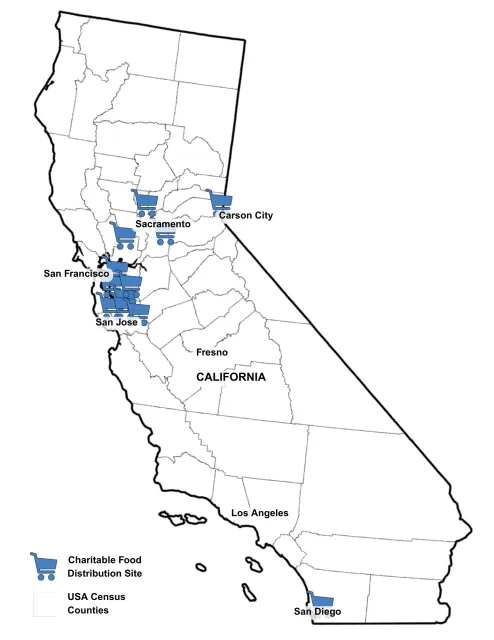
Data collection began on Saturday, November 8, 2025, and was completed on Monday, November 17, 2025. Ten data collectors observed distributions at twelve charitable food distribution sites in California. Seven sites were in the San Francisco Bay area (Alameda, Berkeley, Fremont, Oakland, San Mateo, Santa Clara, Saratoga), four were in the greater Sacramento County/Sierra region (Citrus Heights, Kings Beach, Winters, Yuba City) and one was in north San Diego County (Poway).
Figure 1. Locations of SNAP Disruption Charitable Food Distribution Data Collection
Wait Times
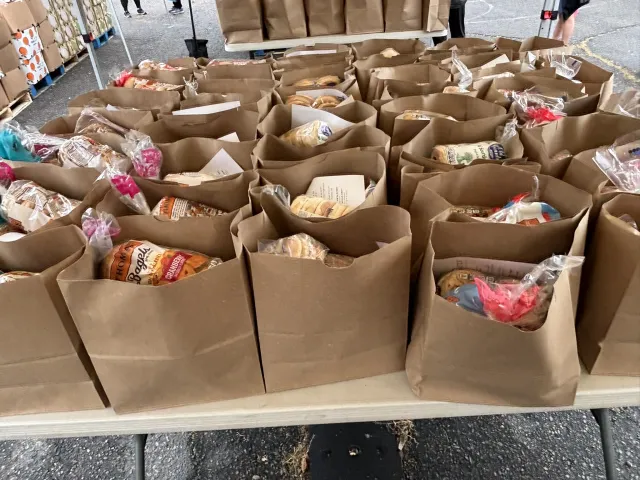
Most sites (n=9) provided a selection of foods from which people could “shop” in order to select items they were interested in; three sites distributed standardized boxes or bags that did not offer clients a choice of items. All sites distributed a variety of foods, with seven sites offering a wide selection of fresh fruits and vegetables, such as persimmons, eggplant, chard, brussels sprouts, sweet potatoes, cabbage, kale, squash, and other items. A few sites focused on shelf-stable items, such as canned fruits and vegetables, canned beans, and packaged grains. One site primarily provided a large number of ultra-processed foods, such as cookie dough, instant ramen, vegetable chip snack packs, and similar items, while other sites offered a more limited number or no such items.
All sites had lines of people waiting to receive food before the site opened. Data collectors estimated a range between 15 to uncountable hundreds of individuals or cars waiting at the sites 5 minutes before opening. Eight sites had countable lines of people waiting, with an average of 56 people in line for food at time of the site’s opening. At all sites, the last person in line upon the site opening waited less than one hour to be served; the wait time ranged from 18 minutes to 54 minutes, with an average wait time of 34 minutes for service once the site opened. The site with the most people who could be counted in line at the beginning (n=100) also had the shortest wait for the last person in line to be served once the distribution began (18 minutes).
Many people seeking food assistance arrived at the distribution site well before it opened to ensure they would get food. Nine of the 12 sites opened in the morning, most of them at 10 or 11 a.m. At five of the 12 sites, staff reported that the first people lined up for food between 3:30 a.m. – 6 a.m. Only a couple of sites had people lining up within less than an hour of service; at most sites, people began arriving at least a couple of hours before the site planned to open. As the Executive Director of one site described:
The food insecurity piece, they [people seeking food assistance] were, they were almost fearful, more so than normal. People lining up at 4am and really worried that we were going to run out of food. …. So, I would say that that was what had increased more over than a typical pop-up food distribution. (Site 2, 11/8/2025)
At another site, the Program Director said, “I do notice a bit of a scarcity mindset increasing. It just seems like folks are more stressed out…” (Site 4, 11/12/2025) Thus, fear of not getting food was particularly concerning for some people seeking assistance during this time.
Foods Lasting or Running Out
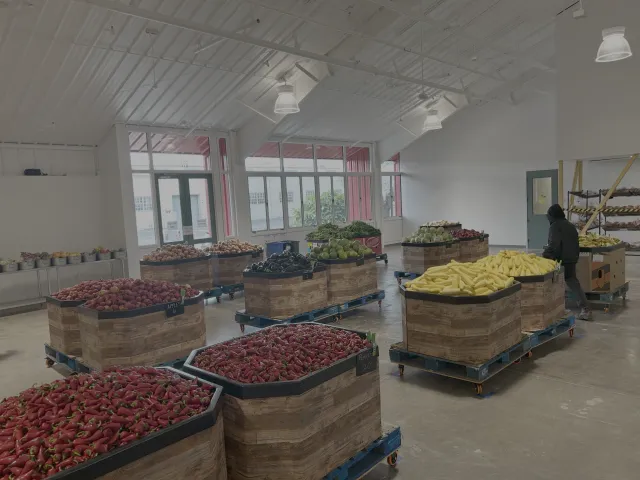
Over half of sites (n=8) had to make substitutions for food items that were depleted during the distribution process. In some places, the substitutions were minimal. One site ran out of celery and replaced it with cabbage; another similarly replaced potatoes and eggplant with packaged salads. One site ran out of fresh vegetables entirely, replacing them with canned foods; however, this happened only after most of the clientele had been served. At another site, depleted non-perishable items were replaced by providing twice as much produce as well as canned tuna. Another site that intentionally distributed all food they had ran out of whole fruits first, then meats and frozen foods, followed by baked goods and sweets. All food was depleted at three sites but only one had people waiting (n=2) when the food ran out; another had people come a few minutes after the site closed and the volunteers scoured the facility to provide them with food items. Generally, the sites reported different kinds of food items running out first, but a few said milk tends to run out first and a couple said meats and fresh produce tend to run out. One site mentioned that they have noticed they have had more shortages of items, especially protein items, after cuts in USDA funding for agricultural programs earlier in the year. As one volunteer said:
Early in the year, it struck me that we...actually had a lot more food before the USDA cuts, the billion dollar cuts...And so we've sort of been kind of operating, sort of a little bit of a low amount of supplies since then, like, we haven't had proteins...[in the past] we always had at least chicken or fish or something. (Site 11, 11/15/2025)
Yet, at another site, the program manager mentioned that they had been giving out more food recently thanks to increasing donations from grocery stores as a result of SB-1383 implementation. As the Program Manager said:
We have started giving out more food items here, especially offering a little bit more choice, and that’s because we’re rescuing more food items now. We’re finally catching up with the grocery stores on SB-1383 food donations. Because we are giving out a choice of meat, eggs, dairy…
(Site 4, 11/12/2025)
Households Served
The sites served 71-828 households per day during the seven days of observed visits. Of the 12 sites visited, only one site served fewer than 100 households; three sites served 100-250 households, and eight sites served >300 households. In total, the sites served a combined 4,440 households across all observation days, with an average of 370 households served per site. At most sites (75%,) very few children under 18 years were present (approximately 10% or fewer of the clients); at one quarter of the sites about 10-25% of the clients present appeared to be children under 18 years old.
Most sites had anticipated high numbers of attendees at their distributions, and for the most part, this was the case on the day observed. Eight of the twelve sites reported that they served more households that day than would be typical, specifically due to the CalFresh benefit disruption. The degree of the increase varied across the sites, with some saying it was 5-10% more than typical and others reporting the increase to be more dramatic. At most sites this increase happened on top of an already heightened demand that had been noted in recent months, much of which was attributed to fears related to immigration raids, people losing jobs and income as a result of the government shutdown, and high food costs associated with other federal policies. Some of the variation in attendance likely resulted from CalFresh benefits being restored and distributed before we completed data collection.
In terms of the types of clientele visiting the sites, about half of the sites reported that the clientele on the observed distribution day were similar demographically to their typical clients. At a couple of sites, clients were described as being younger (more people in their 20s), and at another they said there were more white people and fewer Asian and Latino clients than expected. At one location, because of anticipated high demand and concerns about resulting traffic safety, the distribution transitioned from the usual drive-through model to a temporary model that required people to get out of their cars and wait in line on foot. This created difficulties in providing accommodations to clients with physical disabilities. Many clients were unaware of the change before their arrival, and, as a result, were not prepared to walk to get into the line or to stand in line. Staff members at the site assisted people who asked for help, but these situations added stress for clients and resulted in longer wait times.
Many sites reported that their clients were more fearful both about immigration raids as well as about food running out. A number of sites reported that their clientele were experiencing more stress. As the Executive Director at one of the sites said:
There was a lot more people… There was definitely new clients, clients that we didn't recognize. We had some people that were coming from out of the area… we don't turn anyone away. And like I mentioned before, demographics kind of seemed similar, but the mindset was a little bit more panicky. They were, they were definitely worried. And it was, it was a tangible fear… Like, I feel like they that there was a tangible fear in the air. And I feel like once we assured them, “hey, there's going to be enough food,” then it was okay. But it was interesting. There's a definite need in the community, and I feel like people are scared… (Site 2, 11/8/2025)
Site Atmosphere
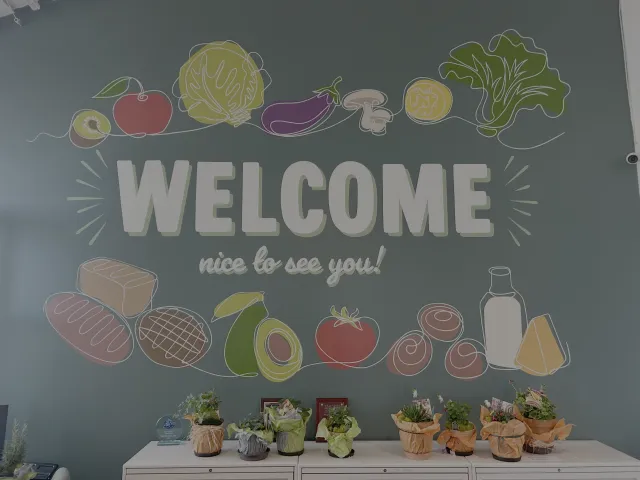
Despite the increase in client fear about food running out, the most common description by observers of the food distribution sites was that they were orderly and calm. The volunteers and staff were welcoming and professional, and in many sites the rapport between clients and staff was clearly engaged and friendly. The words data collectors used to describe the environments at the sites included, “friendly”, “warm”, “welcoming”, “laughter”, “kind”, “professional”, “compassionate”, “talkative”, and “inclusive”. One data collector noted, “The food distribution went really quick and both the volunteers and the clients are smiling and happy.” At one of the observed distributions that happened in the pouring rain, the atmosphere felt a little more stressful and chaotic to the staff, though the data collector observed a calm and organized environment. While many clients were anxious about getting food and worried that it might run out, there was much relief among clients when that did not happen and everyone was able to be served.
It was clear that the sites visited had done a lot of work to prepare for crises. They responded to a higher demand for food, meeting the moment with care, compassion, and creative strategies to make a bad situation a bit better for the people most impacted. The sites had implemented systems to serve clients even when the needs were far greater than they might have otherwise been. One site purchased and distributed gift cards for a local grocery store. Some sites after their experiences during the COVID pandemic had renovated their spaces to better accommodate more people and more food. All sites had secured and trained numerous volunteers who were friendly and professional. As one Director described:
And another thing that's really awesome is the volunteers, people really want to help. You know, the community members really want to rally around, and it's a beautiful thing, like we talked earlier, it's a bittersweet thing, you know, it's wonderful to do it and to help people, but it's sad to see the need. (Site 2, 11/8/2025)
Conclusion
The CalFresh benefit disruption caused by the 2025 government shutdown led more people to seek food assistance from charitable organizations. This increased demand was compounded by other effects of the ongoing shutdown, immigration raids, and rising food costs. While the data collection was undertaken as quickly as possible, it also missed the peak of the CalFresh benefit disruption, as most of the visits took place after some CalFresh benefits in California had been distributed. Still, most of the sites visited experienced increases in service volume, ranging from about 5-25%. A few sites noted serving more people on the observed distribution day than they had ever served before. People seeking charitable food during this time period were more anxious and fearful, deeply worried about getting food. Across many of the sites, people lined up hours before the food distribution was scheduled to begin, often in the very early morning hours between 3:30-6am.
Despite the increased fear, anxiety, and demand for food, food banks and their partners can be commended for nimbly adapting to meet the demand during this crisis. The 12 distribution sites observed provided service to people who were experiencing fear and stress during a very challenging time. This was a convenience sample of sites that agreed to participate in data collection and were located within driving distance of the volunteer data collectors. While generalizability is limited, these rapid findings offer useful insights into potential impacts on charitable food system operations and their ability to address food insecurity under significant funding constraints. Remarkably, despite these constraints, data collectors observed friendly interactions between clients and staff/volunteers and an overwhelming willingness on the part of the food distribution programs to gracefully and compassionately serve food to those lacking adequate resources to purchase it from other channels. All sites had purchased or received donations of fresh foods along with protein foods and nearly all had limited ultra-processed foods. Only a handful of sites distributed all food available, and in at least one case that was by design. Despite the widespread spike in demand across all sites visited, no community members seeking food were turned away empty-handed. Thankfully, the sites, and the charitable food system more broadly, did not have to endure more time without people having received their CalFresh benefits. It is not clear whether the resources would have been available longer-term if the delay had continued.
Acknowledgements
Many individuals and organizations quickly mobilized to make this report possible. We are grateful to the leadership of the California Association of Food Banks as well as to all of the member organizations that agreed to participate in the data collection as well as the staff and operators who reviewed the data collection instruments and this report. We greatly appreciate the program staff and volunteers who spoke with data collectors and shared their experiences and impressions. We thank Carolyn Rider and Janice Kao at the Nutrition Policy Institute for feedback on data collection methods. It was an enormous effort on very short notice for the data collection and report writing team as well as the charitable food system organizations, staff, and volunteers to collaborate on this effort, and we are so appreciative of the opportunity to capture the experiences of these distribution sites during a crisis.
Suggested Citation
Gosliner W, Tan ML, French C, Lee DL, Nguyen C, Sam-Chen S, Strochlic R, Westfall Brown M, Zuercher M, Dias Rios K, Erickson A, Resnick A, Shea M, Ritchie L, Vasicsek R, Thompson HR. November 2025 SNAP benefit disruption: Findings from a rapid-response observational study of charitable food programs in California. Nutrition Policy Institute, University of California, Agriculture and Natural Resources. California Association of Food Banks. December 2025.
University of California Agriculture and Natural Resources is an equal opportunity employer.
© 2025 UC Regents, Creative Commons 4.0 International License.
