Project Board Help

Test PB Collection: FTE

Test dynamic

Primary Image
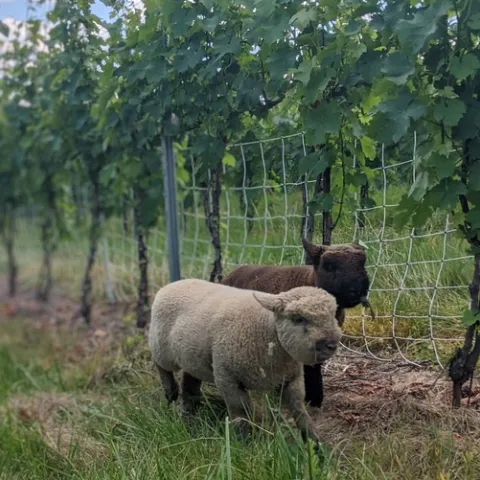
Sheep
San Diego County Climate Smart Agriculture: Article

Sheep in the Vineyard?

May 24, 2024
By Michael Jaquez
Historically, farmers raised both crops and livestock because they are mutually beneficial.
View Article

June 2024: Growing Edibles in Containers
Primary Image
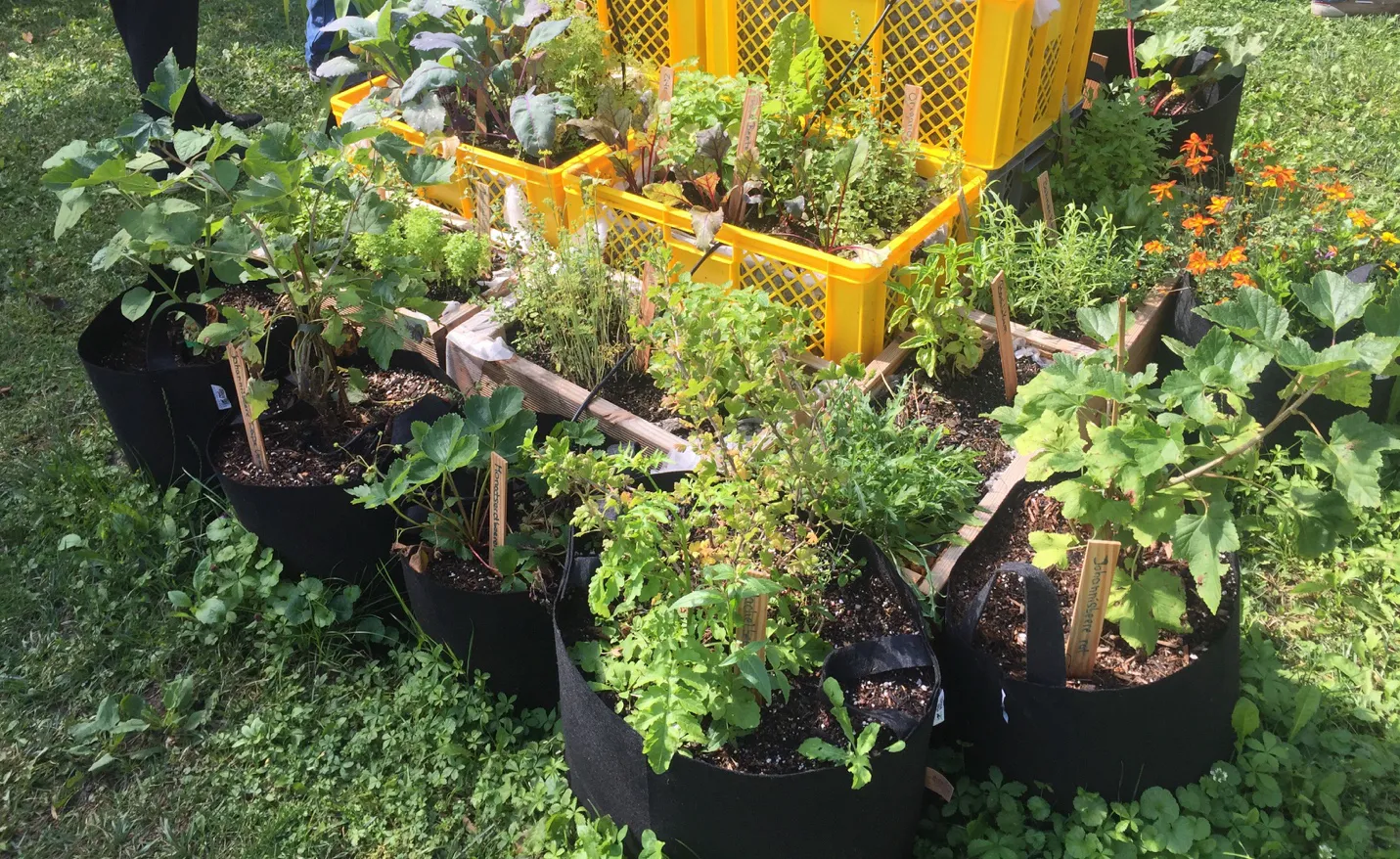
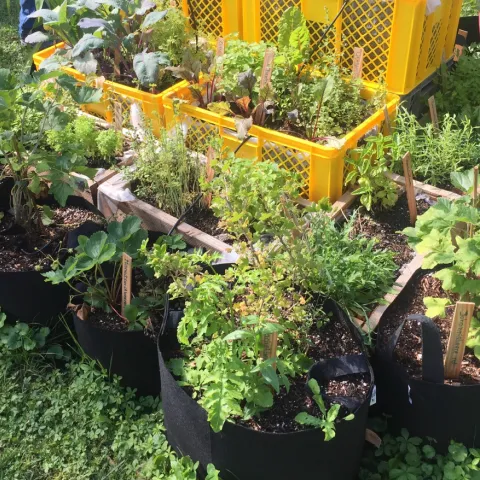
A combination of grow bags and other containers can be used to create a portable edible garden
Body

Container 1
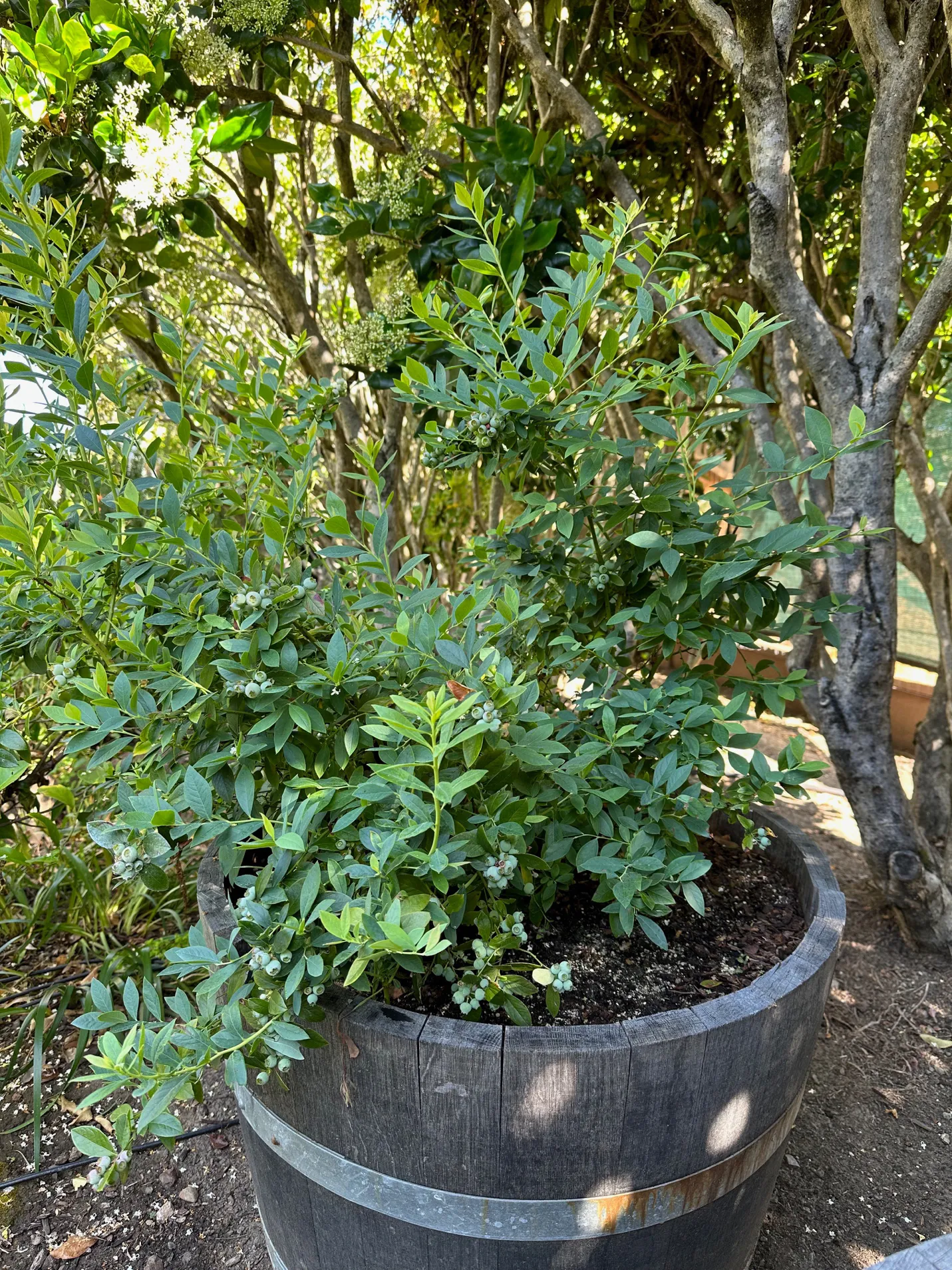
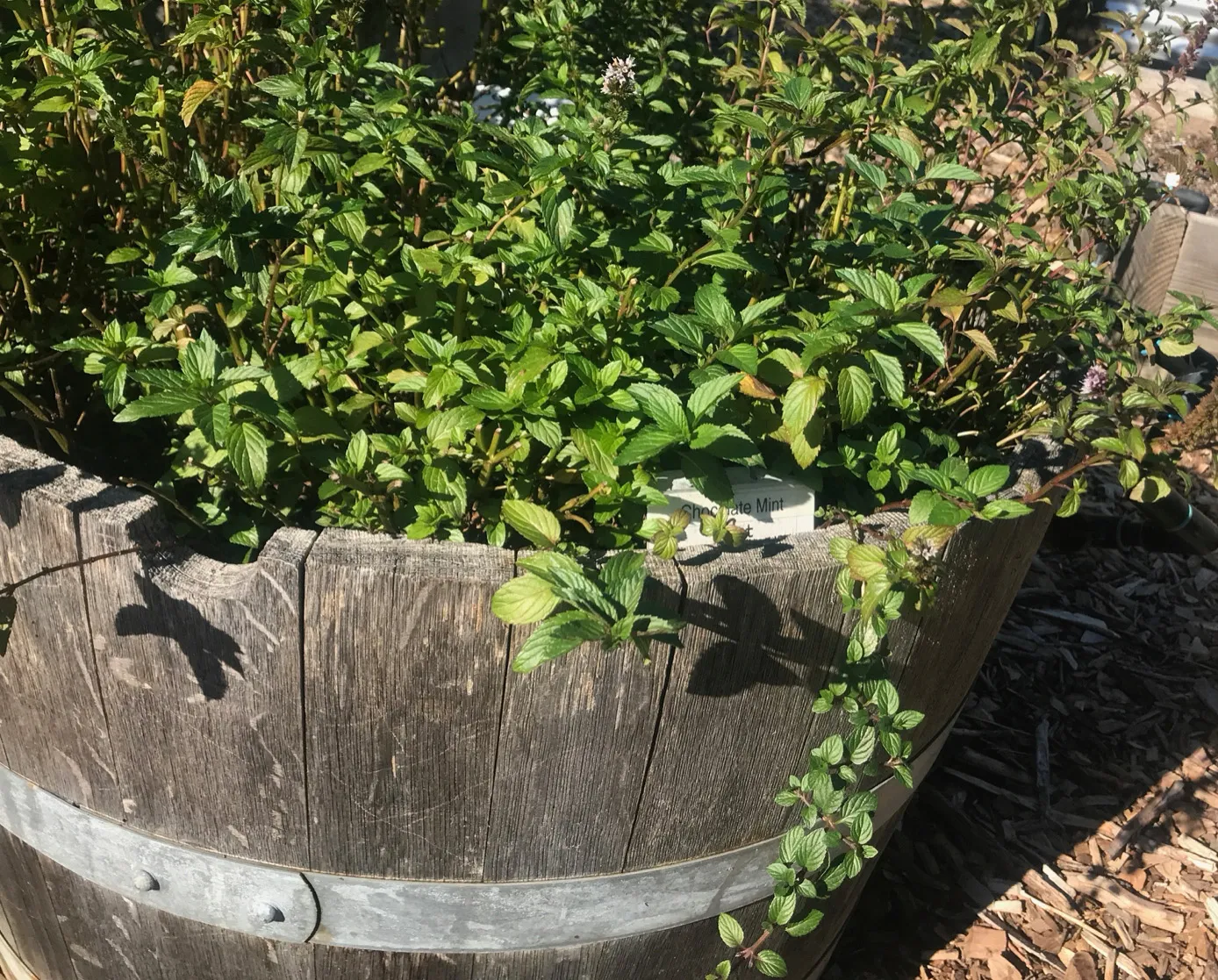
Maximizing the use of space to grow edibles is always a consideration in the Edible Demonstration Garden. Planting veggies in containers has proven to be an excellent way to expand the garden’s growing capacity and learn more about how to best care for container crops. A container for edibles can be any receptacle that will hold enough soil to support plant growth. Spaced among the ground level and raised beds in the garden, are several large, galvanized troughs and half wine barrels planted with annual herbs and perennials. A year ago, grow bags were added. Grow bags are fabric bags designed to hold water and soil. Their portability makes it easy to place them in the best location. Grow bags were used to transport plants to the Marin Master Gardeners’ booth in last year’s County Fair and they will be there again this year.

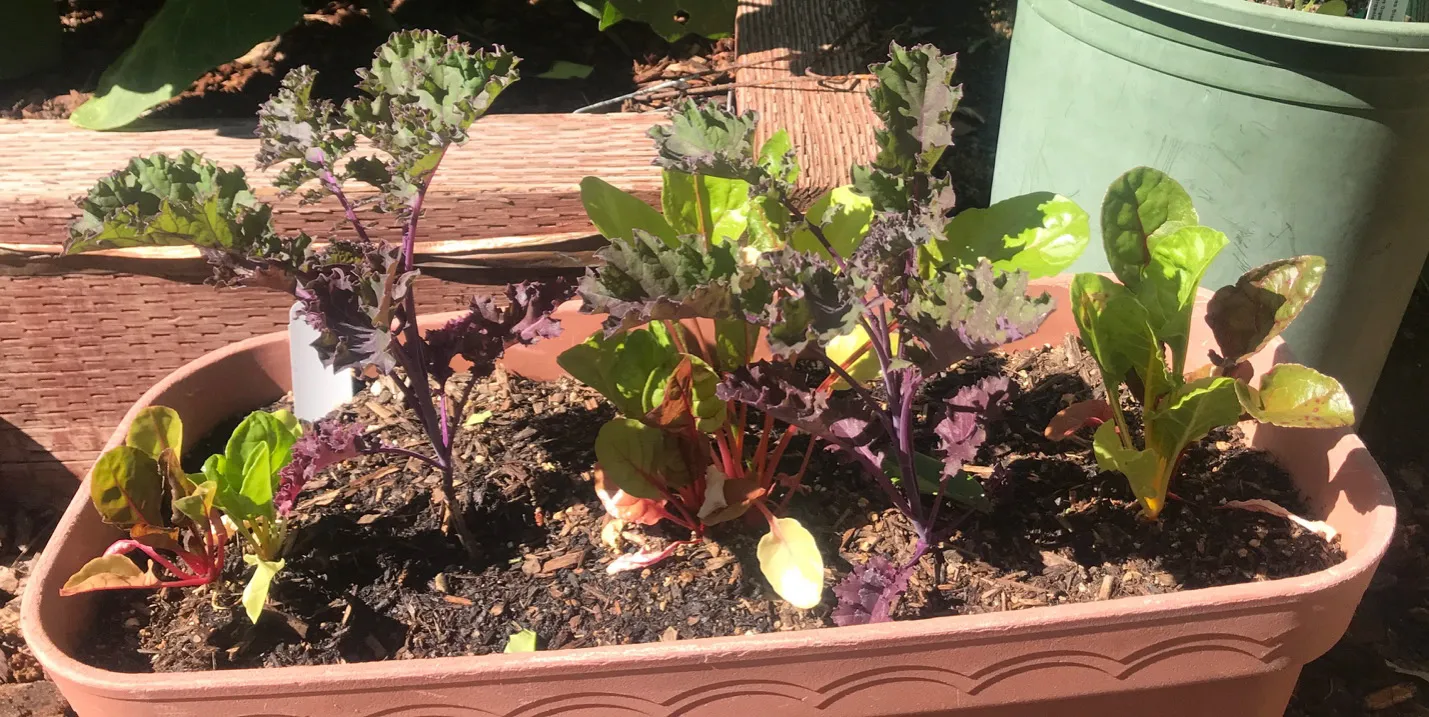
In May, volunteers began planting edibles in 18 five-gallon square containers donated by the Indian Valley Organic Farm and Garden. The containers were drilled for irrigation lines and drainage, placed on wood pallets, and filled with compost and planting mix. Plants chosen for the new containers include peppers, tomatoes, tomatillo, eggplant, sage, thyme, dill, and Mexican tarragon. There will be an opportunity to compare the container grown plants with similar plants grown elsewhere in the garden.

What kinds of containers are best for growing edibles?
Container 2
Container 3
Most containers can work if they are deep enough and have good drainage. Salad greens and some herbs can grow in a minimum depth of 6 inches, but almost all annual veggies can grow in containers that are 24 inches or more in depth. Regardless of the depth, good drainage is essential. It may be necessary to drill holes for drainage to ensure that water does not collect around the plant roots and cause root rot.

Do edible plants in containers need extra care?

Any vegetable or herb that can be grown in the ground or a raised bed can be grown successfully in a container, however the best choices are high yielding and dwarf varieties. A high-quality planting or potting mix should be used to fill the container. Avoid garden soil as it tends to become compacted and may contain soil borne diseases. More frequent watering may be necessary to keep the soil moist, but it shouldn’t become saturated. Frequent but light application of organic fertilizer helps to replace the nutrients that are leached out of the container. If the plants require some support, stakes or trellises should be installed at planting time to avoid disturbing the growing roots.

What are the advantages of growing plants in containers?
Container 4
The primary advantage of container gardening is the ability to grow edibles where space is limited. Decks, balconies, driveways, stairways, patios, and roofs can all serve as garden spots for container plants. Wherever there is sun exposure and a water source, container plants can thrive.

Another advantage of container grown plants is the ability to relocate them to the sunniest areas of the garden. Most annual edible plants require a minimum of six hours of sun a day. The ability to move plants around to take advantage of the best microclimates can extend the growing season for many vegetables and herbs. Containers can also be used to control plants such as mint, that like to spread to garden areas where they are not welcome.

Plants in containers are more accessible, making caring for them more convenient. There can also be fewer disease and pest problems. In addition, arrangements of healthy, growing plants in containers are visually pleasing and add interest and enjoyment to any location.

Click here for more information on growing edibles in containers.

UC Marin Master Gardeners
Primary Image
Sue picture 1
Fresno Gardening Green: Article

African violets have babies!

May 24, 2024
I couldn't figure out why my African violets were losing their beautiful rosette shape. I kept snipping leaves in an attempt to restore the shape, but the leaves on my plants were getting more crowded. Then I learned that, as an African violet matures, it produces baby plants or pups.
View Article
Primary Image
Reduce conditions favorable to spider mites by providing adequate water for your plants and reducing dust on and around the leaves. (Photo: UC IPM)
Fresno Gardening Green: Article

This week in the garden: May 24 - 30

May 24, 2024
I try to rely less and less on controlling nature. Instead I am learning to live with its chaos. ~ Mas Masumoto Tasks Monitor fruiting pear and apple trees for codling moth. To control powdery mildew on grapevines, apply sulfur every 14 days until fruit begins to taste sweet.
View Article
Primary Image
This pink-flowering Deutzia is a standout in a shady woodland garden. J.C. Lawrence
The Real Dirt: Article

Shrubs for Shady Spots in the Garden

May 24, 2024
Summers are getting hotter in much of the U.S., including our local environment. One way to counteract this change in climate is by planting trees to provide more shade in the summer months. But adjusting to a shadier garden also means shifting to different plant choices.
View Article
Primary Image
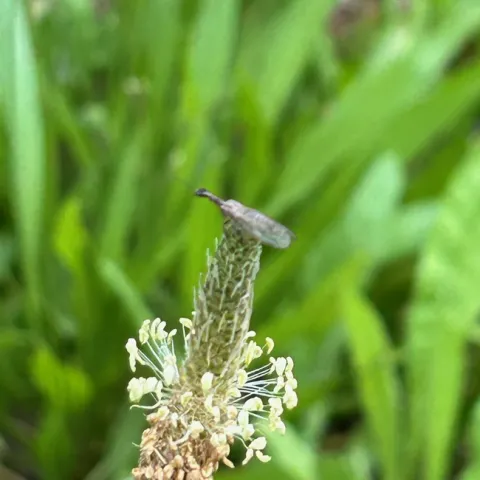
snakefly
Topics in Subtropics: Article

Snakeflies

May 23, 2024
By Ben A Faber
Watch out ACP, Persea Mite, Avocado Thrips. Here comes Snake Fly. Not a snake. And not a fly. But a snakefly. It's always fun to be reminded that there are lots of different predators out there, and this one is one of the more voracious.
View Article