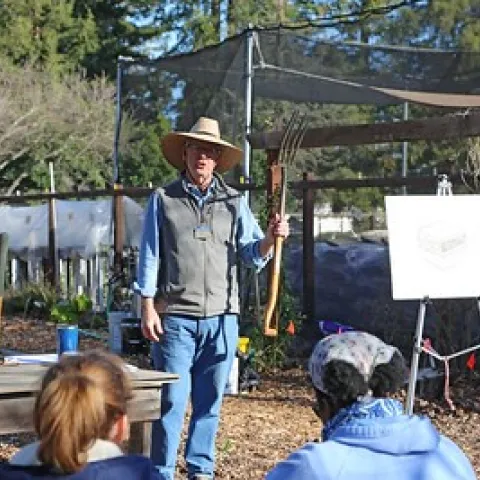
Article By Ann Ramirez Photos by Hedwig Van Den Broeck-Claeys Spring is here, and Summer is coming. We had our first group of enthusiastic beginning vegetable gardeners in February and are now beginning our May course.
Article by Meb Phillips Photos by Mary Beth Phillips In some indigenous cultures, often in May, the golden triangle of the corn seed, the glossy brown bean, and the hand-pie-shaped squash seed are planted together in a mound. These are called the Three Sisters.
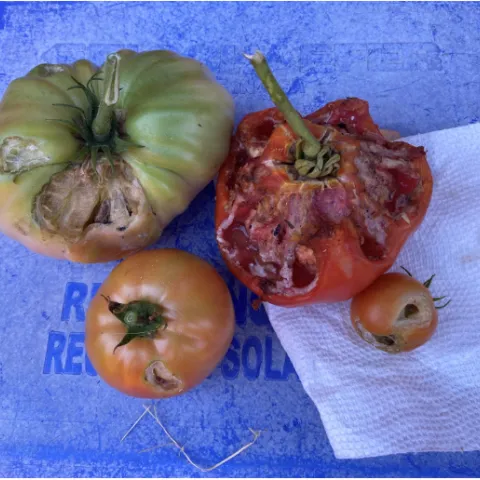
By Susan Heckly Thank you for contacting the UC Master Gardener Program Help Desk and for sending a photo of your poor tomatoes. If the tomatoes were still on your plants and not moved a distance away when you discovered this, it's rats doing the damage.
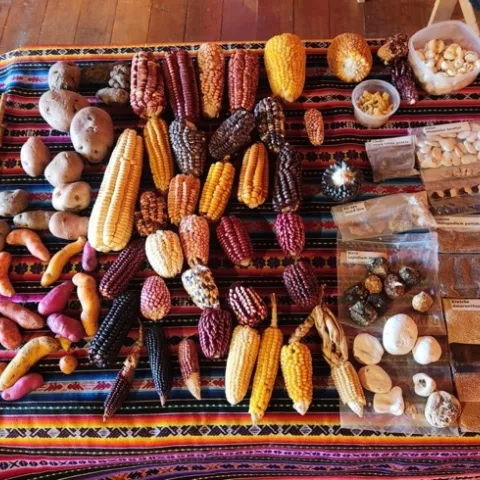
Article & Photos By Anne Sutherland My honey and I recently returned from the trip of a lifetime in Peru and the Galapagos. To our delight, biodiversity specialist Maywa Blanco talked about Perus many varieties of potatoes and corn when we were in Cusco.
Article by Liz Rottger Photos by Brian Kerss This past winter, Brian Kerss and Liv Imset decided to prune a large elderberry tree at the Low Water Garden in Richmond. The tree had struggled through the entire summer with a heavy infestation of aphids and the pursuant black sooty mold.
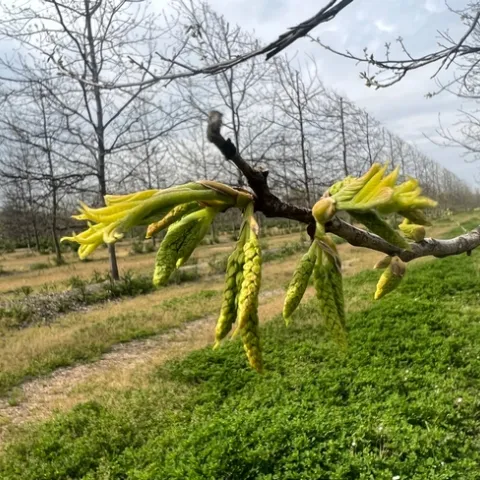
UCCE Tulare County recently joined an international group of scientists focused on leveraging pecan genetics to develop trees adapted for the diverse geographic regions in which the trees are cultivated and for tree resilience in the advent of climate extremes.
It began with an idea forged by Hagen-Dazs and UC Davis. Recognizing a need for the public to better understand the link between bees and our food supply, the garden was created in Spring 2009 thanks to a donation from Hagen-Dazs.
Introduction: Pollinator insects are essential to produce many economically and nutritionally important crops grown in the western USA. These crops include blueberries, almonds, sunflowers, cucurbits, and many others.