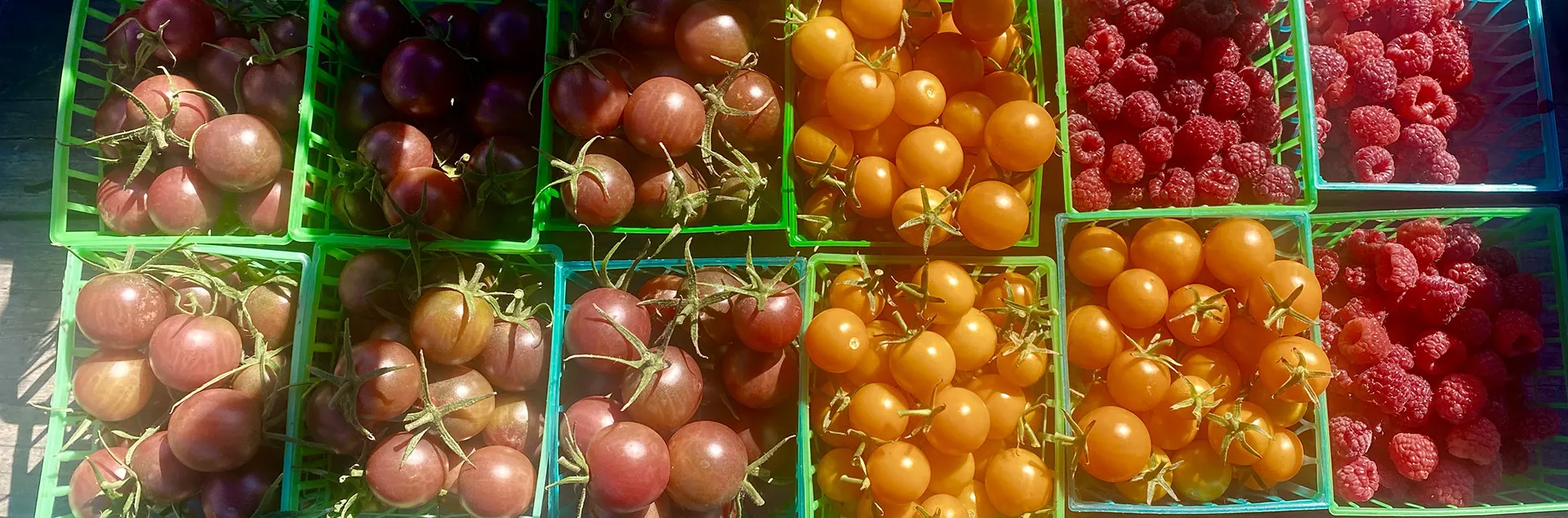

cherry tomatoes and raspberries from the Edible Demo Garden at Indian Valley College Novato CA
mg-logo
UC Marin Master Gardeners

Edible Demo Garden

The Edible Demo Garden at IVC Organic Farm & Garden

EDG Garden view

The 2100 sq ft Edible Demonstration Garden at Indian Valley Organic Farm and Garden (IVOFG) in Novato was designed and installed by UC Marin Master Gardeners in 2016 and is a hands-on teaching tool for UC MMG and the public.  The garden showcases sustainable agricultural practices while growing over 100 varieties of vegetables, flowers, fruit and herbs using a variety of growing situations that are options for Marin gardeners.

News from the Edible Demo Garden

What you can do at the Edible Demo Garden

edg MMGs working, Perrin copy

Visit the garden
Drop in any first Friday of the month between 9am-11am. We will give you a tour and answer any gardening questions.

Guided group tours
Private educational tours and training are available to groups. To schedule a private tour, contact us at EdibleDemoGarden@MarinMG.org

Buy our sustainably-grown, organic produce at the Farm Stand
All produce grown in the garden meets the Marin Organic Certified Agriculture (MOCA) requirements and is sold at the IVOFG farm stand or included in the farm's CSA boxes. The farm stand is open Saturdays 10am - 1pm July through October.

Learn from our workshops:
• Offered periodically on Saturday mornings during the year
• Learn how to plant, maintain and harvest vegetables, identify and manage pests and problems, and maintain soil fertility.
• Check for upcoming workshops/events on our events calendar

Email us at the Edible Demo Garden for more information

HOW TO GET THERE

College of Marin Indian Valley Campus
1800 Ignacio Blvd
Novato CA 94949

> Directions to Indian Valley Organic Farm & Garden
_____________________

OTHER UC MMG 
DEMONSTRATION GARDENS
> Harvey's Garden at Blackie's Pasture, Tiburon
> Falkirk Demonstration Garden, San Rafael

LEARN HOW TO GROW EDIBLES IN STRAW BALES

> BACK TO ASK US
Primary Image
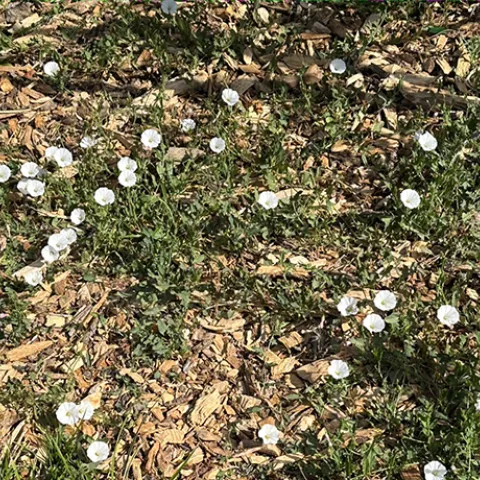
Field bindweed is a perennial garden weed also known as wild morning glory
UC Marin Master Gardeners: Article

September 2024: Tackling the Weeds

August 24, 2024
No matter what season, there is always weeding to be done in the Edible Demo Garden. Weeds seem to pop up everywhere...
View Article
Primary Image
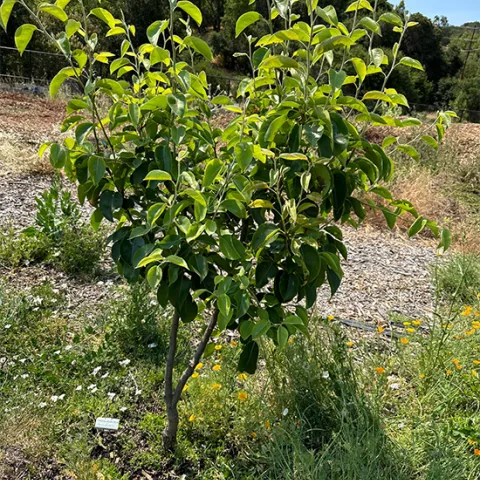
This Asian pear tree has been pruned for optimum size and shape.
UC Marin Master Gardeners: Article

July 2024: Fruit Tree Maintenance

June 24, 2024
All fruit trees require pruning for optimum vigor and fruit production. Pruning is also a way to control tree size, making care and harvesting easier.
View Article
Primary Image
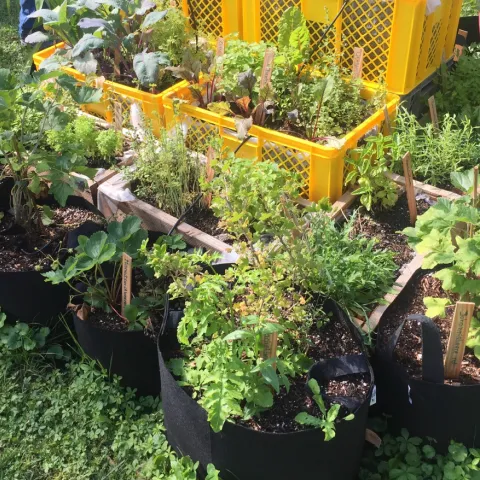
A combination of grow bags and other containers can be used to create a portable edible garden
UC Marin Master Gardeners: Article

June 2024: Growing Edibles in Containers

May 24, 2024
Maximizing the use of space to grow edibles is always a consideration in the Edible Demonstration Garden. Planting veggies in containers has proven to be an excellent way to expand the gardens growing capacity...
View Article
Primary Image
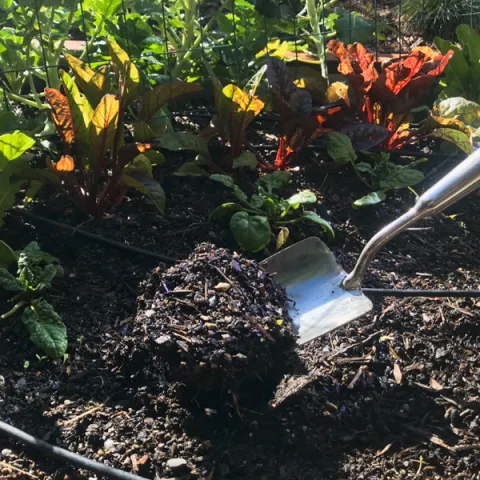
Garden soil can look healthy and still be lacking in nutrients essential for optimum plant growth
UC Marin Master Gardeners: Article

April 2024: The Importance of Soil Testing

March 23, 2024
The soil in the Edible Demo Garden gets a lot of attention. Compost and organic amendments are added regularly. Moisture levels are monitored, and rainwater is supplemented with drip irrigation and hand watering.
View Article

March 2024: Making Soil for Seeds
Primary Image
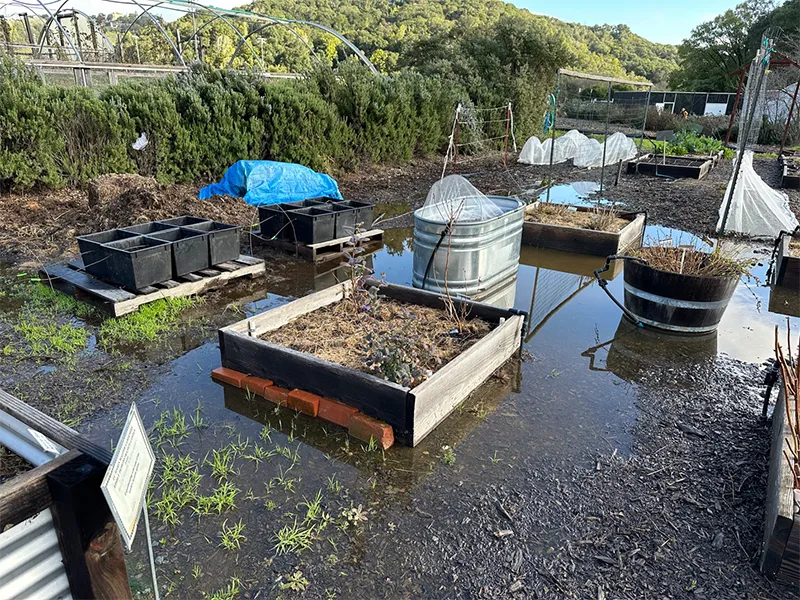
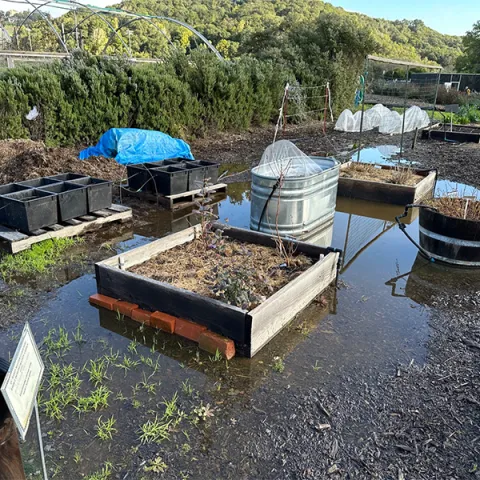
The flooded garden needed time to dry out after the February rains.
Body

Making Soil 1
The rain in February flooded the areas around the garden beds in the Edible Demo Garden. Volunteers were busy digging trenches to redirect the water away from the planted areas and salvaging any crops that were still productive. The wind also created havoc, blowing over compost bins, scattering planting containers, and overturning a picnic table. Once the damage was mitigated, there was little that could be done in the garden itself until the water drained and the soil began to dry. Attempting to work in soggy soil can create future problems due to soil compaction.

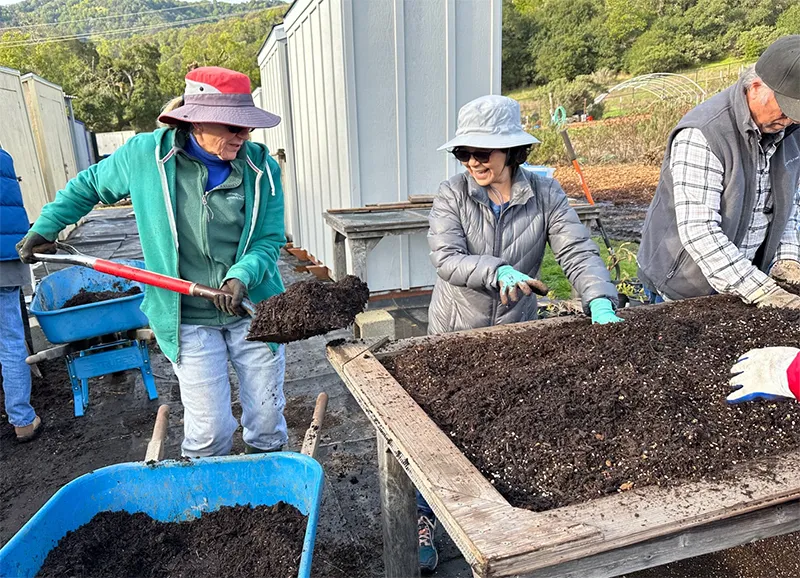
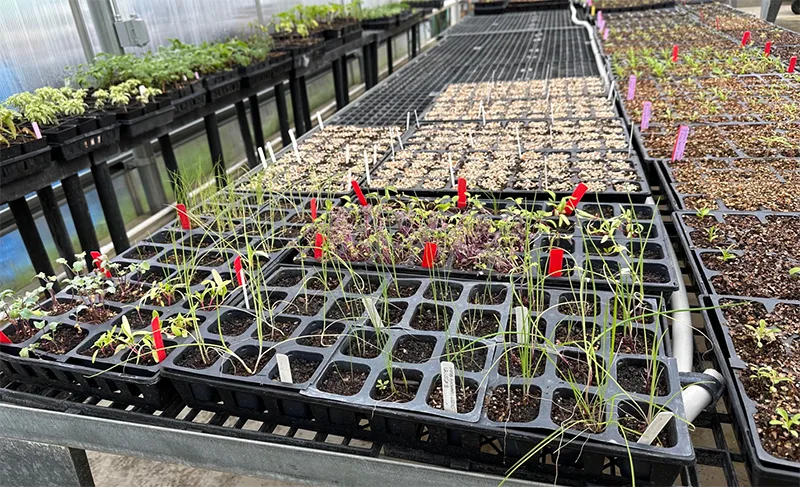
However, the Edible Demo Garden volunteers are not a group to remain idle, especially when it’s time to start seedlings for the spring and summer garden. The organic seeds for the chosen crops had arrived and they needed to be planted in the proper soil mixture and placed in the greenhouse to germinate. So, on a rare dry day, an enthusiastic group of volunteers met to make soil for growing seedlings.

What soil is best for starting seeds?
Making Soil 2
While some plants such as carrots, grow better when they are directly seeded into the garden, many others benefit from earlier starts in more protected conditions and are transplanted later into the garden. In the Edible Demo Garden, any soil used to start plants from seeds must be organic, containing no synthetic materials. Due to the amount of soil needed, it’s much more economical to make the seedling mix rather than purchase a ready-made organic mix. There are many recipes for seeding mixes, but most important is that they are formulated to hold air and moisture and are free of harmful bacteria. There are two soil mix recipes developed for the Indian Valley Organic Farm and Garden and these are also used in the Edible Demo Garden. Labeled “Breakfast Mix” and “Lunch Mix”, they are made by hand and shovel in large quantities. Screen tables set over plastic tarps are used for the sifting.

Breakfast Mix

Making Soil 3
Breakfast mix is used for starting seeds in trays or flats. It is made by sifting together the following materials:

  • 4 wheelbarrows Lunch Mix (20 cubic ft., already sifted)
  • 1 bag Vermiculite (4 cubic ft.) (medium or fine)
  • 1 bag Peat Moss (4 cubic ft.)
Lunch Mix

Lunch mix is used for potting up seedlings prior to transplanting or for bigger plants that will remain in 1–3-gallon containers for several months or more. The recipe for lunch mix is as follows. All the ingredients are mixed thoroughly and sifted together.

  • 6 wheelbarrows sifted compost
  • 1 bag Peat Moss (4 cubic ft.) 
  • 1 bag Vermiculite (4 cubic ft.) (medium or fine)
  • 1 bag Perlite (4 cubic ft.) (medium or fine)
  • 10 lbs or 6 qt Azomite (micronized)
  • 5 lbs or 5 qt Feather Meal (fine)
  • 2.5 lbs or 2 qt Kelp Meal (fine)
What is the purpose of the ingredients in a seedling mix?
Making Soil 4
Any mix must meet the needs of plant roots for air, water, nutrients, and support.

  • Compost – adds structure, provides nutrients, and contains beneficial microbes
  • Peat moss – retains moisture (coconut coir is considered a sustainable alternative)
  • Vermiculite – mined mineral, increases soil porosity and adds calcium and magnesium
  • Perlite – light, volcanic rock, helps to aerate by increasing pore space
  • Azomite – adds trace minerals
  • Feather meal – releases nitrogen
  • Kelp meal – adds nitrogen, potassium, and phosphorus
Ready to plant

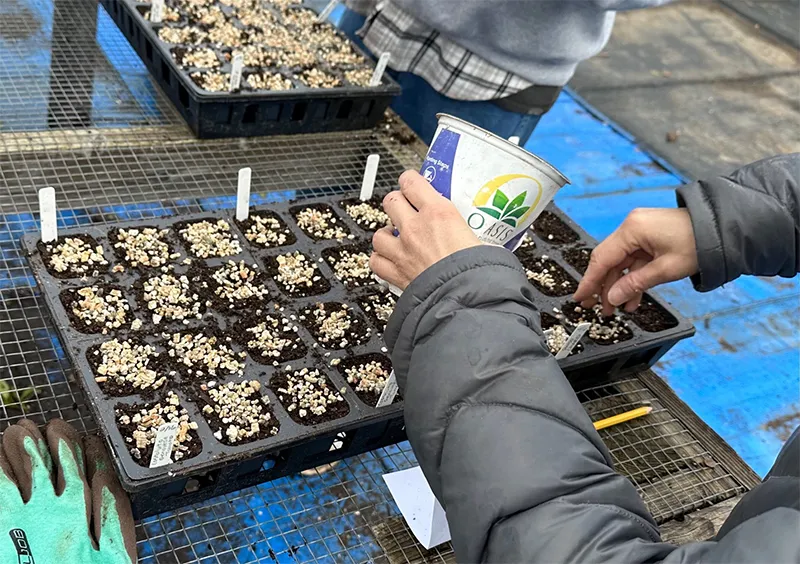
Once the “breakfast mix’ was made, it was used to fill seeding trays and planting could begin. A light topping of vermiculite was added to each cell to maintain the right moisture level.

Click on the following for more information on soil mixes and starting plants from seed: 

Sowing seeds for fun, flavor, and a successful harvest

Build healthy soil

UC Marin Master Gardeners
Primary Image
yeararoundgardening
UC Marin Master Gardeners: Article

February 2024: Rotating Crops

January 27, 2024
While the rains limited some of the garden work during January, it was the perfect time to assess the condition of the garden beds and plan for the spring and summer crops.
View Article
Primary Image
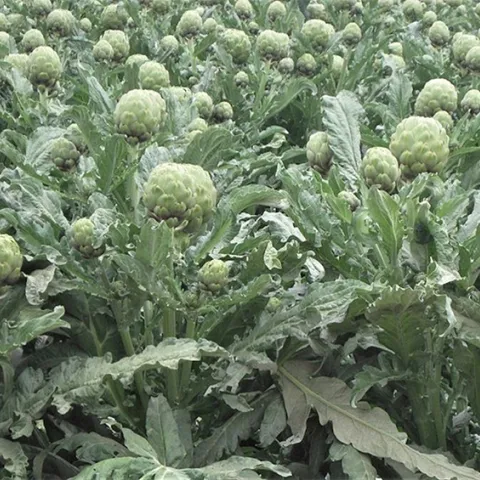
Almost all artichokes sold commercially in the US are grown in California Credit: rawpixel
UC Marin Master Gardeners: Article

January 2024: Planting Time for Artichokes

December 26, 2023
While artichokes may not be on every gardeners cool season vegetable list, they are fun to grow, and December is the right time to plant them for an early spring crop.
View Article
Primary Image
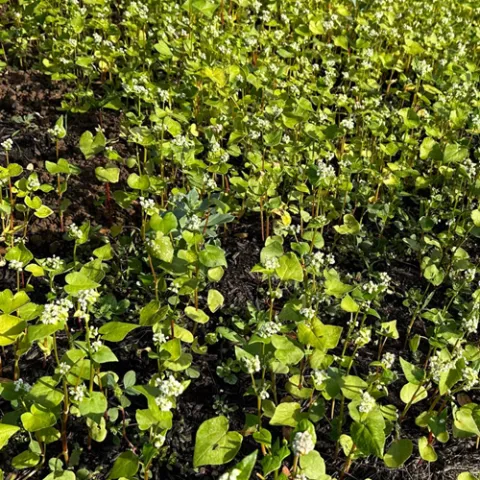
Caption: Buckwheat is a non-legume cover crop that helps to improve the soil in preparation for spring planting.
UC Marin Master Gardeners: Article

December 2023: Caring for the Soil

November 28, 2023
After the fall harvest was over, it was time to clean up and replenish the soil in the Edible Demo Garden. Healthy soil is fundamental to the success of the next seasons crops.
View Article