
By Carolyn Borden, UC Master Gardener of Placer County
Most home gardeners rely on the convenience of nearby nursery centers to select non-native plants from all over the world for planting and to purchase gardening tools, irrigation supplies, fertilizer, and pesticide. Modern gardens often focus on space efficiency, applying techniques such as container gardening or hydroponics, and planting in neat rows to encourage high-yield vegetables.
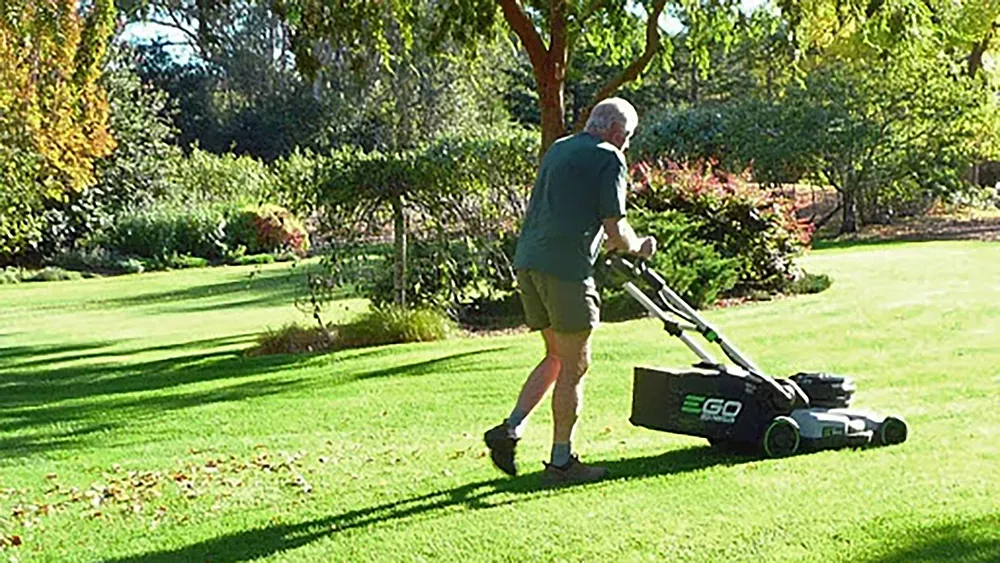
Other gardens include a single-plant area such as a front lawn, which depletes soil nutrients and often requires more fertilization and pest management. Modern home gardeners must work hard to feed and maintain soil, and water frequently.
In contrast, indigenous Native American gardening works with nature to minimize impacts on the supporting ecosystem. Native American gardening techniques focus on biodiversity, soil health, habitat creation, and creating self-sustaining systems. Native plants meet essential needs by providing food, materials for woven baskets, homes and canoes, and medicine.
Let’s look at a side-by-side comparison of these two gardening approaches.
| Technique | Modern Gardening | Indigenous Gardening |
|---|---|---|
| Plant selection | Select a variety of plants not adapted to our climate, possibly with some native plants included. | Select plants adapted to local climate and soil, which reduce water, fertilizer, and pesticide needs. |
| Tilling | Mechanically turning the soil, which disrupts soil structure and can lead to erosion and compaction. | Avoiding tilling which preserves soil structure, microbial life, and moisture retention, often using compost layers. |
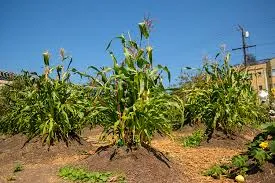
| Planting | Use container gardening or hydroponics for urban settings. | Build mounds for drainage, warmth, and aeration, improving root health. |
| Plant placement | Plant lawns which can deplete soil nutrients and increase pest vulnerability, and large numbers of introduced or non-climate adapted plants with little or no benefit to wildlife. | Grow diverse plants together (e.g., corn, beans, squash) for mutual benefit, nutrient cycling, pest deterrence, and diverse diets, mimicking natural ecosystems. The corn provides a trellis for beans, the beans reduce competition with squash and corn for soil nitrogen, and the squash leaves act as mulch to prevent weeds and retain moisture. |
| Water management | Watering container planters and hydroponics more frequently. | Rely on deep roots of native plants, rainwater harvesting, and mulching, focusing on soil's water-holding capacity. |
| Maintenance | Using advanced tools, chemical fertilizers, pesticides, and intensive irrigation systems. | Low maintenance due to pruning, hand weeding, and "coppicing" (cutting plants back to the ground) to encourage new growth. |
In general, California's indigenous gardening centers on stewardship rather than just cultivation. These practices emphasize long-term sustainability, biodiversity, and the use of native plants for food, medicine, and fiber.
Key benefits of indigenous gardening techniques include:
- Sustainability: Indigenous methods are inherently more sustainable which reduces environmental impact. Indigenous practices involve living within and cultivating the existing landscape.
- Maintenance: Native gardens are lower maintenance long-term; modern gardens often require more inputs (water, chemicals).
- Ecosystem Support: Indigenous gardening actively supports local pollinators and wildlife; conventional lawns offer little support.
- Soil Health: Indigenous practices build soil; tilling in modern gardening degrades soil.
References:
Anderson, M. Kat. Tending the Wild - Native American Knowledge and the Management of California’s Natural Resources. University of California Press, 2005.
Gliessman, Stephen R. Polyculture Cropping Has Advantages. July 1, 1982. University of California. https://my.ucanr.edu/repository/fileaccess.cfm?article=61827&p=ESRFUI
Sweetser, Robin. 10 Traditional Native American Gardening Techniques. Almanac. June 12, 2025. https://www.almanac.com/10-traditional-native-american-gardening-techniques