
By Carol Koenig, UC Master Gardener of Placer County
From The Curious Gardener, Winter 2022
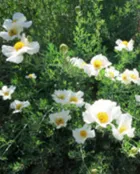
A moon garden is a garden meant to be enjoyed by the light of the moon. It is a space that offers you a respite from the hustle of the daytime world and lets you enjoy the shapes, textures, and colors revealed by moonlight. It can be a bit of a magical place, enveloping you in sights and scents not revealed under the harsh light of day.
To get started, take some time to analyze your surroundings. Select a spot that is washed with the light of a full moon. Track moonlight throughout your garden during the time when you’ll most likely be spending time there. Look at where shadows are cast by elements such as trees, shrubs, or walls. Make your garden site easily accessible at night. Think about outside influences such as road noise or bright lighting that might cause disruption.
Your garden might be specifically designed for a certain place in your landscape, or it could be a series of pots thoughtfully grouped together. Even an apartment balcony could capture moonlight with a few strategically placed plants. Do you want to include a bench where you can sit and calmly reflect on your day? Or you might want to have a small table where you can set a glass of wine. Maybe a trellis is called for so you can have a living wall of color and fragrance. Once you have decided on a location, it is time to think about plants. What you are looking for are plants that reflect the moon with a glowing light, provide a relaxing scent, and have movement. Trees, shrubs, grasses, perennials, and annuals can all be included in your garden. Be sure to consider sunlight and water availability as you choose your plants.

Select white or light-colored flowers in pastel shades. To keep your garden interesting throughout the growing season, use plants that bloom during different times of the year. Some good examples are Shasta daisies (Leucanthemum superbum), sweet alyssum (Lobularia maritima), white roses (Rosa), white daffodils (Narcissus), Bacopa, Hydrangea, spider flowers (Cleome), bleeding hearts (Dicentra), creeping phlox (Phlox stolonifera), azaleas (Rhododendron sp.), and yarrow (Achillea millefolium). Also include plants with silver or gray foliage like Hosta and lamb’s ears (Stachys byzantina).
Unique additions to your moon garden are night blooming plants that serve a dual purpose. Not only do they add a dimension of surprise to the garden, but they are attractive to night pollinators like certain bats and moths. After drawing in their night-time visitors, many of these night-blooming wonders close their petals come dawn. Night blooming flowers such as four o’clocks (Mirabilis jalapa), moonflowers (Ipomoea alba), evening primrose (Oenothera caespitosa), and angel’s trumpet (Brugmansia) may be overlooked during the day but become luminous under the light of the moon.
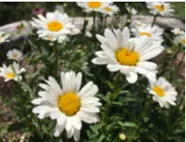
A relaxing moon garden will also give off a fragrance that is soothing to the soul. You may consider some of the following plants for their heady aromas: night-blooming jessamine (Cestrum nocturnum), mock orange (Philadelphus), evening scented stock (Matthiola longipetala), flowering tobacco (Nicotiana), and lilac (Syringa).
When the moon is not full, reflective elements such as a gazing ball, tiny string lights, light-colored rock pathways or hardscape will add a soft glowing quality to your garden. Movement from the rustling seed heads and stems of grasses can provide a calming effect.
Let your mind wander and create a place that speaks to you. Develop a garden that encourages you to bask in the moonlight and enjoy an open-air space designed for relaxation at the end of the day.
References
• Schwind, Kim. Conjure Up A Moon Garden. The Real Dirt Blog written by UC Master Gardeners of Butte County. Oct. 14, 2019. https://ucanr.edu/blogs/blogcore/postdetail.cfm?postnum=31384