UC ANR is committed to providing an accessible and inclusive web experience for all users. If you encounter an accessibility barrier or need content in an alternative or remediated accessible format, please contact anraccessibility@ucanr.edu.
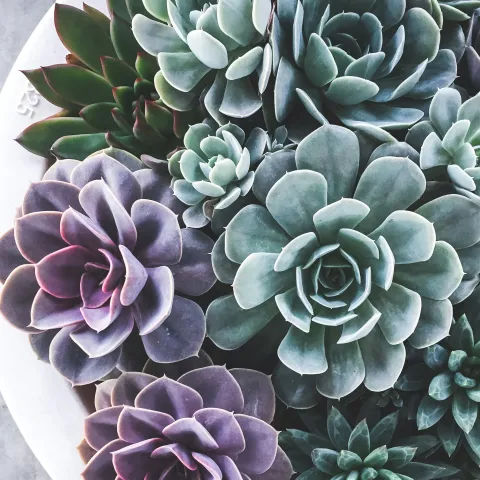
Visit Falkirk Demonstration Garden in San Rafael to see a wonderful display of succulents that thrive in Marin. Succulents, those gorgeous plants with thick, fleshy stems and leaves that collect and store water, can be grown in the ground or in containers.
Citrus are attractive, long-lived evergreen plants that require sun and warmth to produce flavorful fruits. Choose the sunniest, warmest location available. A southwestern exposure or a location that receives reflective warmth (from a surface such as a driveway, patio, wall, or pool) would be excellent.
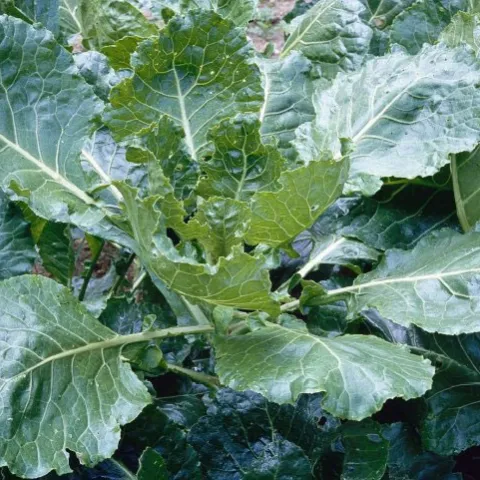
ollards are a cool season vegetable grown for their leaves. They are related to cabbage but do not form a tight head. Collards tolerate a wide range of warm to cold temperatures and, like many members of the cabbage family, will taste sweeter after a light frost.
Lilies are amongst the most popular bulbs. Julia Kadel, Unsplash If you love showy flowers, bulbs are for you. Bulbs, corms, and tubers store the food that keeps the plant alive during dormant periods.
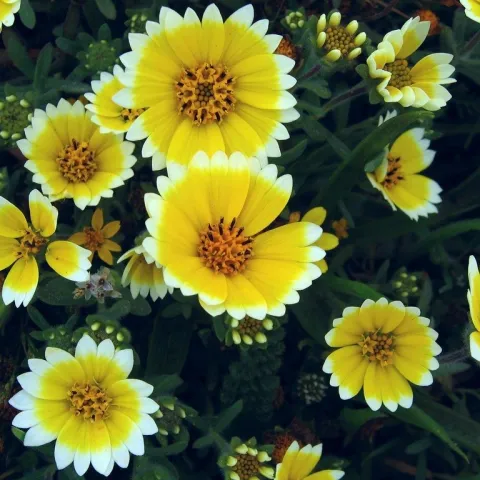
Spring Garden Fair native plants descriptions. California native plants have evolved to be well adapted to our dry summer/wet winter climate, and they support native birds and insects. They are generally water-wise choices for landscaping.
Correct awareness of our consumption and use of water are the key factors that affect water use behavior. We can efficiently provide water to our plants in ways that allow us to have a beautiful garden and landscape while minimizing our use of water. Managing water use for plants changes throughout the year…
Daylilies. Laura Ockel, Unsplash Many perennials are relatively carefree during the growing season. Whether gracing a border or planted as a cutting garden, they bloom their hearts out until temperatures turn cold. This is when perennials need a little more attention.
Texas A&M University During the winter months, bare root (aka no soil) ornamental trees, shrubs and roses, vines, and many edibles are available at nurseries. Bare root plants are dug from the field when dormant and separated from the soil.
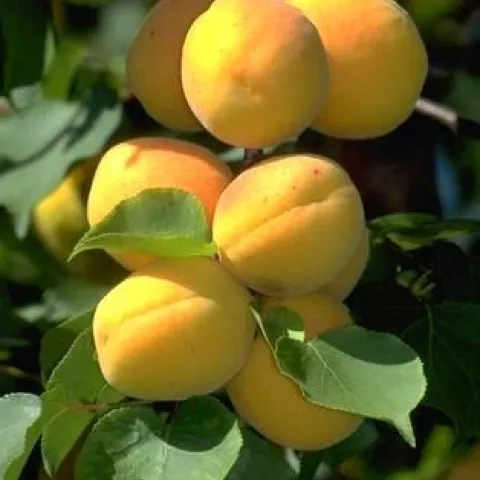
When to plant: January to early February
Harvest window: June to July, depending on variety
Fertilization: Nitrogen in spring, additional applications based on tree age, health, and soil quality
Prune in summer (after harvest through early September)