UC ANR is committed to providing an accessible and inclusive web experience for all users. If you encounter an accessibility barrier or need content in an alternative or remediated accessible format, please contact anraccessibility@ucanr.edu.
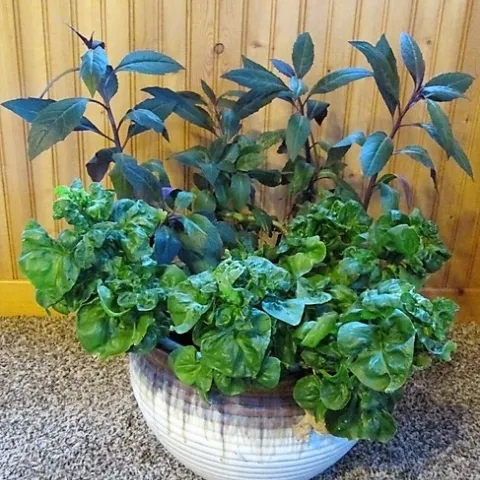
In the constant search for green leafy vegetables that will do well in a hot climate I stumbled upon Brazilian Spinach (Alternanthera sissoo) and Okinawa Spinach (Gynura crepioides), and although a tropical plants I decided to give them a try in our dry high desert climate.
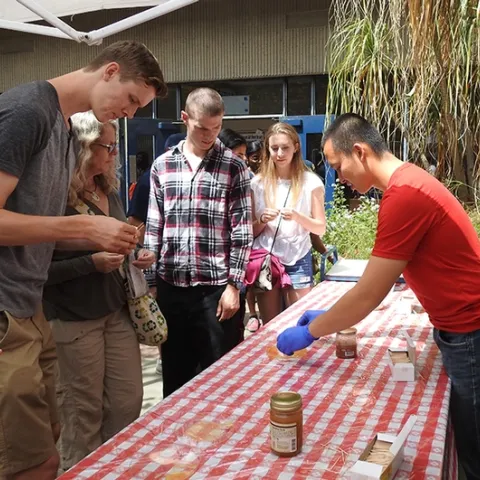
Yes, you do eat insects! Maybe not deliberately, as in those who engage in entomophagy, the technical term for eating insects. Think of chocolate chirp cookies! Think of cricket flour! Think of making a meal out of mealworms.
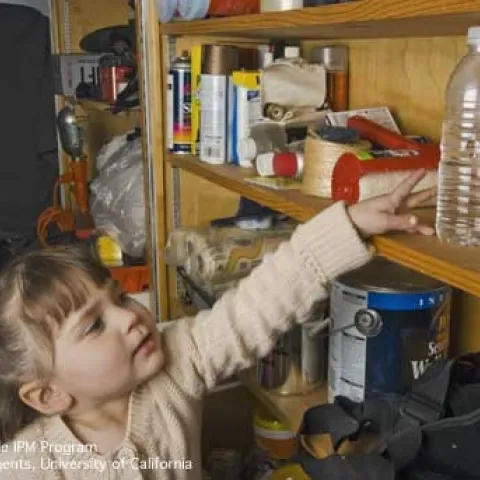
March 18-24 was National Poison Prevention Week. While our blog post may be tardy, it's never too late to raise awareness about the risks associated with using pesticides and how to protect yourself and your family from accidental poisoning.
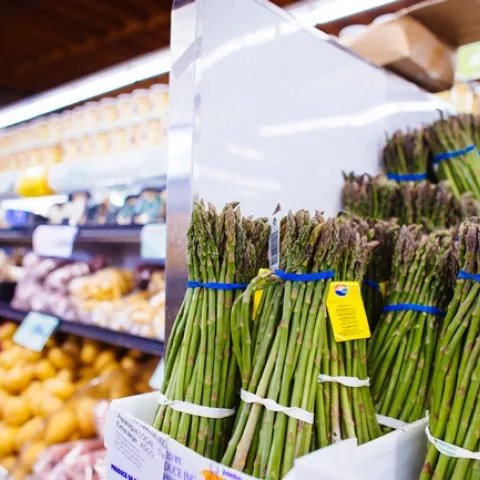
Shoppers purchasing fruits and vegetables in stores located in low-income neighborhoods in California may pay more for those fruits and vegetables than shoppers in other neighborhoods, according to a study that examined prices in a large sample of stores throughout the state.
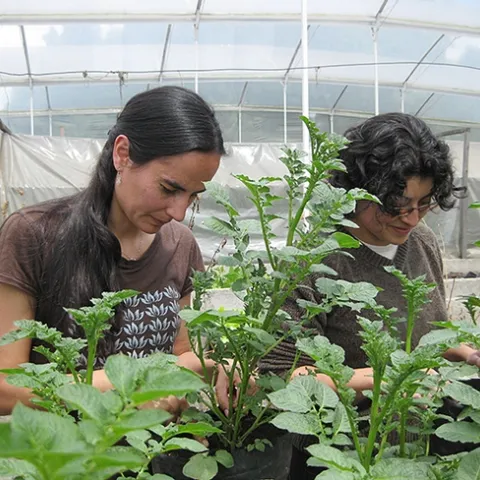
Let's consider plant-insect interactions in agro-ecosystems. That's what Katja Poveda, assistant professor of entomology, Cornell University, Ithaca, N.Y., does.
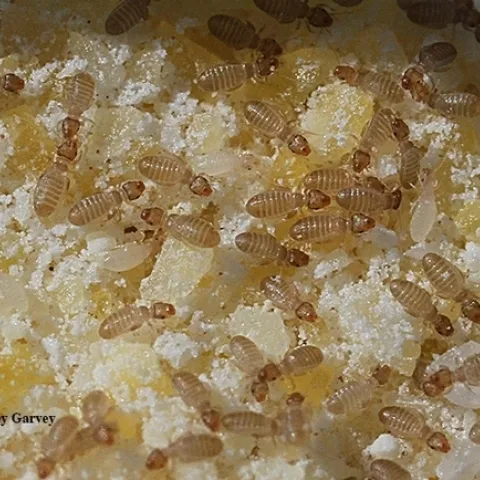
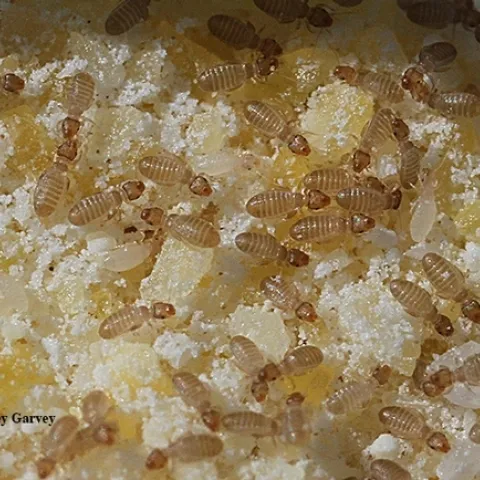
You're thinking about making Grandma's Southern Cornbread. You head for your pantry. You remember that six months ago you purchased a bag of cornmeal from a local supermarket and that you immediately emptied the contents into a glass jar with a tight-fitting lid.
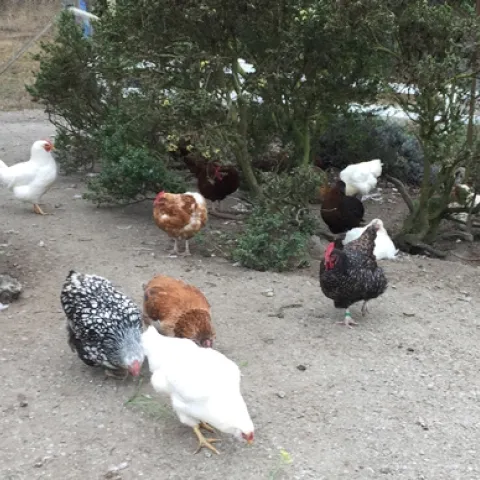
Advice for the Backyard Gardener from the Help Desk of the UC Master Gardener Program of Contra Costa County Californians who raise poultry outdoors are invited to get their eggs tested for contaminants.
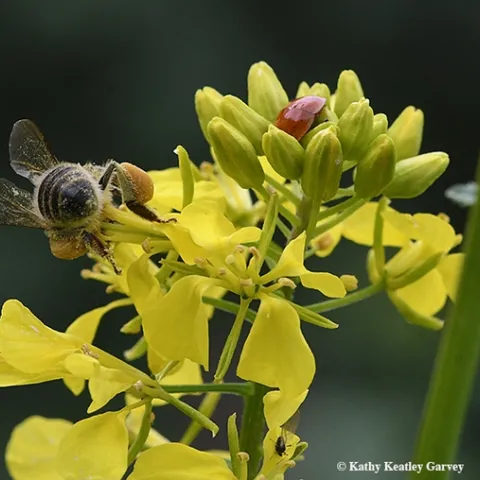
A little drama in the mustard patch... A honey bee is foraging head-first in the mustard. She's collecting nectar and pollen. She does not see the lady beetle, aka ladybug, thrust head-first above her. The honey bee is dusted with yellow pollen. The ladybug, not so much. The bee moves closer.