UC ANR is committed to providing an accessible and inclusive web experience for all users. If you encounter an accessibility barrier or need content in an alternative or remediated accessible format, please contact anraccessibility@ucanr.edu.
Planting in containers opens up a whole new range of possibilities whether growing plants indoors or out, ornamental, or edible, from tiny succulents or large shrubs.
You can get a jump start on new plants by growing them from seeds indoors. This is a good way to grow edible plants, because there are many more varieties available from seed. Learn more about growing edibles from seed.
Bulbs are great to plant then forget about. Often planted in fall (some in spring), theyre not visible during winter. Come spring or summer, depending on the bulb, voila! A beautiful plant! Theres a wide variety of types of things called bulbs, including rhizomes, tubers, corms, and true bulbs.
Texas A&M University During the winter months, bare root (aka no soil) ornamental trees, shrubs and roses, vines, and many edibles are available at nurseries. Bare root plants are dug from the field when dormant and separated from the soil.
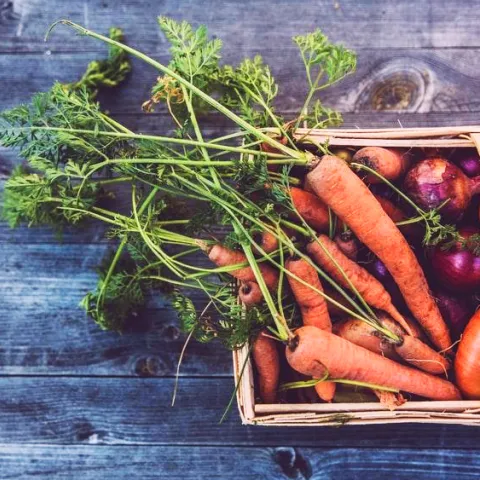
Growing some of your own food is as healthy as it is satisfying. Homegrown crops taste better and come in a much wider variety than what is found in grocery store aisles. Growing your own also allows you to control the environment so you're assured what you're eating is truly organic.
Growing a successful edible garden takes planning, correct timing, and a little know-how. But once you have it down it is such a pleasure to eat homegrown produce fresh from the garden. Here's what you need to get started.
Be sure to grow what you and your family like to eat. Marie Narlock It's possible to eat fresh from the garden all year long in Marin. Doing so takes a fair amount of planning. Here's how to determine which crops will suit your climate, space, and palate.
Few areas of the garden benefit from detailed preparation like the edible garden. The two most important components are putting the infrastructure in place (beds and irrigation) and using healthy soil.
Edible gardens are a world unto themselves in the landscape. There are many strategies unique to vegetable gardens that extend growing times, keep the garden healthy, and maximize crop yields. Here's a cheat sheet of common edible garden lingo and strategies.
Monitor the garden for pests and diseases as you maintain it. Photo: Courtesy UC Regents Once the fruit trees, berries, herbs and vegetables are planted, the magic begins. Even seasoned gardeners marvel at how the seed becomes the plant that produces a vegetable that appears on a plate.