A Natural Solution for California's Herds: African Catfish Peptides

California's cattle producers and agricultural communities are all too familiar with the rising challenge of antibiotic resistance, making common bacterial infections harder to treat in livestock. But imagine a future where we could tackle these infections with a natural, powerful alternative. Our research points to just that: antimicrobial peptides (AMPs) found in African catfish.

We're really excited about these peptides because African catfish thrive in pathogen-rich freshwater, naturally producing these robust immune compounds in their skin mucus as a defense. This natural origin makes them highly appealing alternatives to synthetic drugs.

Predicted Safety and Potent Action

One of the most compelling aspects of these AMPs is their predicted safety for mammals. Our initial computer analyses suggest that various catfish AMPs are generally recognized as safe (GRAS). We predict they'll be absorbed in the human intestine without causing liver, brain, or heart toxicity. Furthermore, lab tests on a promising peptide, NACAP-II, confirmed it was non-hemolytic, meaning it didn't damage rabbit red blood cells—a strong indicator of its potential safety for mammalian cells.

Beyond safety, these peptides demonstrate effectiveness against problematic bacteria. One study revealed NACAP-II's strong activity against Extended-Spectrum Beta-Lactamase (ESBL)-producing Escherichia coli—a critical concern for both animal and human health due to its resistance to many common antibiotics. Another peptide, ACAP-IV, also showed antibacterial activity against E. coli and Staphylococcus aureus. We believe these AMPs work by directly disrupting bacterial cell membranes, a mechanism that makes it harder for bacteria to develop resistance compared to how they resist traditional antibiotics.
Event Primary Image
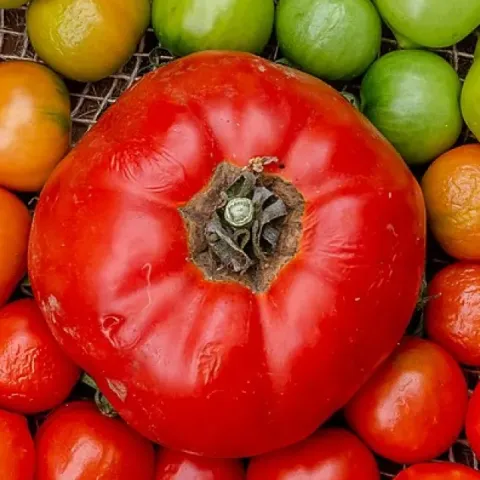
growing tomatoes
UC Master Gardeners of Santa Clara County: Event

Growing Tomatoes, from Seed Saving to Harvest - Santa Clara

Event Date
Mar 14, 2026

The talk will cover care of plants from seedlings to mature plants, how/when/where to plant, growing in the ground vs containers, staking/cages/watering, and how to determine when tomatoes are ripe. You will also learn about the different types of tomatoes and determinate vs indeterminate. There will also be…
UC Master Gardeners of Santa Clara County
View Event
UC Master Gardeners of Tulare and Kings County: Article

Native Plants in the Home Garden

February 14, 2026
By Anne Skinner, UC Master Gardener of Tulare/Kings County
 The variety of native plants in California makes them an excellent choice for a drought-tolerant garden.  Most of them are less prone to pest and disease problems and are pollinator-friendly.  There are plants for each micro-climate here in our area.  Just like us, they have an…
View Article
Primary Image
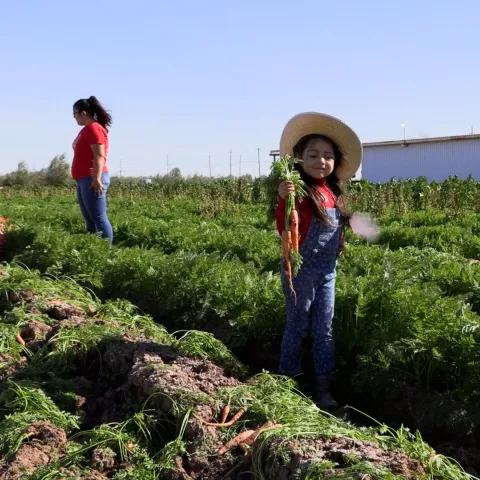
Niños y una mujer recogiendo zanahorias en un campo durante FarmSmart evento
Nuestra Comunidad: Article

Farm Smart: 25 años conectando ciencia, agricultura y comunidad en el Valle Imperial

February 14, 2026
By Ricardo A Vela
Valley de Imperial, California — Cuando Mariana González Castro tenía 5 años, se encontraba entre largas filas de zanahorias y otros cultivos de hortalizas en el Centro de Investigación y Extensión del Desierto de Agricultura y Recursos Naturales de la Universidad de California, en Holtville, California,…
View Article
Primary Image
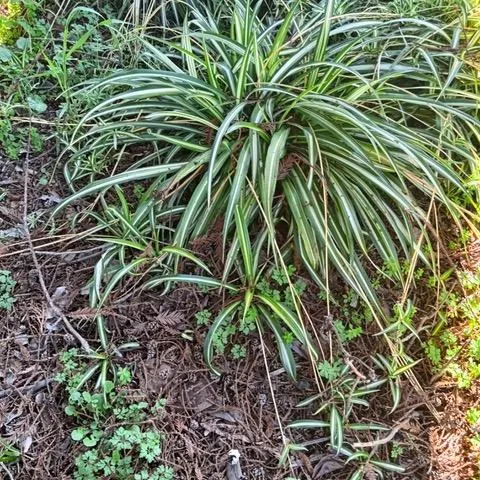
Spider plant in a garden
Napa Master Gardener Column: Article

Spider Plants Thrive in Napa County

February 14, 2026
By Michael Lecours
By Penny Pawl, UC Master Gardener of Napa County.  Many of us have the variegated spider plant as a houseplant.  It is fascinating how this plant produces new plants and small white flowers at the end of a long stem.  Many years ago, a close friend planted her spider plant outdoors and…
View Article
Primary Image
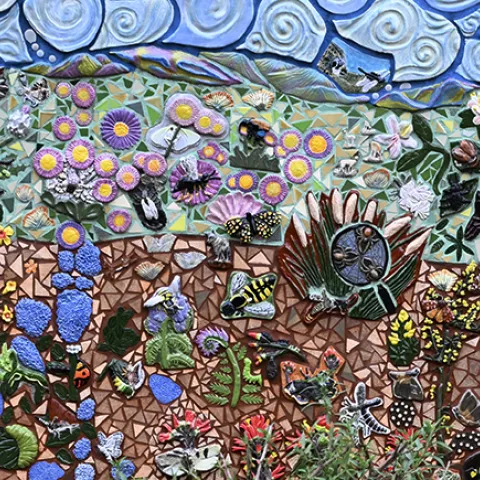
The first of two murals installed by UC Davis entomologists Emily Meineke and Diane Ullman by the Plant Nursery, UC Davis Arboretum and Public Garden.
Bug Squad: Article

Grand Opening: Unveiling Two Incredible Murals at UC Davis

February 13, 2026
By Kathy Keatley Garvey
 There's a new addition to the 15th Annual UC Davis Biodiversity Museum Day, which showcases 12 museums or collections on Saturday, Feb. 21.What is BioDiv Day? It's a free and family friendly event  known as "Super Science Day," a day you can view the displays (within varying times from 9 a.m. to 5…
View Article
Event Primary Image
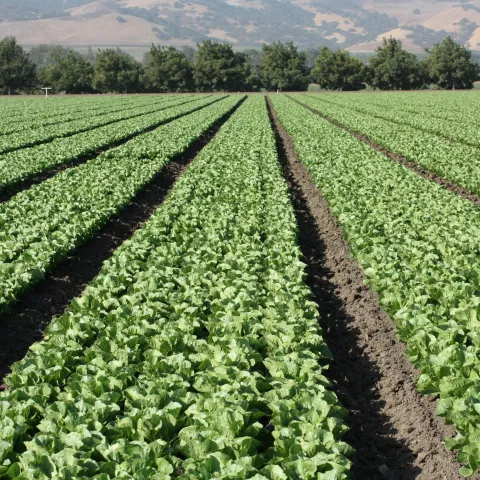
Field with rows of lettuce. Orchard trees and hills in the distance.
UC Ag Experts Talk Webinar Series: Event

Webinar: Lettuce Production and Disease Management in the Salinas Valley

Event Date
Apr 15, 2026

This webinar is part of the UC Ag Experts Talk series. Yu-Chen Wang, Plant Pathology Advisor with University of California Cooperative Extension, Monterey, Santa Cruz, and San Benito Counties, will provide an overview of the current knowledge and management of major lettuce diseases, including Impatiens…
UC Ag Experts Talk Webinar Series
View Event
San Joaquin County 4-H: Page

Contact Us

Contact UsHow to Reach Us4-H Youth Development Program of San Joaquin CountyCabral Agricultural Center  2101 East Earhart Avenue, Suite 200  Stockton, California 95206  Phone 209-953-6106  Fax Number 209-953-6128email sanjoaquin4h@ucanr.edu Office hours are Monday through Friday from…
View Page