A Natural Solution for California's Herds: African Catfish Peptides

California's cattle producers and agricultural communities are all too familiar with the rising challenge of antibiotic resistance, making common bacterial infections harder to treat in livestock. But imagine a future where we could tackle these infections with a natural, powerful alternative. Our research points to just that: antimicrobial peptides (AMPs) found in African catfish.

We're really excited about these peptides because African catfish thrive in pathogen-rich freshwater, naturally producing these robust immune compounds in their skin mucus as a defense. This natural origin makes them highly appealing alternatives to synthetic drugs.

Predicted Safety and Potent Action

One of the most compelling aspects of these AMPs is their predicted safety for mammals. Our initial computer analyses suggest that various catfish AMPs are generally recognized as safe (GRAS). We predict they'll be absorbed in the human intestine without causing liver, brain, or heart toxicity. Furthermore, lab tests on a promising peptide, NACAP-II, confirmed it was non-hemolytic, meaning it didn't damage rabbit red blood cells—a strong indicator of its potential safety for mammalian cells.

Beyond safety, these peptides demonstrate effectiveness against problematic bacteria. One study revealed NACAP-II's strong activity against Extended-Spectrum Beta-Lactamase (ESBL)-producing Escherichia coli—a critical concern for both animal and human health due to its resistance to many common antibiotics. Another peptide, ACAP-IV, also showed antibacterial activity against E. coli and Staphylococcus aureus. We believe these AMPs work by directly disrupting bacterial cell membranes, a mechanism that makes it harder for bacteria to develop resistance compared to how they resist traditional antibiotics.

Monterey County: Article

4-H Leader's Council Meeting November 19, 2024

November 12, 2024
Dear members of the Monterey County 4-H Leaders Council, On Tuesday, November 19th, the 4-H Leaders Council will hold its monthly meeting at 7pm. The location will be in the large Conference room, 1432 Abbott Street.
View Article
Primary Image
Samuel Davidson Laughlin, shown here at his home in Castle Rock, Wash., contracted malaria when he was a color bearer for the Union Army during the Siege of Vicksburg.
Bug Squad: Article

Mosquitoes, Malaria and the Civil War

November 11, 2024
By Kathy Keatley Garvey
Not many Americans think about mosquitoes and malaria on Nov. 11, Veterans' Day. But they should. The mosquito played a major adversarial role in our nation's Civil War. Some 30,000 soldiers died of malaria, and more than half of the 2.
View Article
Primary Image
IMG 2031
Topics in Subtropics: Article

Wild Fire and Soil

November 11, 2024
By Ben A Faber
Low-severity wildland fires and prescribed burns have long been presumed by scientists and resource managers to be harmless to soils, but this may not be the case, new research shows.
View Article
Primary Image
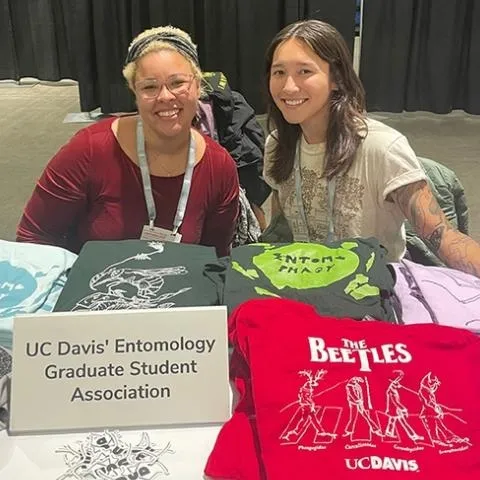
The UC Davis Entomology Graduate Student Association (EGSA) will be selling its member-designed t-shirts at the ESA meeting in Phoenix. Iris Quayle (left) of the Jason Bond lab, and Mia Lippey of the Meineke lab, will be giving presentations and also staffing the EGSA table. (Photo by Kathy Keatley Garvey)
Bug Squad: Article

Why Phoenix Is the Place to Be Nov. 10-13

November 8, 2024
By Kathy Keatley Garvey
Phoenix is the place to be Nov. 10-13. That's the site of the Entomological Society of America's annual meeting, with thousands of entomologists descending upon the city and the Phoenix Convention Center (PCC). And UC Davis entomologists will be an important part of it.
View Article
Primary Image
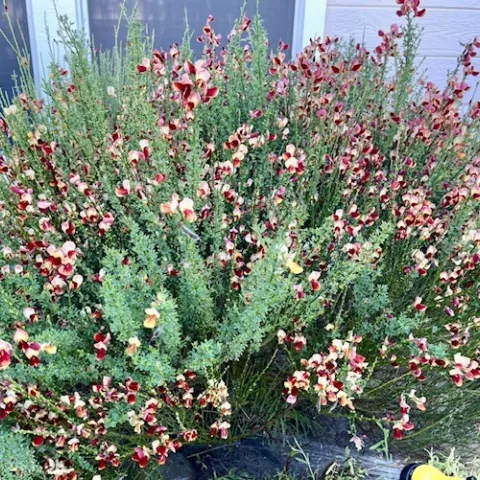
Our bush above was approximately 6 feet wide by 3.5 feet tall. photo by Cindy Yee
Under the Solano Sun: Article

Goodbye to My Gorgeous Invasive Plant

November 8, 2024
We had this innocent-looking large bush in our front yard for probably 20 years. It had drip irrigation, but maybe that wasn't enough because as our area became drier and hotter with climate change, the bush stopped flowering.
View Article
Primary Image
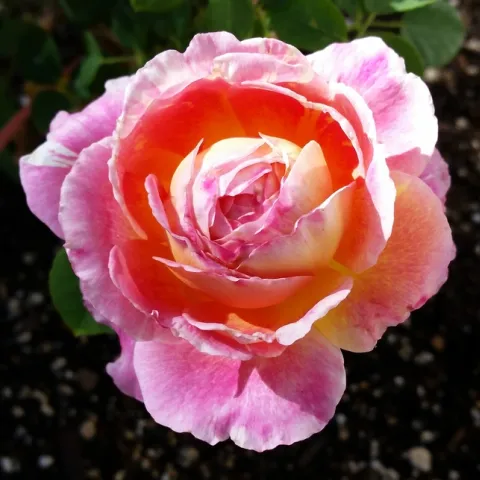
pink yellow cream striped rose
Fresno Gardening Green: Article

Rosie’s Corner: If you don't have a yard, grow roses in a pot

November 8, 2024
It's a time of transition for the weather and daylight (back to standard time. Sigh, I like the later sunsets). Mother Nature is giving us a break from the awful heat we had this summer. However, forecasters predict a warmer and drier month than normal.
View Article
Primary Image
Harvest fall foliage and vegetables to make an autumn centerpiece. (Photo: PickPic)
Fresno Gardening Green: Article

This week in the garden: Nov. 8 - 14

November 8, 2024
Create a visual feast with pomegranates, miniature pumpkins, Indian corn, gourds, fall flowers, and herbs from your garden. Tasks The tuberous roots of sweet potatoes will be ruined if the foliage is damaged by frost. Harvest before freezing temperatures kill the vines. Use fall leaves as mulch.
View Article
Primary Image
Milkweed seeds. Laura Lukes
The Real Dirt: Article

Collecting Seeds to Create Native Plant Spaces for Wildlife

November 8, 2024
The Nature Conservancy (TNC) excels at native plant restoration and ecosystem stewardship on a landscape-wide scale. By creating, extending, and conserving native habitat, they provide permanent and migratory wildlife species the spaces they need in order to thrive.
View Article
Primary Image
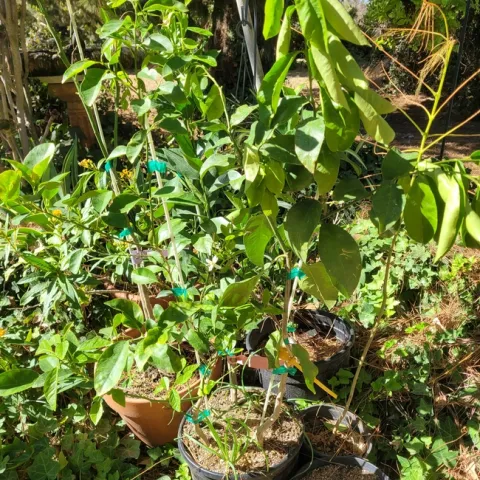
photo by Loralei Dewe
Under the Solano Sun: Article

Fall Planting #2

November 7, 2024
When I decided to pursue my project of growing 3 citrus trees in 1 pot, I did a lot of research on high-density planting, so I would be successful. Here are some of the important points I found: 1) Plant trees of the same species.
View Article
Primary Image
Postdoctoral research scientist James Starrett, of the arachnology lab of Professor Jason Bond, director of the Bohart Museum, gets ready to eat a crickette. (Photo by Kathy Keatley Garvey)
Bug Squad: Article

Pass the Crickets, Please!

November 7, 2024
By Kathy Keatley Garvey
"Crickets, anyone? Free sample!" Tabatha Yang, education and outreach coordinator for the Bohart Museum of Entomology, sits at a table at a Bohart open house and points to a line of small paper cups, each containing three "Crickettes.
View Article