A Natural Solution for California's Herds: African Catfish Peptides

California's cattle producers and agricultural communities are all too familiar with the rising challenge of antibiotic resistance, making common bacterial infections harder to treat in livestock. But imagine a future where we could tackle these infections with a natural, powerful alternative. Our research points to just that: antimicrobial peptides (AMPs) found in African catfish.

We're really excited about these peptides because African catfish thrive in pathogen-rich freshwater, naturally producing these robust immune compounds in their skin mucus as a defense. This natural origin makes them highly appealing alternatives to synthetic drugs.

Predicted Safety and Potent Action

One of the most compelling aspects of these AMPs is their predicted safety for mammals. Our initial computer analyses suggest that various catfish AMPs are generally recognized as safe (GRAS). We predict they'll be absorbed in the human intestine without causing liver, brain, or heart toxicity. Furthermore, lab tests on a promising peptide, NACAP-II, confirmed it was non-hemolytic, meaning it didn't damage rabbit red blood cells—a strong indicator of its potential safety for mammalian cells.

Beyond safety, these peptides demonstrate effectiveness against problematic bacteria. One study revealed NACAP-II's strong activity against Extended-Spectrum Beta-Lactamase (ESBL)-producing Escherichia coli—a critical concern for both animal and human health due to its resistance to many common antibiotics. Another peptide, ACAP-IV, also showed antibacterial activity against E. coli and Staphylococcus aureus. We believe these AMPs work by directly disrupting bacterial cell membranes, a mechanism that makes it harder for bacteria to develop resistance compared to how they resist traditional antibiotics.

Primary Image
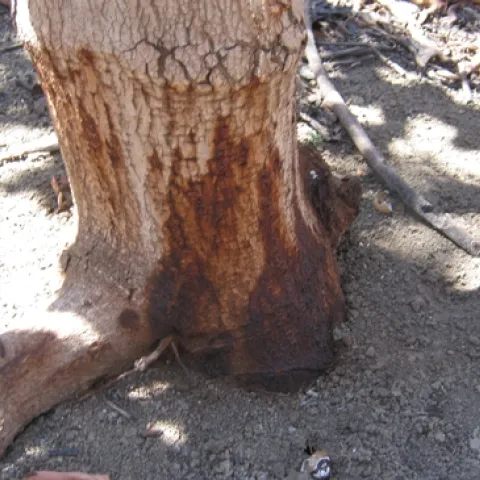
avocado burned 2 years later 3
Topics in Subtropics: Article

Care of Fire or Frost Damaged Trees

November 7, 2024
By Ben A Faber
Recent and recurring fires are a problem where both citrus and avocado are grown in California.The winter forecast is out from NOAA and it looks like there might be frost in our future. What do you do if it hits your trees? https://www.noaa.
View Article
Primary Image
IMG 2040
Topics in Subtropics: Article

Fire Information for Tree Crop Growers

November 7, 2024
By Ben A Faber
The following is a compendium of blogs for growers to help with the recent fire damage in the Ventura area: Tree and Vine Loss Calculators Spread sheets to help you calculate loss Calculate Cost of Fire Damage to Avocado and Citrus Trees Information from Ben Faber, Soils and Water, Avocado and Minor...
View Article
ANR Contracts & Grants Updates: Article

Research Program to Address H5N1 Risk to Swine

November 6, 2024
By Kendra T Rose
Dear Colleagues, The Swine Health Information Center (SHIC), in collaboration with the Foundation for Food & Agriculture Research (FFAR) and the Pork Checkoff, has launched a $4 million research initiative to strengthen the U.S.
View Article
Nutrition Policy Institute News: Article

NPI presents on solid waste reduction achieved by schools transitioning to reusables in school meals at the Green California Schools and Higher Education Summit

November 6, 2024
By Danielle Lee
Nutrition Policy Institute researcher, Celeste Felix, will present evaluation findings showing reductions in solid waste when a large, urban California school district transitioned from reheated pre-packaged school meals served with single-use disposables to freshly prepared meals served with reusab...
View Article
Primary Image
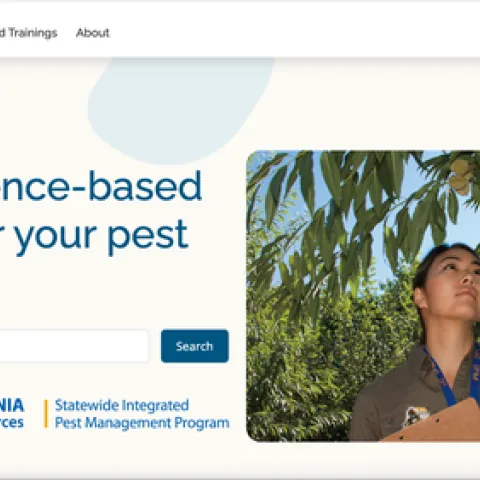
Figure 2. New design of UC IPM’s home page.
Pests in the Urban Landscape: Article

New Look for UC IPM Web Pages

November 6, 2024
By Karey Windbiel-Rojas
Change is in the air. Weather, daylight savings, politics, holiday decorations, and yes, websites. You may have noticed the UC Statewide IPM Program's website is undergoing some style changes.
View Article
Primary Image
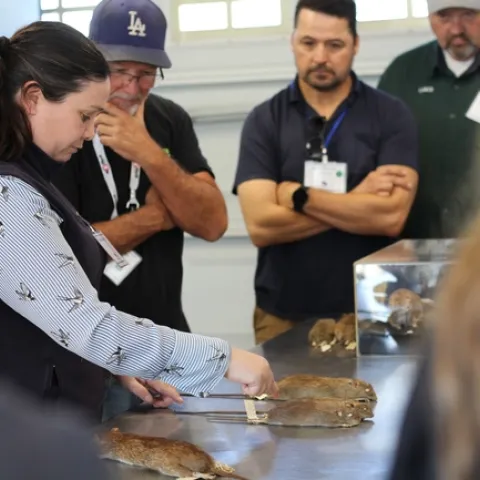
Niamh Quinn teaches participants about physical characteristics that can help pest management professionals identify the different rodent species. All photos by Saoimanu Sope.
ANR Employee News: Article

Pest managers learn to do the ‘rat thing’ at Rodent Academy

November 6, 2024
By Saoimanu Sope
Tail length, fur color, eye size, ear shape and nose structure are some of the characteristics highlighted during the Rodent Speed Dating ID activity at West Coast Rodent Academy (WCRA). If you thought you would find rats at WCRA, you wouldn't be wrong.
View Article